


Trump, Xi And Putin Hold Historic Three-Way Summit (Diplomacy)
Japan’s Prime Minister Isolated At China Summit (Asia)
US Envoy Says Russia Open To Ukraine Security Guarantees (Geopolitics)
Putin Invites Europe To Moscow But Rejects Ceasefire (Russia)
Houthi Missile Strike Damages Riyadh’s Tallest Tower (Middle East)
Trump Delays Iran Strike Decision Until 2027 (Middle East)
UN Court Rules Myanmar Committed Rohingya Genocide (Asia)
UN Faces Leadership Vacuum As Succession Talks Stall (World)
IMF Warns Global Public Debt Nears 100% Of GDP (World)
IEA Warns Datacentre Emissions Could Rise 70% By 2030 (Climate)
A succinct daily briefing delivered each weekday to help you stay on top of the stories shaping the world.

US President Donald Trump, Chinese President Xi Jinping and Russian President Vladimir Putin held their first trilateral summit in Shenzhen, agreeing on broad principles but making little progress on major international conflicts. Their joint peace declaration called for United Nations reform, increased oil supplies and reduced nuclear risks, while omitting Russia’s war in Ukraine and the US-led war in Iran.
The three leaders also supported immunity from prosecution for state officials, opposing what they described as jurisdictional abuse by the International Criminal Court. The agreement offered no details on proposed UN reforms, while China’s position on Taiwan was left unaddressed.
The summit strengthened Xi’s diplomatic standing as host and gave Putin an opportunity to demonstrate Russia’s status alongside the other powers. Trump said Iran and Ukraine were discussed but secured no apparent commitments from either leader to help resolve the conflicts.
Sources: Politico, Associated Press

Japanese Prime Minister Sanae Takaichi received a notably restrained welcome at the APEC summit in Shenzhen, reflecting strained relations with China following her comments on Taiwan. Unlike several other visiting leaders, she was greeted without dancers or musical performances, while her interactions with Chinese President Xi Jinping were limited to brief handshakes and exchanges of greetings.
Relations deteriorated after Takaichi suggested last year that a Chinese attack on Taiwan could constitute an existential crisis for Japan, potentially justifying military intervention. She held no bilateral meeting with Xi, who reportedly remained silent during their encounters. Chinese foreign ministry spokesman Guo Jiakun maintained that appropriate diplomatic arrangements had been made for all participants.
Despite the frosty reception, Takaichi thanked Xi for hosting the summit and reaffirmed Japan’s commitment to stable, mutually beneficial relations with China. She emphasised the importance of continued dialogue and said the four foundational agreements governing bilateral relations remained unchanged.
Sources: Reuters, South China Morning Post

US envoy Jared Kushner said Russia had become receptive to NATO-style security guarantees for Ukraine, potentially addressing a central obstacle in negotiations to end the nearly five-year war. Speaking after talks with European and Ukrainian leaders in Berlin, Kushner said Moscow was comfortable with a framework modelled on NATO’s Article 5 collective defence provision.
Kushner acknowledged Russian scepticism and stressed that any American commitment would need to serve US interests and form part of a broader security package. President Donald Trump discussed Ukraine with Russian President Vladimir Putin during their summit in China, while European governments remain concerned about being excluded from negotiations.
The diplomatic discussions coincided with renewed Ukrainian attacks on the Kerch Bridge linking Russia to occupied Crimea. Ukrainian strikes damaged the road and railway sections, disrupting a key supply route for Russian forces. Putin acknowledged serious damage and promised retaliation.
Sources: Ukrainska Pravda, Associated Press

Russian President Vladimir Putin has invited European leaders to Moscow to discuss Ukraine but has not committed to giving them a formal role in peace negotiations. Speaking after a summit with US President Donald Trump and Chinese President Xi Jinping in Shenzhen, Putin said Europe should first set out its position before Russia decided how talks would proceed.
European leaders meeting separately in Berlin pledged further support for Kyiv, including a proposed €45bn from the EU and £10bn from Britain. German Chancellor Friedrich Merz said Europe would join the next round of negotiations, although he favoured a neutral venue rather than Moscow.
Putin rejected calls for a ceasefire following Ukrainian strikes on the bridge linking Crimea to Russia and reiterated opposition to foreign troops in Ukraine after the war. Russian drones also struck Kyiv during the summit, injuring three people.
Sources: FT, Politico

A Houthi missile attack struck Riyadh’s tallest skyscraper on Thursday, damaging the headquarters of Saudi Arabia’s Public Investment Fund in the capital’s financial district. The strike shattered windows across several floors and damaged nearby buildings, although authorities reported no injuries. Saudi Arabia warned it reserved the right to take measures to protect its sovereignty and national assets.
The attack followed a November 8 strike on an Aramco building in the same district, as the Iran-backed Houthis intensify attacks on Saudi infrastructure. The group also claimed strikes against airports and other facilities, while Saudi forces reported intercepting additional missiles.
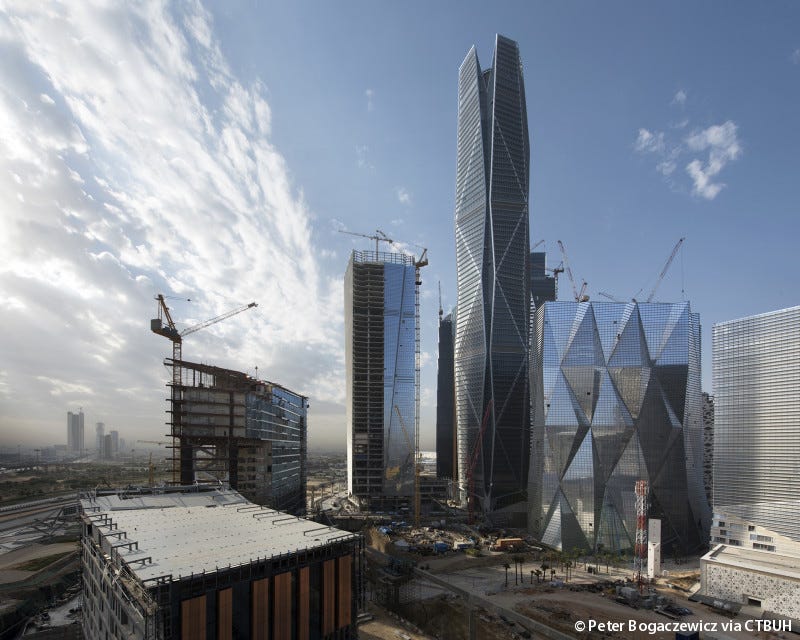
The escalating conflict has complicated Crown Prince Mohammed bin Salman’s economic diversification plans. In Yemen, Houthi forces have seized the Red Sea coast, including the strategically important Bab el-Mandeb Strait. Saudi officials reportedly expect their military campaign to continue for up to six months.
Sources: Al Jazeera, South China Morning Post

US President Donald Trump said he would defer any decision on renewed military strikes against Iran until after the beginning of 2027, as Washington maintains its naval blockade and economic campaign against Tehran. Trump said he was not rushing into a decision, despite previously warning that American forces remained ready to resume major operations.
The announcement coincided with the departure of the USS George Washington from the Middle East, leaving two American aircraft carriers, the USS George H.W. Bush and USS Theodore Roosevelt, supporting the blockade. The US naval presence also includes more than a dozen other warships, while disruptions to shipping through the Strait of Hormuz continue to affect global energy prices.
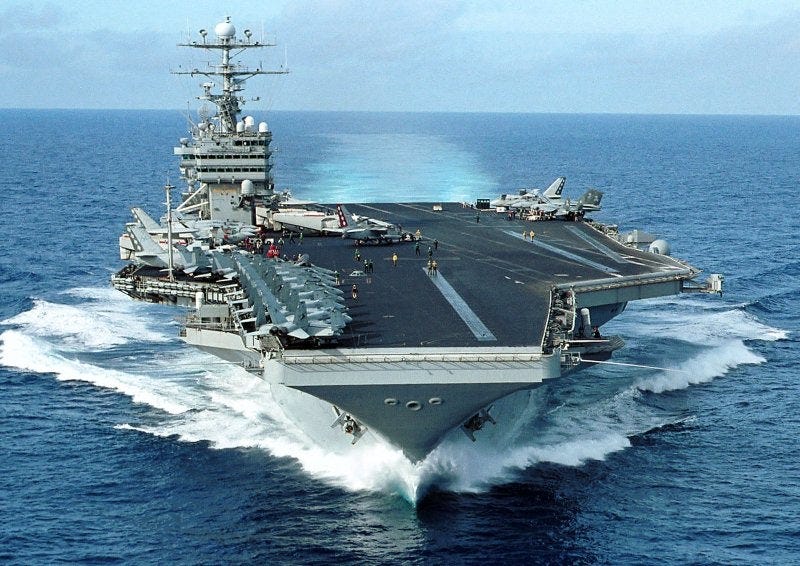
The war’s financial and political costs are mounting. A Pentagon official estimated expenditure at $48.3 billion through November 13, while the Senate rejected a Democratic proposal to end the conflict by 51 votes to 48.
Sources: Times of India, The Independent

The International Court of Justice has ruled that Myanmar committed genocide against its Rohingya minority during a military crackdown in 2017, the first time an international court has found a state responsible for genocide. The court determined that around 10,000 Rohingya were killed and more than 700,000 fled to neighbouring Bangladesh, where many remain in refugee camps.
ICJ president Yuji Iwasawa said the evidence established an intention to destroy part of the Rohingya population. Judges cited widespread sexual violence, killings, attacks on children and destruction of evidence. Myanmar rejected the allegations, maintaining that its military operations responded to insurgent attacks.
The court said Myanmar must pay proportionate reparations, with the amount to be determined later. Its judgments are binding but it has no direct enforcement mechanism. Australia called for safe, voluntary returns, while Britain announced the expulsion of Myanmar’s defence attaché.
Sources: BBC, SBS

The United Nations faces the unprecedented prospect of having no secretary-general when António Guterres leaves office on December 31, after eight rounds of Security Council voting failed to produce a successor. The council’s five permanent members, Britain, China, France, Russia and the United States, have been unable to agree on a candidate, with another secret ballot expected this week.
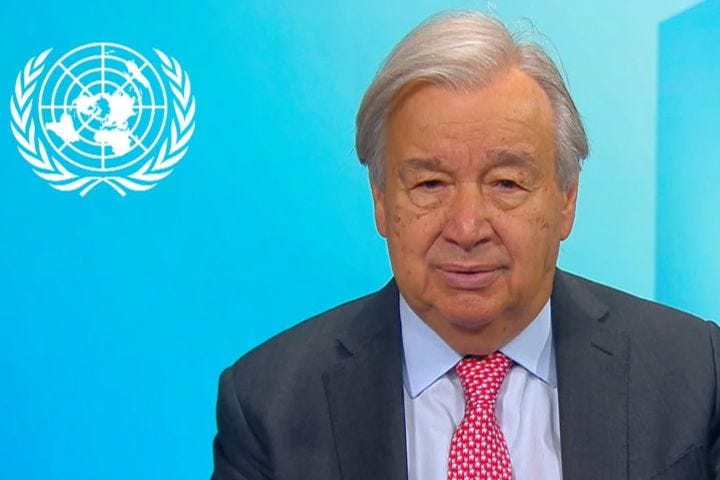
Contenders include frontrunner Rebeca Grynspan and UAE diplomat Lana Nusseibeh. The impasse comes as the UN faces reduced American funding, declining political influence and growing demands for institutional reform. Analysts say the stalemate reflects the permanent members’ diminishing willingness to compromise.
The UN Charter provides no procedure for a leadership vacancy and no secretary-general has previously departed without a replacement. Options include appointing an acting chief or extending Guterres’ term, but both face obstacles. Officials are preparing contingency plans as the deadline approaches.
Sources: Reuters, Modern Diplomacy

International Monetary Fund managing director Kristalina Georgieva warned that global public debt will soon reach 100% of world GDP, its highest level since the Second World War. Speaking at the APEC summit in Shenzhen, she called for urgent attention to government finances as rising interest rates increase debt servicing costs.
Georgieva said the Middle East energy shock and demand associated with artificial intelligence were driving global inflation towards 4.7% this year, prompting tighter monetary policy in many economies. Bond yields in several advanced economies are already at their highest levels in decades.
She also described 2026 as the first year artificial intelligence had significantly boosted global growth, helping offset the energy shock. The IMF chief cited global growth of 3.1% and trade expansion of 4.6%, while urging governments to strengthen productivity, develop digital infrastructure and prepare workers for technological change.
Sources: Mercopress, BGNES

Carbon emissions associated with the world’s datacentres are projected to rise 70% by 2030 as artificial intelligence drives rapid growth in electricity demand, according to the International Energy Agency. The agency expects datacentres to consume twice as much electricity within four years, with AI accounting for three-quarters of the increase.
The expansion is expected to increase fossil fuel consumption despite substantial investment in renewable energy. By 2030, coal could supply around half the electricity used by China’s AI datacentres, while natural gas is expected to provide approximately 60% of US datacentre power. The European Union, by contrast, is forecast to obtain 70% from renewables.
The IEA estimates that AI datacentres alone will require an additional 350 terawatt-hours annually by 2030, exceeding Britain’s current electricity consumption. The projections highlight the growing importance of national energy choices in determining AI’s environmental impact.
Sources: The Guardian, IEA
Restacking or sharing this publication means more people can read it. Commenting extends the conversation. Liking shows your appreciation.
On this day …
On this day in 1975, Spanish dictator Francisco Franco died in Madrid, ending nearly four decades of authoritarian rule established following the Nationalists’ victory in the Spanish Civil War.
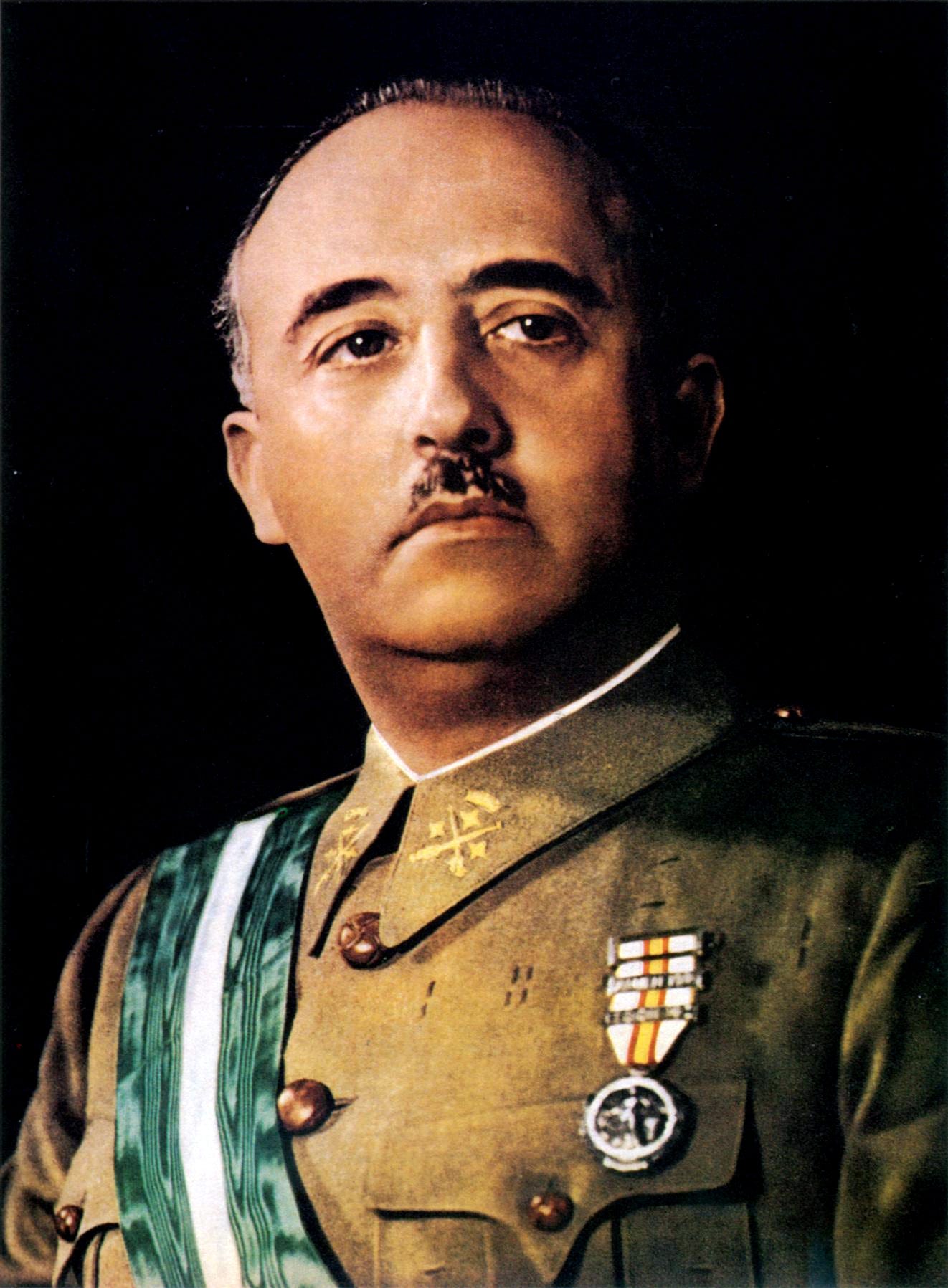
Franco had governed Spain since 1939, suppressing political opposition, restricting civil liberties and maintaining a centralised nationalist state. His death opened the way for a political transition under King Juan Carlos I, whom Franco had designated as his successor.
Spain subsequently legalised political parties, held democratic elections in 1977 and adopted a new constitution in 1978, establishing a parliamentary democracy.
The transition became an influential example of negotiated political change from authoritarian government to democratic institutions.