


Trump Threat Raises Oil Shock Risk (Conflict)
Putin Visits Beijing From Weaker Position (Diplomacy)
US NATO Shift Tests European Defence (Europe)
China Secretly Trained Russian Troops (Conflict)
G7 Unity Strains Over Russia Waiver (Geopolitics)
Ebola Emergency Exposes Congo Gaps (Health)
Iran Plot Exposes Regime Change Gamble (Middle East)
Drone Downing Raises Baltic Risk (Europe)
EU Weighs Fertiliser Stockpiles (Europe)
Zapatero Probe Deepens Sánchez Pressure (Politics)
A succinct daily briefing delivered each weekday to help you stay on top of the stories shaping the world.
President Donald Trump has again threatened Iran with new U.S. attacks if Tehran does not make significant concessions to end the Middle East war. He said he had been an hour away from ordering fresh strikes before pulling back, and warned that a new attack could come within days if no deal is reached.
The threat came despite a ceasefire in place since 8 April and a new Iranian proposal submitted through Pakistani mediators. Iran continues to block most shipping in the Strait of Hormuz, while the U.S. has imposed a naval blockade on Iranian ports.
Oil prices eased after Trump said the war would end very quickly, but investors remain wary. The Strait of Hormuz normally carries about a fifth of global oil supplies, and analysts warned prices could stay elevated because renewed attacks and prolonged disruption remain possible.
Sources: Reuters, The Guardian
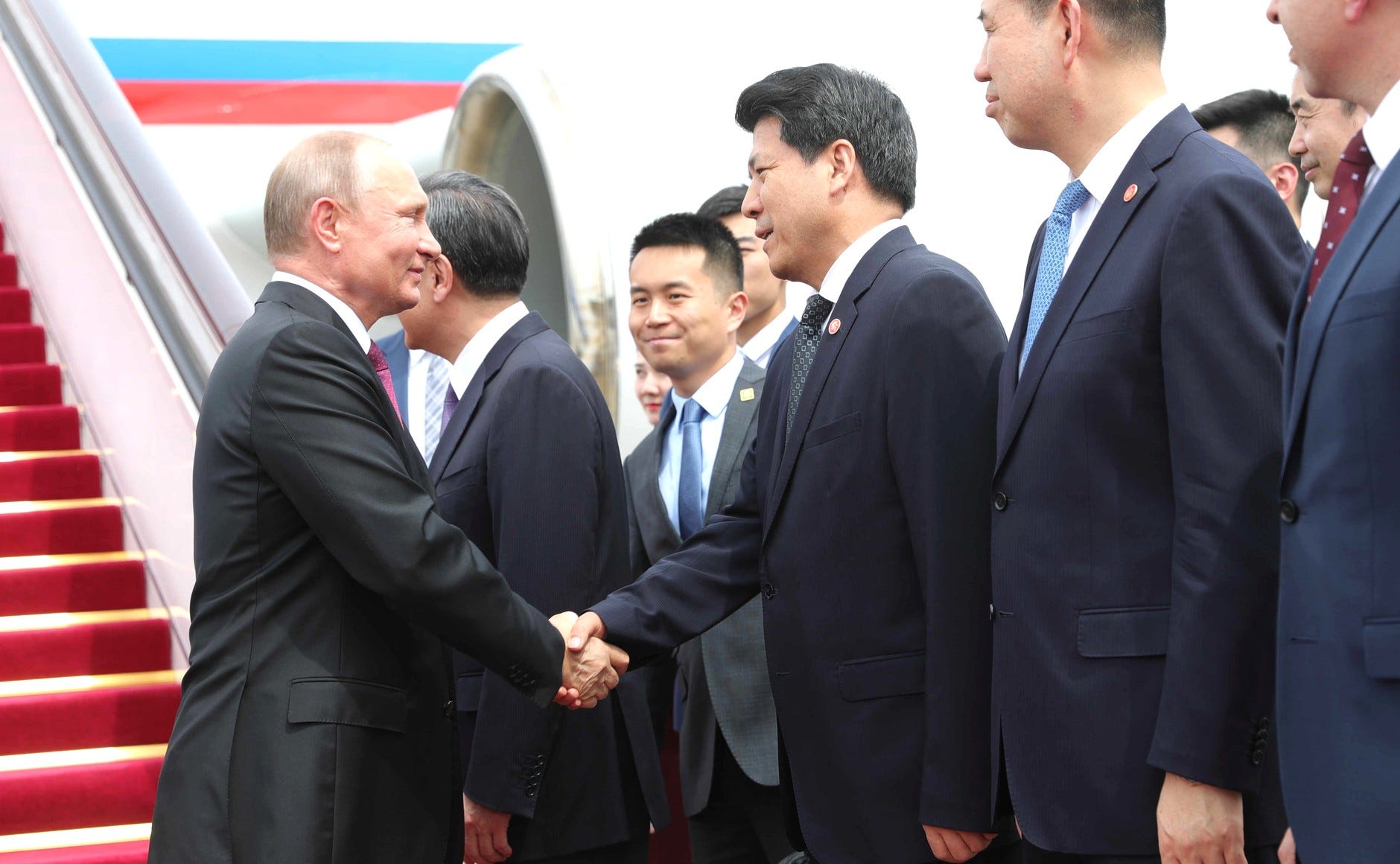
Russian President Vladimir Putin arrived in Beijing days after Donald Trump’s summit with Xi Jinping, highlighting China’s position as the power being courted by both leaders. Putin described Russia-China relations as unprecedented and equal, but the visit exposed a widening imbalance beneath their anti-U.S. partnership.
Russia’s economy is under strain, its forces are struggling in Ukraine, Moscow has faced Ukrainian drone attacks and public fatigue with the war is rising. China, meanwhile, supplies more than a third of Russia’s imports and buys more than a quarter of its exports, while Russia accounts for only about 4 percent of China’s trade.
The Iran conflict has created an opening for Moscow to present itself as a more reliable energy supplier to China. Russian officials hope the disruption to Persian Gulf supplies will help revive the stalled Power of Siberia 2 pipeline, though Beijing has sought lower prices and diversified supply.
Sources: Washington Post, New York Times
The Trump administration plans to tell NATO allies it will shrink the pool of U.S. military capabilities available to assist European members in a major crisis. The change would affect the NATO Force Model, under which alliance members identify forces that could be activated during conflict or another major emergency.
Donald Trump has said European countries should take primary responsibility for their continent’s security. The Pentagon is expected to signal the reduced commitment at a Friday meeting of defence policy chiefs in Brussels, though the timing and scale remain unclear.
The move comes after U.S. plans to cut about 5,000 troops from Europe and cancel an Army brigade deployment to Poland. Some European countries already fear Washington could withdraw outright, while allies argue they are increasing military capabilities but cannot do so overnight.
Sources: Reuters, The Telegraph
China’s armed forces secretly trained about 200 Russian military personnel in China late last year, with some later returning to fight in Ukraine, according to three European intelligence agencies and documents seen by Reuters. The covert sessions focused mainly on drone warfare and were set out in a Russian-Chinese agreement signed in Beijing on 2 July 2025.
The agreement said Russian troops would be trained at Chinese military facilities, including in Beijing and Nanjing, and also covered electronic warfare, army aviation, armoured infantry, explosives handling, demining and counter-drone measures.
China has repeatedly claimed neutrality in Russia’s war and presented itself as a potential peace mediator. One intelligence official said training Russian personnel who later participated in combat in Ukraine made China appear more directly involved in the war than previously known.
Sources: Kyiv Independent, Reuters
G7 finance ministers agreed that action is needed to tackle unsustainable trade imbalances in a fragmented global economy, but offered limited concrete measures after two days of talks in Paris. French Finance Minister Roland Lescure said the discussions had been frank and sometimes difficult, while the final statement reaffirmed commitment to multilateral cooperation.
The ministers also called for the immediate reopening of the Strait of Hormuz, where shipping remains severely restricted after Iran imposed an effective blockade at the start of the Middle East war. They warned that energy, food and fertiliser supply chains were under pressure.
The meeting exposed tension over Washington’s decision to extend a sanctions waiver allowing purchases of Russian seaborne oil for 30 more days. European Commissioner for Economy & Productivity Valdis Dombrovskis said the G7 was not always fully aligned, while M. Lescure insisted willingness to keep pressure on Russia was unanimous.
Sources: France 24, Business Times
Restacking or sharing this publication means more people can read it. Commenting extends the conversation. Liking shows your appreciation.

The World Health Organization has declared an Ebola outbreak in Congo a public health emergency of international concern after authorities reported more than 500 suspected cases and 134 suspected deaths. WHO Director-General Tedros Adhanom Ghebreyesus said he was deeply concerned by the scale and speed of the epidemic.
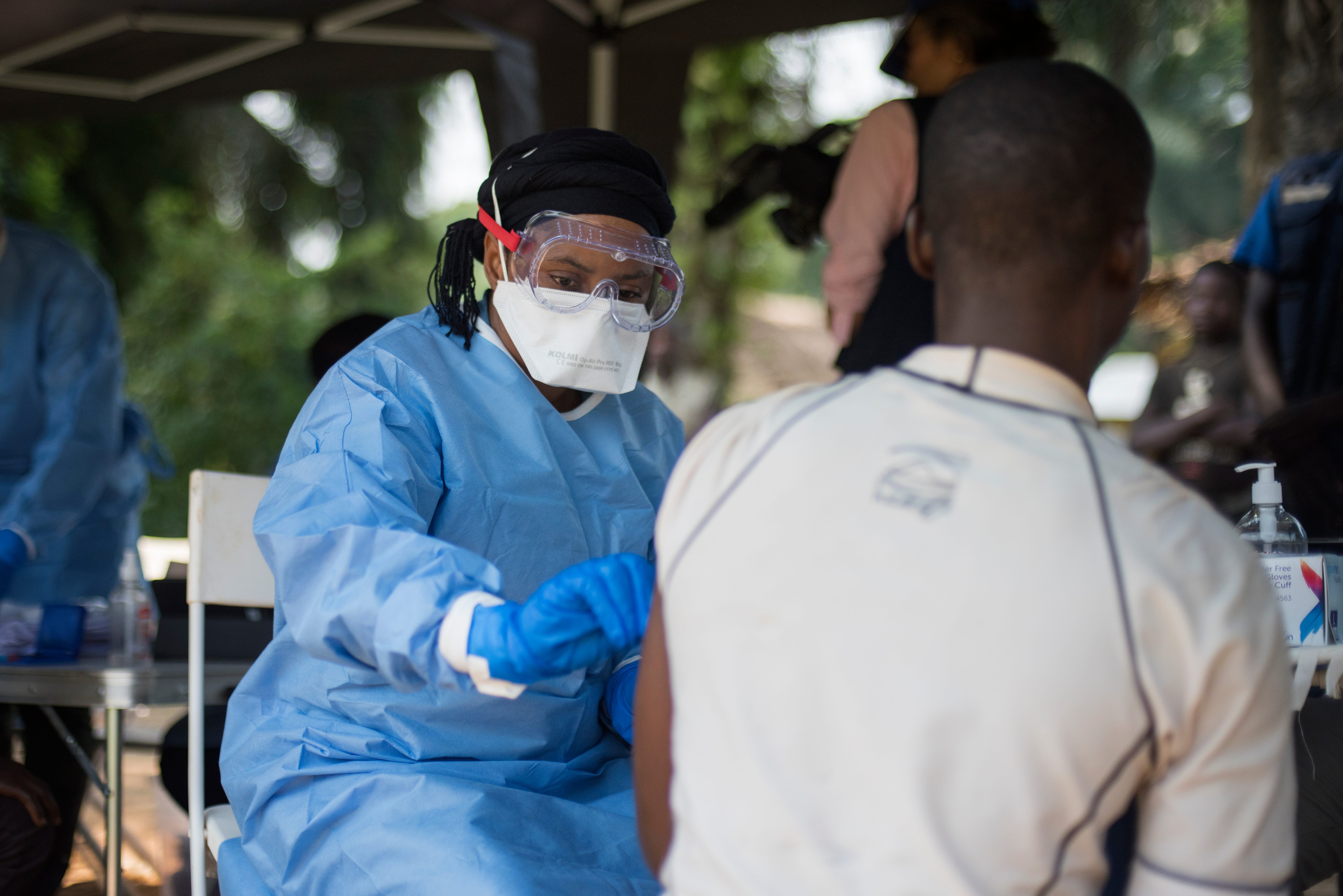
The outbreak involves the Bundibugyo strain, for which there are no approved medicines or vaccines. The virus spread undetected for weeks after early tests looked for the more common Zaire strain and came back negative, delaying confirmation until May.
Cases have been reported in urban areas including Bunia, Goma and Kampala, while conflict and displacement in eastern Congo are complicating the response. Tedros said deaths among health workers and significant population movement increased the risk of further spread.
Sources: Associated Press, CNN

The United States and Israel entered the Iran war with a plan to install Mahmoud Ahmadinejad, the former Iranian president, as the country’s leader, according to U.S. officials briefed on it. The plan was developed by Israel, and Ahmadinejad had been consulted before it quickly went awry.
An Israeli strike on the first day of the war was designed to free Ahmadinejad from house arrest in Tehran by killing the guards watching him. He was injured, survived and then became disillusioned with the regime-change plan. His current whereabouts and condition are unknown.
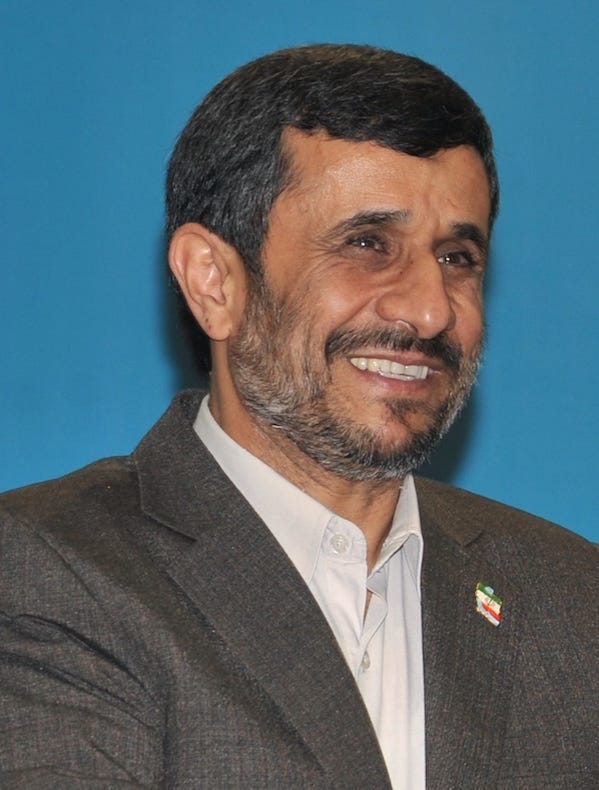
The effort formed part of a wider Israeli plan to topple Iran’s theocratic government after strikes killed Ayatollah Ali Khamenei and other officials. Some U.S. officials were sceptical about putting Ahmadinejad back in power, given his hard-line record and anti-American views.
Sources: New York Times, India Today
A Romanian F-16 on NATO’s Baltic air policing mission shot down a drone over Estonia on Tuesday after it was identified as a potential threat before entering Estonian airspace. Estonia suspects the drone was a Ukrainian projectile knocked off course by Russian electronic jamming.
Defence Minister Hanno Pevkur said debris fell in a marshy area in central Estonia and no damage was reported. Ukraine apologised to Estonia and other Baltic states, saying Russia was deliberately redirecting Ukrainian drones launched at legitimate military targets in Russia.
The incident follows recent drone incursions over Estonia, Latvia and Lithuania, including two Ukrainian drones that hit an empty oil storage site in Latvia earlier this month. Baltic officials deny allowing Ukraine to use their airspace, while concerns are growing that Moscow may be testing NATO’s resolve.
Sources: BBC, The Guardian

The European Commission will explore stockpiling fertiliser supplies and boosting European production as the Middle East war disrupts crop nutrient markets and raises the risk of higher food prices. The plan includes assessing seasonal or minimum stocks, joint procurement and measures to secure fertiliser components.
European Commissioner for Agriculture & Food Christophe Hansen said food security starts with fertiliser security, adding that Europe must produce more and depend less on others. Before the war, as much as a third of globally traded fertilisers moved through the Strait of Hormuz, while nitrogen-based fertiliser prices were about 70 percent above their 2024 average last month.
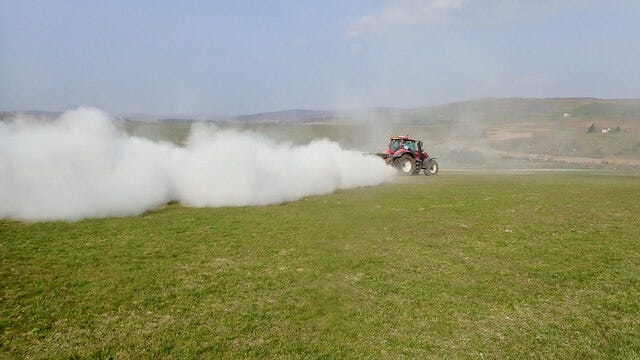
Officials are not expecting an immediate food-price impact, because farmers are using stocks bought before the war. But they warn pressure could filter through by year-end, exposing how energy, fertiliser and food security are increasingly treated as strategic supply-chain risks.
Sources: FT, Politico Europe
Former Spanish prime minister José Luis Rodríguez Zapatero has been placed under investigation over alleged influence peddling and related crimes linked to the 2021 public bailout of Plus Ultra. The airline received €53 million through Spain’s state holding company during the pandemic.
Judge José Luis Calama said Zapatero allegedly led an influence-peddling structure created to obtain economic benefits for third parties seeking favourable decisions. His Madrid office was searched on Tuesday, and he has been summoned to appear in court as a suspect on June 2.
Zapatero denied wrongdoing, saying he had never carried out dealings with any public administration or public-sector body over the bailout. The case adds pressure on Spanish Prime Minister Pedro Sánchez, whose wife, brother and former political allies are also facing separate corruption allegations that they deny.
Sources: FT, Al Jazeera
Restacking this post will help it reach more readers interested in the world.
On this day …
On this day in 2019, Volodymyr Zelensky was sworn in as president of Ukraine after campaigning as a political outsider promising reform, anti-corruption measures and an end to entrenched elite politics. A former comedian and television actor, he entered office with no previous experience in elected government.
At the time, many observers viewed his victory as part of a broader global pattern of voter frustration with established political systems.
His presidency later became inseparable from Ukraine’s wartime leadership following Russia’s full-scale invasion in 2022.
Zelensky’s political journey remains an example of how rapidly public figures can move from outsider status to the centre of major geopolitical events.