


Asia Floods Strain Indonesia And Sri Lanka
Kazakhstan Protests Attack On Black Sea Terminal
Ukraine Strikes Russian Shadow Fleet Tankers
US And Ukraine Push Peace Framework Talks
Hong Kong Mourns After Deadly Tower Fire
US Congress Seeks Answers On Alleged Follow-Up Strike
SAS Chiefs Accused of Hiding War Crime Evidence
Netanyahu Seeks Pardon To End Corruption Trial
China’s Arms Firms Hit by Corruption Purge
Swiss Vote Down Major Inheritance Tax
On this day ….
The Channel Tunnel reached its defining moment on this day in 1990, when British and French engineering teams broke through the final rock wall and met beneath the seabed.
The project had been debated for more than a century, but the breakthrough finally created a physical link between the UK and mainland Europe for the first time since the Ice Age.
The moment symbolised a period of closer European integration and the confidence of late-20th-century infrastructure ambition.
It remains a reminder of how political relationships shape and are shaped by major engineering choices and makes one wonder whether such a project would even be possible today.

Separate weather systems brought days of torrential rain to Indonesia’s Sumatra and across Sri Lanka, leaving both governments running large military relief operations. Indonesia’s president said the “worst has passed” and made immediate aid delivery the priority, as isolated villages remained cut off.
Pressure has mounted on him to declare a national emergency after flooding and landslides killed at least 442 people, while hundreds are still missing. The disaster is Indonesia’s deadliest since the 2018 Sulawesi earthquake and tsunami.
Meanwhile, Sri Lanka has requested international assistance and deployed helicopters to reach communities hit by flooding and landslides triggered by Cyclone Ditwah. This approach contrasts with Indonesia’s stance, as a state of emergency was declared and rescue teams began clearing blocked roads. As rain eased in Colombo there were hopes waters would recede, though damage across the central region is still being uncovered.
Sources: The Guardian, France 24

Kazakhstan has protested to Ukraine after a major drone strike halted exports at the Caspian Pipeline Consortium terminal on the Black Sea, which handles more than one per cent of global oil.
The CPC said a Ukrainian naval drone had significantly damaged a mooring at its Russian facility, forcing it to stop loading operations and withdraw tankers from the area. Kazakhstan’s foreign ministry said the attack was the third on what it described as an exclusively civilian site protected by international law.
In contrast, Ukraine said its actions were aimed at repelling Russian aggression and were not directed at Kazakhstan or other third parties. The CPC pipeline, about 1,500 km long, carries crude from major Kazakh fields to the Novorossiysk terminal and accounts for roughly 80 per cent of Kazakhstan’s oil exports. As a result, Astana warned the incident harmed bilateral relations and called for steps to prevent further strikes.
Sources: South China Morning Post, Reuters

Ukraine has struck two Russian oil tankers in the Black Sea using naval drones, targeting vessels that officials say are part of Russia’s so-called shadow fleet. Verified footage shows drones hitting the Kairos and Virat off the Turkish coast, causing fires on both ships. Turkish authorities said the tankers were flagged to the Gambia, were empty at the time, and were heading to Novorossiysk to load oil. The Virat was reportedly hit again the following day. No casualties were reported.
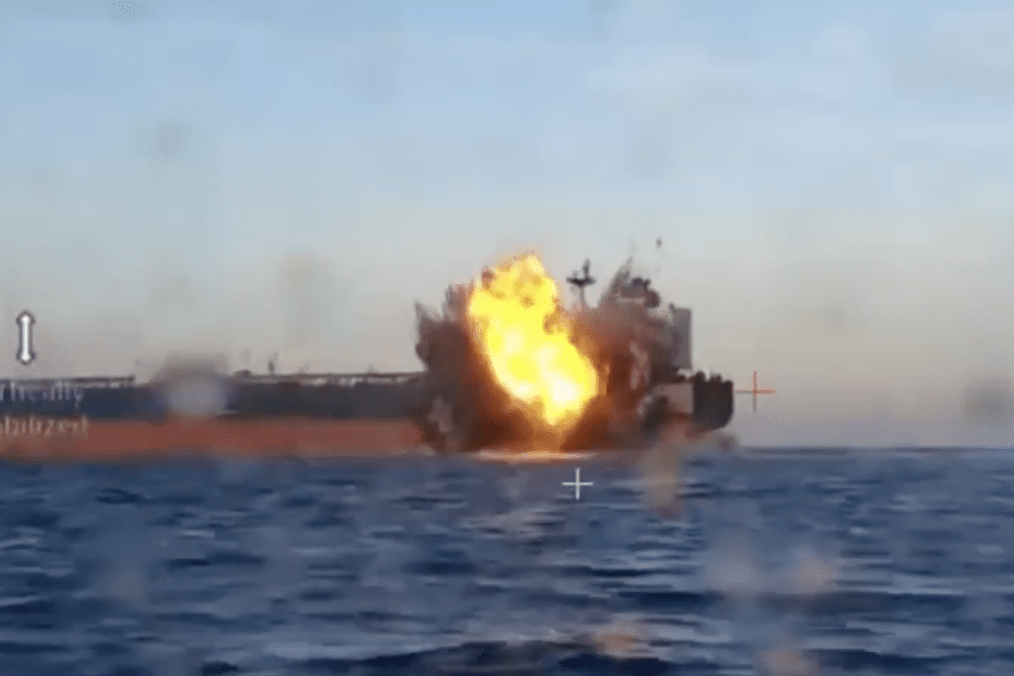
The attacks appear intended to undermine Russia’s oil revenues, which Ukraine says are vital to the Russian war effort. As a result, Kyiv has shifted from striking refineries deep inside Russia to targeting ships on sanctions lists linked to the export of Russian crude.
Meanwhile, Turkey voiced concern that the incidents occurred in its Exclusive Economic Zone, warning of safety risks and saying it is in contact with relevant parties to prevent escalation in the Black Sea.
Sources: BBC, NBC News

US and Ukrainian officials held four hours of talks in Florida aimed at shaping a framework to end Russia’s war, days before a US envoy travels to Moscow. Secretary of State Marco Rubio said the session was productive but more work is needed, stressing that any deal must leave Ukraine sovereign and positioned for long-term prosperity. The American delegation included Steve Witkoff and Jared Kushner, while Ukraine’s team was led by Rustem Umerov.
The discussions focused on revisions to a proposed US–Russian plan that had been criticised for leaning too heavily toward Moscow’s demands. As a result, negotiators are searching for new formulations ahead of Witkoff’s planned meeting with Vladimir Putin.
Meanwhile, Ukraine faces domestic pressure after the resignation of its chief negotiator, Andrii Yermak, following an anti-corruption search. Fresh Russian drone and missile strikes around Kyiv, which killed and wounded civilians over the weekend, underscored the urgency of the talks.
Sources: The Guardian, Associated Press

Hong Kong authorities are continuing to search fire-ravaged apartment towers at Wang Fuk Court after the city’s deadliest blaze in more than seven decades killed at least 146 people. Police say four of the seven damaged buildings have been combed, with bodies found in stairwells, corridors and on rooftops as residents attempted to escape.
About 40 people remain unaccounted for, and senior officers warn the final phase of the search will take weeks because the remaining buildings are the most difficult to enter.
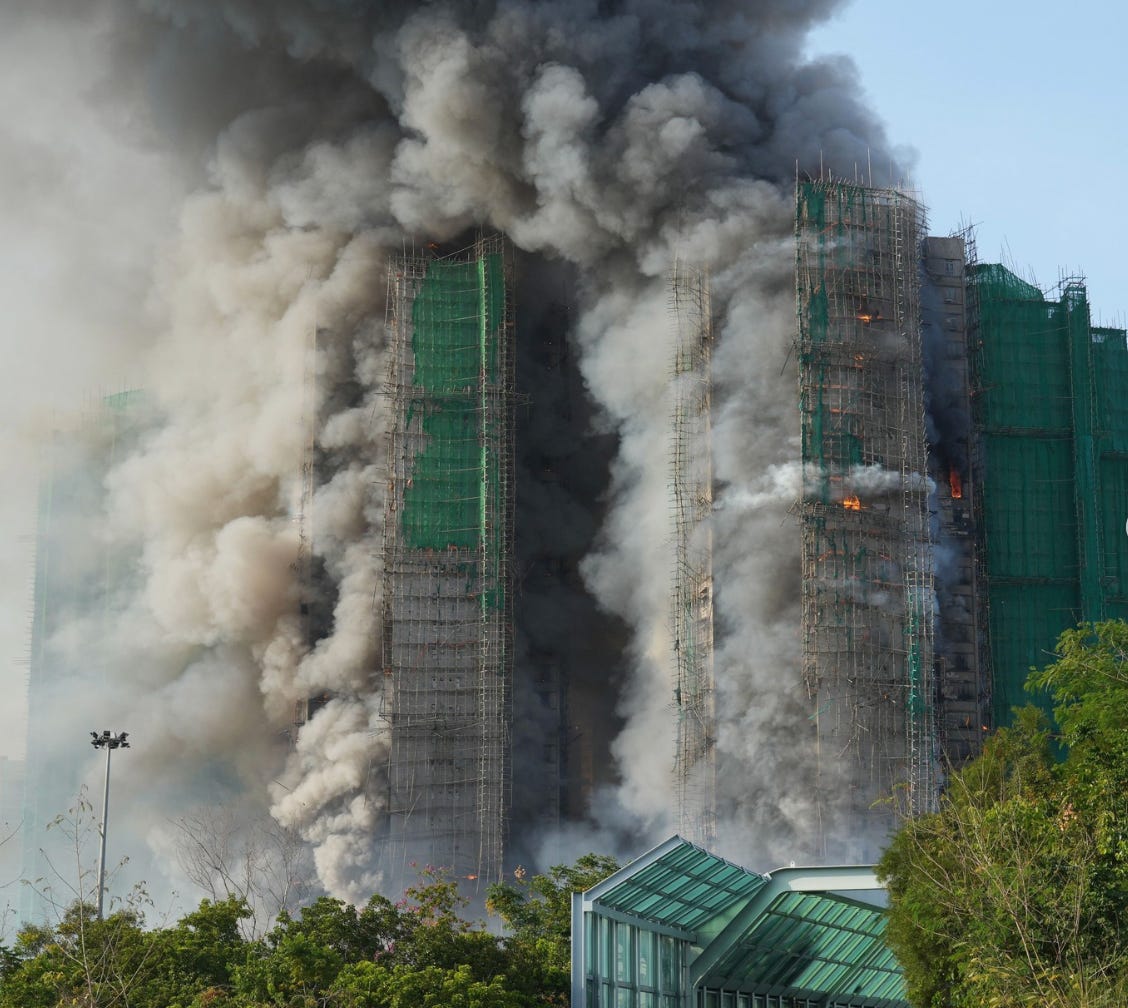
Meanwhile, thousands of people have joined lines stretching for kilometres to pay tribute at a makeshift altar near the estate. As a result, a large resettlement effort is under way: more than 1,800 survivors have moved into temporary accommodation, and emergency funds and documentation support have been offered. Beijing has called for unity and urged the city to look forward, while police and anti-corruption officers have made multiple arrests linked to suspected unsafe practices and possible graft during the renovation works.
Sources: Japan Times, South China Morning Post

U.S. lawmakers from both parties are demanding answers after reports that a follow-up strike in the Caribbean was ordered to kill survivors of an initial attack on a suspected drug-smuggling boat. The Washington Post reported that Defence Secretary Pete Hegseth gave a verbal instruction to “kill everybody” aboard such vessels.
Lawmakers said that, if accurate, the order and the second strike would be an illegal act. However, Hegseth has rejected the reporting as fabricated, and President Trump said he believes his denial.
The allegations have prompted intensified congressional oversight, as committees in both chambers have launched inquiries into the broader military campaign. Lawmakers say they want clarity on the legal justification for the boat strikes, which have been carried out without prior consultation and have already killed more than 80 people since early September. Meanwhile, administration officials insist the operations are lawful and part of an effort to deter drug trafficking.
Sources: New York Times, BBC

A former senior UK special forces officer has alleged that two successive heads of all UK Special Forces suppressed evidence of possible SAS war crimes in Afghanistan. He told the public inquiry that he had raised “explosive” material in 2011 pointing to suspicious killings, including cases where more detainees were reported killed than weapons recovered. However, he said none of the allegations were referred to military police as required under British law.
He added that a subsequent director also “knew there was a problem”, yet limited the response to an internal review of tactics, which he described as a warning shot to tone down violence. In contrast, whistleblower accounts and operational reports had left him “deeply troubled” by what he viewed as unlawful killings.
The officer eventually reported concerns to military police in 2015, saying it was a matter of regret that he had not acted sooner.
Sources: Straits Times, BBC

Israel’s Prime Minister Benjamin Netanyahu has asked the president to grant him a pardon from corruption charges, seeking to conclude a trial that has divided the country. His office confirmed that a detailed request had been submitted, while the president’s office called it an extraordinary move with significant implications. However, critics warned that a pardon at this stage would weaken democratic institutions and signal that he is above the rule of law.
The request follows pressure from abroad, as U.S. President Donald Trump recently urged Israel to pardon Netanyahu. However, legal experts say the trial cannot be halted through a pardon while proceedings are ongoing. In contrast, opposition leader Yair Lapid said no pardon can be granted without an admission of guilt and a retirement from political life.
Sources: Associated Press, Politico

Revenues at China’s major military companies fell sharply last year as corruption investigations disrupted arms procurement and delayed key contracts, according to new SIPRI research. The impact stood out against rising global arms revenues, fuelled by conflicts in Ukraine and Gaza as well as wider geopolitical tensions. However, the Chinese decline deepened uncertainty over when new capabilities will appear, despite long-term investment in modernisation.
The slowdown reflects the breadth of the purge within the People’s Liberation Army, which intensified in 2023 when senior figures in the Rocket Force were removed. As a result, top firms such as AVIC, Norinco and CASC faced reviews, personnel changes and programme delays.
In contrast, Japan and Germany reported substantial revenue increases. Meanwhile, analysts say uncertainties may affect timelines for advanced missile, aerospace and cyber systems, although China’s broader military build-out continues.
Sources: Reuters, South China Morning Post

Swiss voters have overwhelmingly rejected a proposal to impose a 50% tax on large donations and inheritances, blocking a measure that supporters said would help fund climate initiatives.
The plan, which applied to amounts above 50 million francs, was opposed by more than 78% of voters and failed to win a majority in any canton. Turnout was 43%. The government had argued the levy risked driving away wealthy residents and destabilising the tax system, while critics warned it would damage Switzerland’s attractiveness.

The vote came alongside a separate referendum on extending mandatory national service to women, which also failed by a wide margin. The government said the army and civil defence already had sufficient staff, while opponents cited concerns that the proposal would burden women who commonly shoulder unpaid care responsibilities. As a result, compulsory service will continue to apply only to men under existing rules.