


Trump Signals Exit From Iran War Despite Hormuz Closure
UN Warns Iran War Could Strip $200bn From Arab GDP
Iran Child Recruitment Drive Draws War Crime Warning
EU Urges Energy Cuts As Iran War Shock Deepens
Polls Show Broad US Unease Over Iran War
Third US Carrier Sent As Iran War Drags On
Israel Says It Will Hold Southern Lebanon After War
UN Warns Israeli Death Penalty Law May Be War Crime
Judge Blocks Trump Order Against NPR And PBS
EU Ministers Press War Crimes Case In Kyiv

President Donald Trump has told aides he is willing to end the US military campaign against Iran even if the Strait of Hormuz remains largely closed, judging that forcing the waterway open would extend fighting beyond his preferred four-to-six-week timeline. He said the campaign’s main goals were to hobble Iran’s navy and missile stocks before winding down current hostilities.
He signalled Washington would press European and Gulf allies to help reopen the strait as energy disruptions spread. About one-fifth of the world’s oil passes through the chokepoint, and shortages have already hit industries as prices surged above $100 a barrel.
Trump also said the United States could leave the conflict within two to three weeks and that a deal with Tehran was not required, even as domestic petrol prices rose above $4 a gallon. Analysts warn Iran’s continued control of the passage could keep threatening global trade.
Sources: Wall Street Journal, Al Jazeera

A United Nations assessment says the war against Iran could erase between $120 billion and $194 billion in gross domestic product across Arab states, with the damage spreading even if the conflict ends relatively soon. The report found the region could lose as many as 3.6 million jobs and see up to four million people pushed into poverty.
The heaviest losses are expected in Gulf Cooperation Council countries and the Levant, where output could fall by more than 5.2%. Qatar and Kuwait could each see GDP contract by 14% this year if the conflict continues through April, while Saudi Arabia and the United Arab Emirates are also expected to suffer despite being able to reroute some oil flows.
The report links the shock to disruptions caused by the effective closure of the Strait of Hormuz, which has hit oil and gas exports, lifted prices and exposed the region’s dependence on a narrow economic base.
Sources: Bloomberg, Times of Israel

Iran is recruiting volunteers aged 12 and above for military-aligned roles as the war continues, according to official statements, witnesses and rights groups. An Islamic Revolutionary Guard Corps official said children could be considered for operational and security duties, support and logistics, service and supplies, or health and treatment roles.
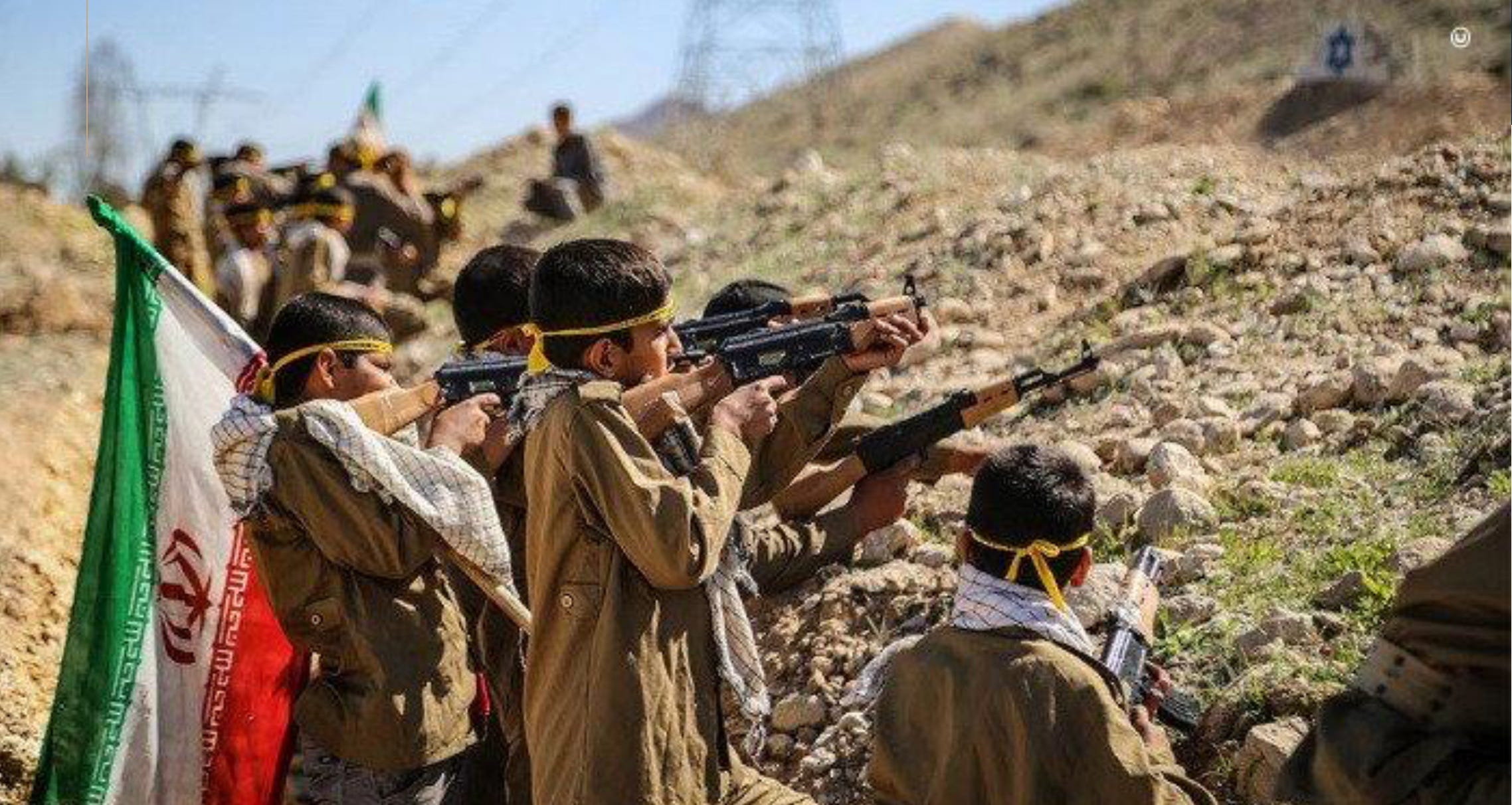
Witnesses told reporters they had seen children, including some armed, at checkpoints and in security positions in Tehran and other cities. One reported case involved 11-year-old Alireza Jafari, who was said to have been killed while helping at a checkpoint in Tehran alongside his father.
Human Rights Watch said the recruitment and use of children under 15 in military roles was a grave violation of children’s rights and a war crime. The organisation said there was no excuse for a recruitment drive targeting children, while another rights group described the initiative as a systematic crime against children.
Sources: BBC, The Independent

The European Commission has urged Europeans to work from home, drive and fly less, and use public transport more as it warned that the energy crisis triggered by the Iran war will bring prolonged disruption. Energy Commissioner Dan Jørgensen said that even if peace came tomorrow, oil and gas markets would not return to normal in the foreseeable future.
He said there were no immediate supply shortages in the European Union, but diesel and jet fuel were under pressure and global gas markets were facing increasing constraints that were pushing up electricity prices. Since the start of the war, the bloc’s bill for imported fossil fuels has risen by 14 billion euros.
Jørgensen said the Commission was preparing measures to help families and businesses weather the price shock, while also urging member states to avoid fragmented national responses. He also called for faster deployment of renewables and backed measures such as lower speed limits, car sharing and public transport use.
Sources: Politico Europe, Associated Press

New polling points to broad unease in the United States over the war with Iran, with two-thirds of Americans saying Washington should end its involvement quickly even if its stated goals are not achieved. The Reuters/Ipsos survey also found that 60% disapproved of US military strikes on Iran, while 35% approved.
The conflict’s domestic impact is also registering in household concerns. Gasoline rose above $4 a gallon on Monday for the first time in more than three years, and two in three respondents said they expected prices to worsen over the next year. More than half said the conflict would have a mostly negative effect on their personal financial situation.
A separate poll found 55% of American Jews opposed the military action, while 32% supported it. It also reported concern about unclear objectives, lack of congressional approval and the long-term political effects of conducting the war jointly with Israel.
Sources: Reuters, Times of Israel

A third US aircraft carrier strike group is heading to the Middle East as operations against Iran continue, extending a naval build-up around the conflict. The USS George H.W. Bush left Norfolk, Virginia, on Tuesday with Arleigh Burke-class destroyers and is likely to take three weeks to reach the region.
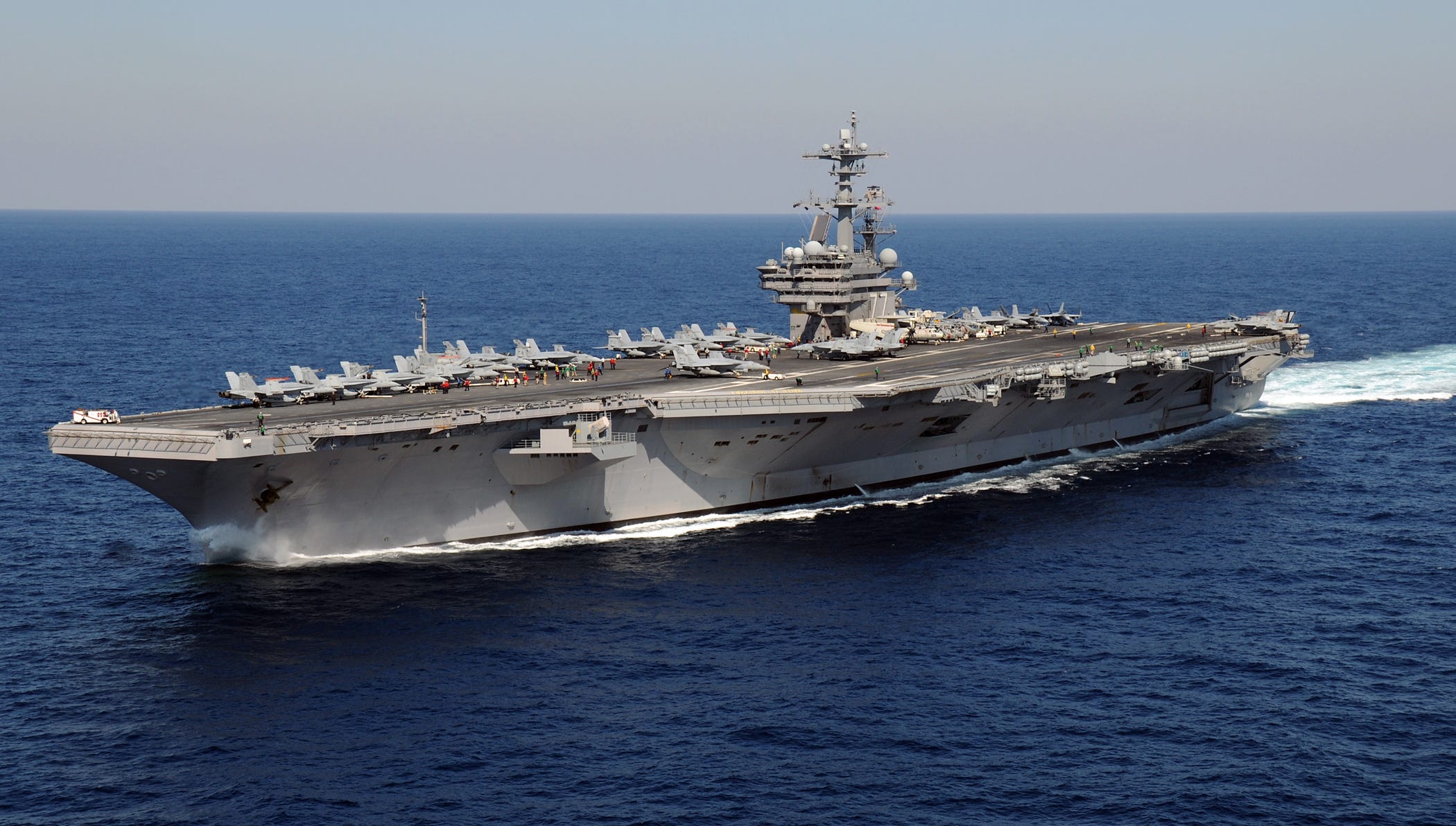
Its deployment follows the departure of the USS Gerald R. Ford from combat operations after a fire in its laundry area. The Bush is expected to replace the Ford while joining the USS Abraham Lincoln, which is operating in the Arabian Sea. It is the third such group dispatched during the war.
The move comes as President Donald Trump seeks a diplomatic resolution to a war that has raised energy prices, largely cut off shipping in the Strait of Hormuz and triggered Iranian retaliation against Gulf allies.
Sources: Bloomberg, Anadolu Agency

Israel’s defence minister said Israeli forces would retain security control over territory in southern Lebanon up to the Litani River even after the current war with Hezbollah ends, while also declaring that homes in villages near the border would be destroyed. He said more than 600,000 displaced residents would be barred from returning south of the Litani until northern Israel was secure.
The announcement drew immediate condemnation from Lebanon, which said it showed a clear intention to impose a new occupation, forcibly displace civilians and destroy towns and villages. European countries, Canada and the United Nations also criticised the plan as fighting continued.
The conflict has already caused heavy losses. Since early March, at least 1,238 people have been killed in Lebanon, including at least 124 children, while more than a million people have been displaced. Israeli officials say the objective is to protect communities in northern Israel from Hezbollah attacks.
Sources: BBC, The Guardian
The United Nations human rights chief has urged Israel to repeal a law reinstating the death penalty in terms applicable almost exclusively to Palestinians, warning that its use against residents of the occupied Palestinian territory would constitute a war crime. He said the legislation was deeply discriminatory, inconsistent with Israel’s international law obligations and raised serious concerns about due process violations.

The law, passed by the Knesset on 30 March, makes execution by hanging the default penalty for Palestinians in the occupied West Bank convicted of lethal attacks against Israelis. It also requires death sentences to be carried out within 90 days and does not provide an opportunity for pardon.
Hundreds of Palestinians protested across the occupied West Bank after the vote, while the European Union, Germany and Spain voiced concern or condemnation. Israel’s parliament approved the legislation by 62 votes to 48, with Prime Minister Benjamin Netanyahu voting in support.
Sources: Al Jazeera, UN Human Rights
A federal judge has permanently blocked the Trump administration from enforcing a presidential directive to end federal funding for NPR and PBS, ruling that the order is unlawful and unenforceable under the First Amendment. The judge said free speech protections do not permit viewpoint discrimination and retaliation of this kind.
In his ruling, the judge said the order sought to cut off all federal funding to the two organisations because the president disapproved of their coverage. He wrote that the government had failed to cite a single case upholding action barring an entity from federally funded activity because of its past speech.
The White House called the decision a ridiculous ruling by an activist judge and said the administration expected ultimate victory. The case comes after Congress voted to defund the Corporation for Public Broadcasting, while earlier funding cuts forced PBS to lay off one-third of its children’s staff.
Sources: Associated Press, The Guardian

European foreign ministers gathered in Kyiv on Tuesday to mark the fourth anniversary of the Bucha atrocities and to reinforce support for holding Russia to account. All European Union countries except Hungary backed a special tribunal to prosecute Russian war crimes, while EU officials also discussed a claims commission for war damages.
The visit came as US-led efforts to end the war remained stalled and attention in Washington was drawn towards the Middle East. EU foreign policy chief Kaja Kallas said it was vital not to let Ukraine slip off the table and stressed the need for accountability for those responsible for killings in places like Bucha.
At the same time, Ukraine intensified long-range drone strikes on Russian oil export infrastructure in the Baltic Sea, targeting facilities in the Leningrad region and ports including Primorsk and Ust-Luga. Kyiv says the attacks are aimed at curbing export income that finances Moscow’s war effort.
Sources: Associated Press, Politico Europe
On this day …
On this day in 1979, Iran formally became the Islamic Republic after a national referendum approved the political transformation that followed the overthrow of the Shah earlier that year.
The new system combined republican institutions with clerical authority under Ayatollah Ruhollah Khomeini, reshaping Iran’s domestic order and redefining its relationship with Western powers and regional neighbours.
The change also influenced political movements across the Middle East and altered the strategic landscape of the Cold War era.
Few constitutional transitions have so quickly reshaped both regional alliances and global perceptions of political Islam.