


Energy Infrastructure Strike Signals Wider Economic Risk
Iran Retaliates for South Pars Attack
Trump Denies Role In Strike And Issues Iran Warning
US Weighs Reinforcements As Iran War Broadens
FBI Probes Ex Counterterror Chief After Iran War Exit
Zelensky Warns Iran War Will Drain Ukraine Missiles
Gabbard Says Iran Still Able To Strike US Interests
Fed Holds Rates As Iran War Clouds US Outlook
EU Leaders Press Orbán Over €90bn Ukraine Loan
Kent Meningitis Outbreak Prompts Urgent Response
Israel’s strike on facilities linked to Iran’s South Pars gas field has triggered immediate disruption across global energy markets, underlining the strategic importance of the site. The field, the largest in the world, is central to Iran’s domestic energy system and underpins much of its electricity generation, while also supplying neighbouring countries.
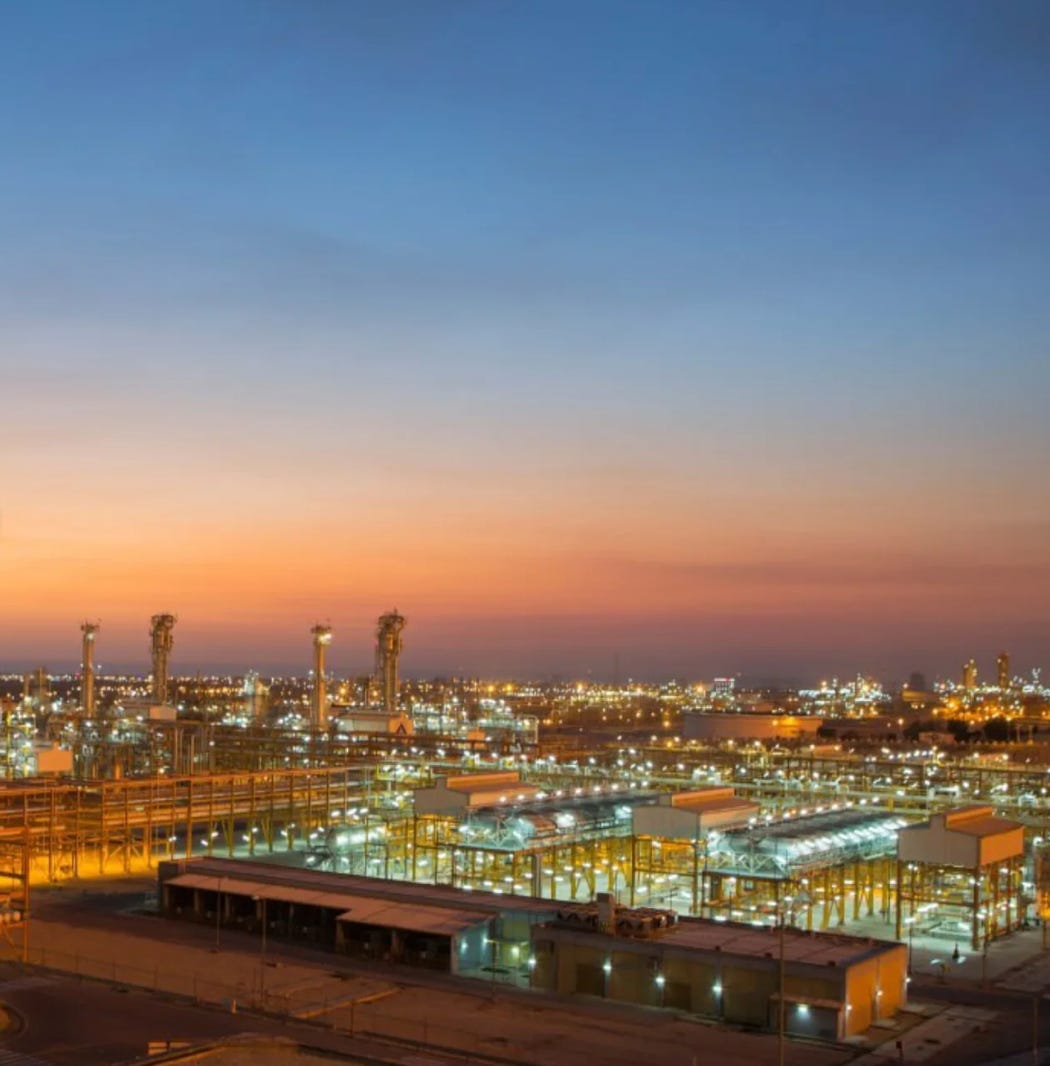
The attack has already halted gas flows to Iraq as Iran diverted supply domestically, while retaliatory strikes and threats against infrastructure in Qatar, Saudi Arabia and the United Arab Emirates have widened the risk of regional disruption. Fighting has also curtailed shipments through the Strait of Hormuz, a key route for global energy flows. Oil prices rose more than 5 percent, with Brent crude reaching $108.66 a barrel, reflecting fears of prolonged supply constraints.
The combination of disrupted production, halted exports and rising prices has increased concern that sustained volatility in energy markets could trigger a broader wave of global inflation.
Sources: ABC, Al Jazeera

Israel’s strike on Iran’s South Pars gas field has triggered a rapid cycle of retaliation across the Gulf, marking a shift in the conflict towards energy infrastructure. Iran responded by launching missiles at facilities in Qatar and Saudi Arabia, including strikes that caused extensive damage and fires at a major gas processing hub, while also targeting sites in the United Arab Emirates.
The escalation has disrupted global energy flows, with oil prices rising and shipments through the Strait of Hormuz coming under sustained pressure. More than 20 vessels have been attacked during the conflict, underscoring the vulnerability of a route that carries a significant share of global oil trade.
Analysts warn the targeting of South Pars, the world’s largest gas field, signals a prolonged phase of conflict with no immediate off-ramp. The widening pattern of strikes across energy systems has raised the risk of sustained supply disruption and broader economic consequences.
Sources: South China Morning Post, Axios

US President Donald Trump has denied any prior knowledge or involvement in Israel’s strike on Iran’s South Pars gas field, distancing Washington from a major escalation in the conflict. He said neither the United States nor Qatar had any role in the attack, which he described as a unilateral Israeli action.
The statement came as Iran broadened its retaliation across Gulf energy infrastructure, including strikes on Qatar’s Ras Laffan gas facilities that caused significant damage and fires, as well as attacks on sites in Saudi Arabia and the United Arab Emirates. The escalation has intensified pressure on regional energy systems and contributed to rising oil prices.
Trump coupled his denial with a direct warning, stating the United States would “massively blow up” the entire South Pars field if Iran continued targeting Qatari gas facilities. The combination of distancing and deterrence highlights a calibrated US position as the conflict expands across critical energy infrastructure.
Sources: Euronews, The Guardian

The Trump administration is considering sending thousands of additional troops to the Middle East as it weighs possible next steps in the Iran war, now in its third week. The options under discussion include securing safe passage through the Strait of Hormuz, potentially with air and naval forces, and in some scenarios with ground troops on Iran’s shoreline.
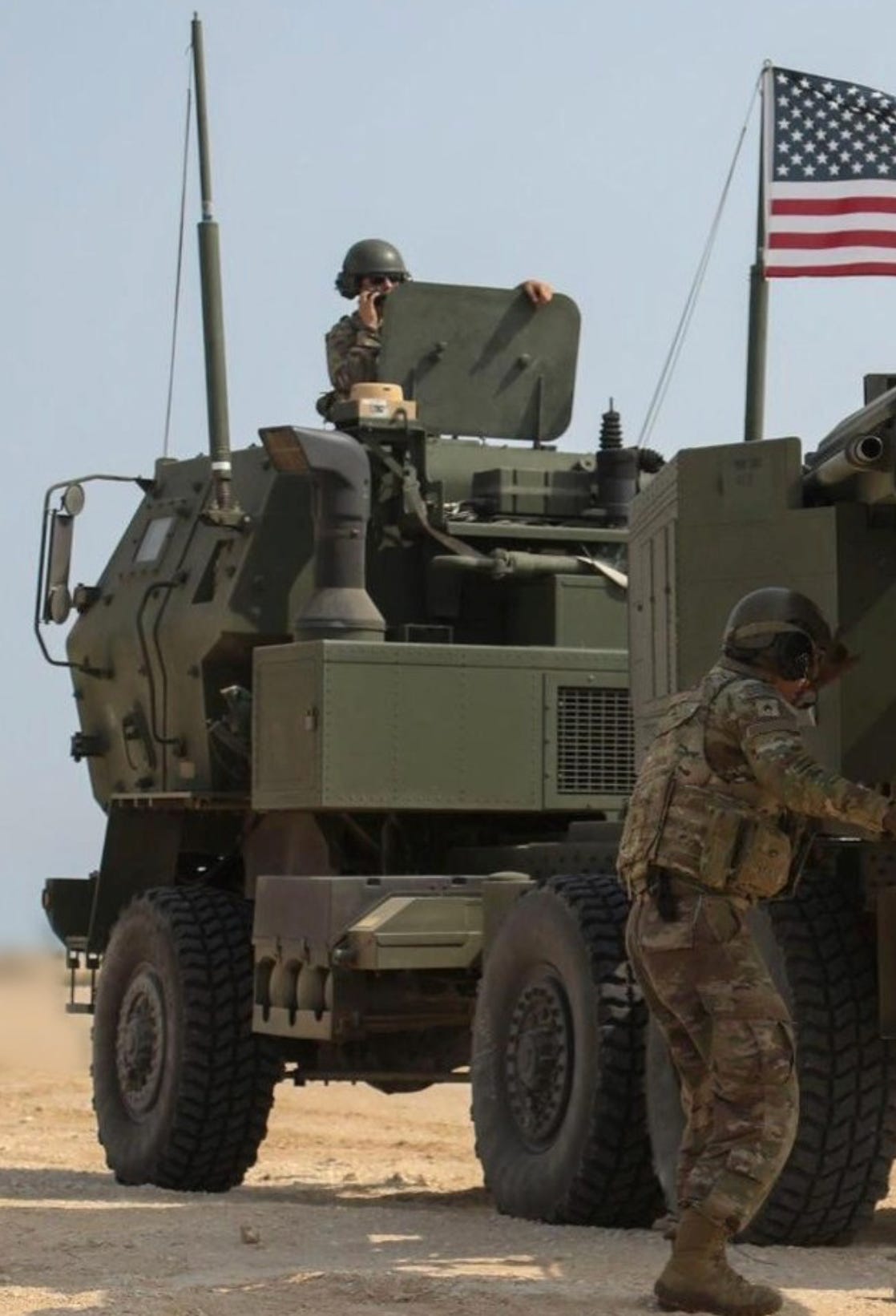
Officials have also discussed sending forces to Kharg Island, the hub for 90 percent of Iran’s oil exports, and securing Iran’s stocks of highly enriched uranium. The White House said no decision has been made to send ground troops, while stressing that Trump is keeping all options available.
The deliberations point to a possible new phase in the conflict, as Washington considers broader military aims while trying to limit political risk. Any deployment on Iranian territory would deepen US involvement in a war Trump once pledged to avoid, even as casualties and operational demands continue to rise.
Sources: Reuters, ANI News

Joe Kent, the former director of the National Counterterrorism Center, is under FBI investigation over an alleged leak of classified information, according to reports that said the inquiry began before his resignation on Tuesday. Kent became the first senior member of the administration to quit over the Iran war after saying he disagreed with the decision to go to war and that Iran did not pose an imminent threat.
In his first interview since leaving office, Kent said dissenting voices were frozen out before the 28 February US airstrikes and that there was not a robust debate inside the administration. He said his concerns would be ignored and that he could not support a war that served no benefit to the American people.
The White House pushed back, saying Trump had strong and compelling evidence that Iran was going to attack the United States first.
Sources: The Guardian, NBC News

Volodymyr Zelensky has warned that Ukraine will face a missile deficit as the war in the Middle East redirects US resources and delays diplomacy over Russia’s invasion. He said a prolonged conflict involving the United States, Israel and Iran would benefit Vladimir Putin by raising energy prices, depleting US reserves and reducing air defence production available to Kyiv.
Zelensky said Ukraine would definitely face a shortage of Patriot missiles and described that as a challenge. He said peace negotiations were being constantly postponed because of the war in Iran, and argued that the question now was when stockpiles in the Middle East would be exhausted.
The warning reflects growing concern in Kyiv that a widening regional war could weaken western support at a critical moment. During a visit to London, Zelensky also urged Donald Trump and Keir Starmer to meet and find common ground, while Starmer said the focus must remain on Ukraine.
Sources: BBC, The Independent

US Director of National Intelligence Tulsi Gabbard told senators that Iran’s government appears intact, though degraded, and remains capable of attacking US and allied interests in the Middle East. She said Tehran and its proxies could continue such attacks and warned that, if the regime survives, it would seek to rebuild its missile and drone forces over years.
Her testimony highlighted continuing uncertainty inside Washington over the war’s objectives and intelligence basis. Lawmakers said they wanted more clarity about a conflict that has killed thousands, disrupted millions of lives and shaken energy and stock markets. Democrats in particular criticised the administration for failing to explain its plan and motivation clearly.
The hearing also deepened confusion over Iran’s nuclear programme, while raising further questions about what President Donald Trump was told before joining the strikes on Iran. Intelligence officials said the president had been warned Tehran could retaliate against Gulf allies and seek to close the Strait of Hormuz.
Sources: South China Morning Post, Reuters

The Federal Reserve kept US interest rates unchanged at 3.5 to 3.75 percent for a second straight meeting as the war in Iran added fresh uncertainty to the economic outlook. Officials still projected one quarter-point cut this year, but new forecasts showed inflation ending 2026 at 2.7 percent, above the central bank’s 2 percent target.
Chair Jay Powell said higher energy prices would push up overall inflation, while the wider effects on growth and the labour market remained unclear. Oil prices rose sharply during the conflict, and policymakers warned that prolonged disruption could both lift prices and dent growth. Powell said the Fed was balancing downside risks to the labour market against upside risks to inflation.
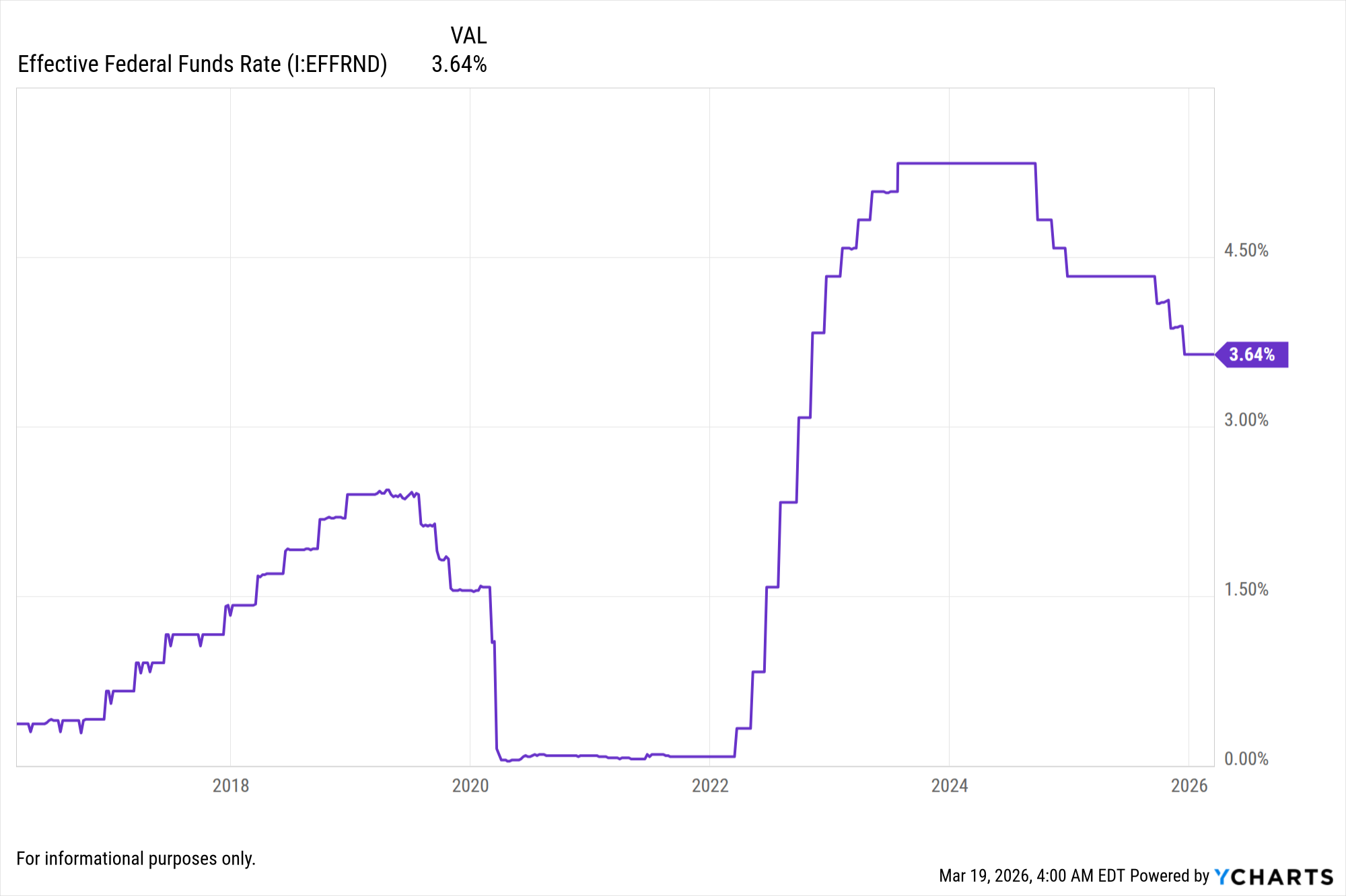
The decision leaves the central bank navigating a more difficult policy trade-off, with war-driven energy shocks complicating an already fragile economic picture.
Sources: New York Times, FT

EU leaders meeting in Brussels are set to confront Viktor Orbán over Hungary’s veto of a €90 billion loan for Ukraine, after he reversed a deal endorsed in December. Orbán has linked his blockade to the damaged Druzhba pipeline, saying Hungary will not allow the loan until Russian oil flows through the route are restored.
The dispute has intensified frustration across the bloc because Hungary had previously agreed not to obstruct the funding plan. EU diplomats said there was no alternative to the existing agreement, while European Council president António Costa reportedly told Orbán he was expected to respect the commitments made by Hungary at the December summit.
The row threatens to overshadow a broader summit agenda that includes the Middle East war, high energy prices and European competitiveness. It also underscores how a bilateral dispute over oil transit has become a wider test of EU unity over support for Ukraine.
Sources: Euronews, The Guardian

At least 20 young adults are believed to have been infected and two young people have died in an outbreak of meningococcal disease in Kent, in southeast England. The outbreak is centred on Canterbury, with at least 10 cases traced to Club Chemistry, a nightclub frequented by students from the nearby University of Kent.
Health officials described the outbreak as unusual because meningitis typically appears as isolated cases rather than a fast-moving cluster in one small area. Six of the 20 Kent cases were confirmed as group B meningococcal disease, a serious bacterial infection that can present as meningitis or bloodstream infection and can progress rapidly.
Antibiotics have been offered to close contacts and to students in University of Kent housing, while a targeted vaccination programme is due to begin for students living on the Canterbury campus. Officials cautioned that more cases could still emerge in the coming days.
Sources: New York Times, BBC
On this day …
On this day in 2003, a US-led coalition launched military operations against Iraq, beginning a war that would reshape Middle Eastern politics for decades.
The invasion was justified by claims that Saddam Hussein’s government possessed weapons of mass destruction and posed a growing security threat, assertions that were later widely disputed.
Coalition forces quickly toppled the Iraqi regime, but the conflict soon evolved into a prolonged insurgency and sectarian violence that destabilised the region.
The war’s consequences extended far beyond Iraq, influencing debates about intervention, intelligence, and international law.
Two decades on, the invasion continues to shape global discussions about the risks and limits of military intervention.