


EU Weighs Retaliation as Trump Ties Tariffs to Greenland
World Leaders Cautious on Trump’s “Board of Peace” Plan
Drones Cut Power In Occupied Zaporizhzhia
Syria Announces Ceasefire Deal With Kurdish-Led SDF
Iran Warns US as Judiciary Signals Possible Executions
Museveni Claims Mandate After Landslide Win in Uganda
Portugal Heads to Runoff After Fragmented First Round
EU And Mercosur Sign Landmark Free Trade Deal
Chile Declares Emergency as Wildfires Kill at Least 18
Spain Rail Collision Kills At Least 39

European leaders are weighing retaliatory tariffs and wider sanctions after Donald Trump threatened new import taxes on countries opposing his attempt to secure Greenland. The leaders of Denmark, Norway, Sweden, France, Germany, the UK, the Netherlands and Finland warned that tariff threats “undermine transatlantic relations” and pledged to uphold their sovereignty. EU diplomats held crisis talks on Sunday, reviving discussion of counter-tariffs on €93bn of US goods.
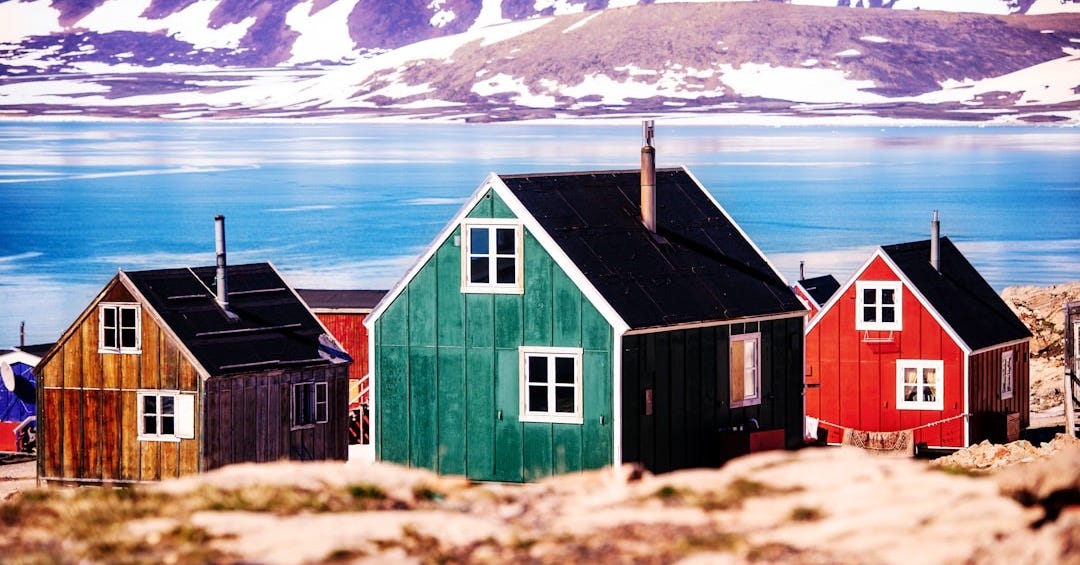
France’s president, Emmanuel Macron, urged colleagues to consider activating the EU’s anti-coercion instrument, a law allowing punitive economic measures against states using trade pressure. European Council president António Costa announced plans for an emergency summit later this week, saying the bloc was ready to defend itself against coercion.
Trump said tariffs of 10 percent would apply from 1 February, rising to 25 percent from 1 June, until a deal was reached for the “complete and total purchase” of Greenland, a largely autonomous territory within Denmark.
Sources: The Guardian, Bloomberg

Governments reacted cautiously to President Donald Trump’s invitations to join a “Board of Peace” aimed at resolving conflicts, as diplomats warned it could harm the work of the United Nations. Invitations to about 60 nations began arriving in European capitals on Saturday, with Hungary the only government to accept unequivocally. The board would be chaired for life by Trump and would start by addressing the Gaza conflict before expanding to other conflicts, according to a draft charter seen by Reuters.
The invitation letter says member states would serve three-year terms unless they pay $1 billion each to fund the board’s activities and earn permanent membership. In Canada, Prime Minister Mark Carney said he agreed in principle to join for Gaza but that details were still being worked out, including financing.
The charter has stoked concerns it could sideline the United Nations, even as UN officials said states were free to associate and the organisation would continue its mandated work.
Sources: Reuters, CBC

Ukrainian drone strikes damaged energy networks in Russia-occupied southern Ukraine, leaving more than 200,000 households without electricity on Sunday, according to local authorities. Yevgeny Balitsky said nearly 400 settlements had their supply cut because of damage to power networks.
Russia also kept up overnight attacks on Ukraine’s energy grid, with energy infrastructure targeted in the Odesa region, where a fire broke out and was promptly extinguished. At least six people were wounded in the Dnipropetrovsk region, and President Volodymyr Zelenskyy said two people were killed in overnight attacks across multiple regions.
Zelenskyy said a Ukrainian delegation had arrived in the United States for talks on a U.S.-led diplomatic push, and that Ukraine was seeking to finalise documents on postwar security guarantees and economic recovery. He said the documents could be signed next week at the World Economic Forum in Davos if approved.
Sources: Associated Press, ABC News

Syria’s government has announced a ceasefire agreement with the Syrian Democratic Forces, setting out a handover of SDF-held areas and the integration of its forces into state structures. Syrian President Ahmed al-Sharaa said state institutions would move into al-Hasakah, Deir Az Zor and Raqqa, while the SDF would withdraw from areas west of the Euphrates River. SDF leader Mazloum Abdi confirmed in a video statement that the group accepted the agreement, including withdrawal from Raqqa and Deir el-Zour provinces.
The deal includes dismantling the SDF and having its forces join Syria’s military and security forces, with senior officials to be given high-ranking positions in state institutions. The government would also take over border crossings and oil and gas fields, while the administration overseeing ISIL detainees and camps would be integrated into the state structure. There was no clear timeline, with implementation expected to begin with cessation of hostilities.
Sources: The Guardian, Al Jazeera

Iran’s president warned that any US strike would trigger a “harsh response” from Tehran, as the judiciary hinted executions of detainees may go ahead after nationwide protests. President Masoud Pezeshkian said on X that Tehran’s response “to any unjust aggression will be harsh and regrettable”, adding that any attack on Supreme Leader Ali Khamenei is “tantamount to a full-scale war against the nation”. The unrest was sparked last month in Tehran’s Grand Bazaar over economic grievances, then turned political and spread nationwide.
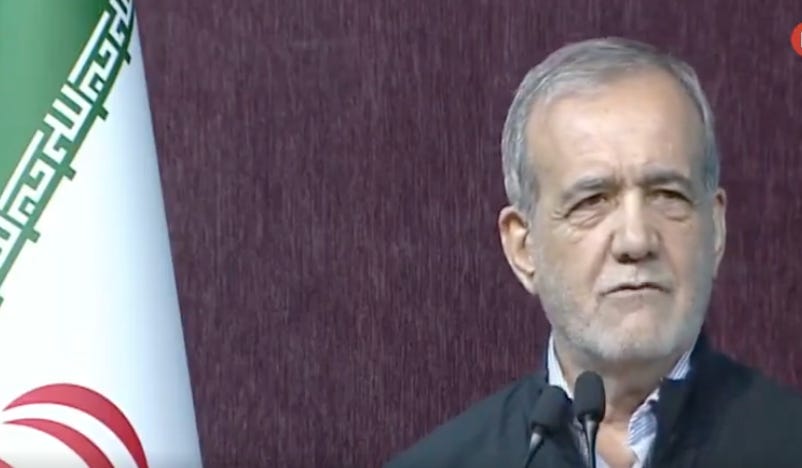
US President Donald Trump has repeatedly threatened to intervene if protesters continued to be killed or executed, and told Politico: “it’s time to look for new leadership in Iran”. Iran’s judiciary spokesperson said “a series of actions have been identified as Mohareb”, a charge punishable by death under Iranian law.
Internet access briefly returned but later dropped again, as monitoring groups reported shutdowns resuming.
Sources: Reuters, Times of Israel

President Yoweri Museveni said his landslide election victory showed the dominance of his National Resistance Movement, calling the result “a good taste of the strength” of the party that has governed Uganda for four decades. Official results showed Museveni winning more than 71.6 percent of the vote, while opposition leader Bobi Wine took 24.7 percent and rejected the outcome as fake. Voter turnout was 52 percent, the lowest since Uganda’s return in 2006 to multiparty politics.
In his victory speech, Museveni accused the opposition of trying to foment violence during voting and called some opponents “terrorists” and “traitors”. He said at least seven opposition supporters of a losing parliamentary candidate with Wine’s party were killed by police after attacking a polling station with machetes in Butambala.
The election was marred by a dayslong internet shutdown, and the government said it would maintain a ban on social media platforms until further notice.
Sources: ABC News, RFI

António José Seguro, a former head of Portugal’s Socialist Party, won the first round of the presidential election on Sunday with just over 31 percent of the vote. Far-right leader André Ventura placed second with almost a quarter of ballots, and the two will face each other in a runoff on February 8 after no candidate secured an absolute majority. Liberal candidate João Cotrim de Figueiredo came third with about 16 percent.
Ventura’s result underlines the growth of Chega, which in six years has moved from one lawmaker to becoming the country’s leading opposition party with more than a quarter of seats in parliament. The president can veto laws, dissolve parliament and call early elections, and appoint the prime minister.
The winner will replace Marcelo Rebelo de Sousa, who has served the limit of two five-year terms.
Sources: Politico Europe, Al Jazeera

The European Union and the Mercosur bloc formally signed a long-sought free trade agreement in Asunción on Saturday, capping more than a quarter-century of negotiations. The accord will gradually eliminate more than 90% of tariffs, creating one of the world’s largest free trade zones and making shopping cheaper for more than 700 million consumers.
Mercosur consists of Argentina, Brazil, Paraguay and Uruguay. Bolivia is not included in the trade deal but could join in the coming years, while Venezuela has been suspended from the bloc and is not included. European Commission President Ursula von der Leyen portrayed the deal as a choice of “fair trade over tariffs”, while Brazil’s President Luiz Inácio Lula da Silva hailed it as a symbol of global cooperation, despite skipping the ceremony.
The deal could still face hurdles in Europe, with ratification by the European Parliament required before it takes effect.
Sources: PBS, Associated Press

Chile’s President Gabriel Boric declared a state of catastrophe in the Ñuble and Biobío regions as wildfires left at least 18 people dead and forced large-scale evacuations. More than 50,000 people were evacuated, with many leaving the cities of Penco and Lirquen near the coastal city of Concepción. Disaster agencies said at least 250 homes have been destroyed, and local media showed pictures of charred cars in the streets.
Chile’s forestry agency said firefighters were battling 24 active fires across the country, with the most threatening in Ñuble and Biobío, about 500km south of Santiago. The fires have consumed nearly 8,500 hectares in the two regions so far.
Authorities said strong winds and high summer temperatures helped the wildfires spread and complicated efforts to control them. Much of Chile was under extreme heat alerts, with temperatures expected to reach 38C between Santiago and Biobío.
Sources: BBC, CNN

At least 39 people have died in a train collision in southern Spain, with dozens more injured, according to Spain’s Civil Guard. Carriages on a Madrid-bound train derailed and crossed to the opposite tracks, colliding with an oncoming train in Adamuz, near the city of Córdoba.
Rail networks said 400 passengers and staff were onboard both trains. Andalusia’s emergency services said at least 73 people were taken to hospital, with 24 seriously injured, including four children. Adif said the collision happened about ten minutes after the train left Málaga at 18:40 local time heading to Madrid.
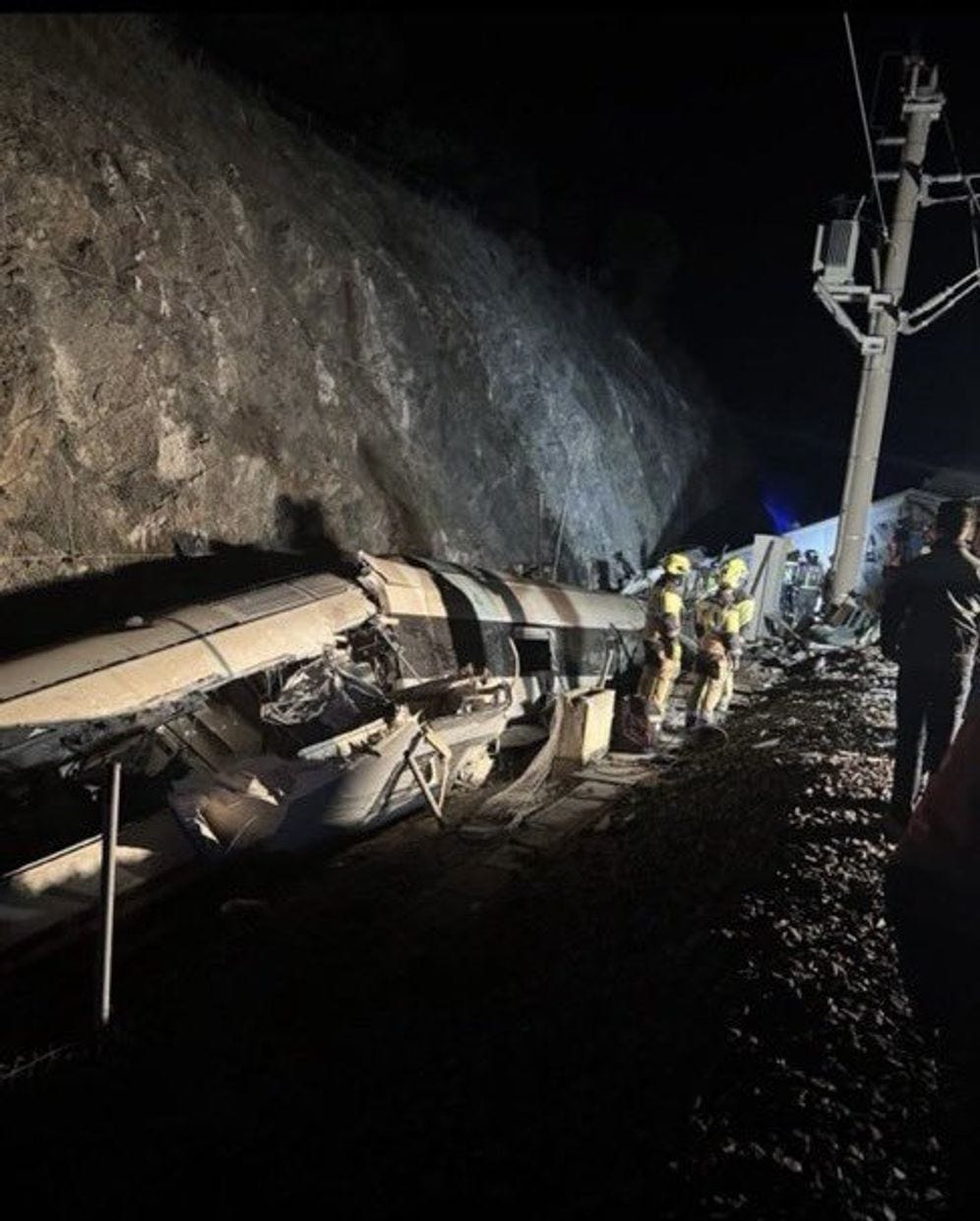
The mayor of Adamuz, Rafael Moreno, was one of the first people on the scene of the accident, describing it as "a nightmare" as officials launched an investigation. All rail services between Madrid and Andalusia were suspended following the accident and were expected to remain closed all day on Monday.
Sources: Il Sole 24, BBC
On this day ….
On this day in 19 2020 Chinese authorities publicly confirmed that a new coronavirus could spread between people, overturning earlier uncertainty about the nature of the outbreak.
The statement followed the rapid appearance of cases beyond the original cluster in Wuhan and marked a decisive shift in how governments and health agencies assessed the risk.
Within days, temperature screenings expanded, international travel advisories multiplied, and laboratories worldwide began preparing diagnostic tests.
What had been treated as a localised health event was now recognised as a potential global crisis, forcing states to balance public health measures against economic disruption and political stability at speed.