


Saudi Arabia’s Oil Fallback Returns To Hormuz (Middle East)
China Turns To Iran Over Red Sea Energy Risk (Geopolitics)
Russia Votes As Kremlin Seeks Wartime Support (Russia)
Sweden’s Left Wins As Coalition Talks Begin (Politics)
US Advances $24.3 Billion Saudi F-35 Sale (Middle East)
UN Experts Cite US War Crimes In Iran Strikes (US)
Indonesia Receives First Aircraft Carrier (Asia)
US Tariff Bill Tests India’s Russian Oil Strategy (Trade)
Nepal Turns Climate Study Into Disaster Fund Claim (Asia)
Russia And China End UN Iran Monitoring Mandate (Middle East)
A succinct daily briefing delivered each weekday to help you stay on top of the stories shaping the world.

Saudi Arabia is trying to restore oil exports after an attack damaged its East-West pipeline, a route that had helped offset supply lost through the Strait of Hormuz. Riyadh is seeking to return about half the pipeline’s capacity within days while offering more crude to Asian refiners through ship-to-ship transfers off Oman’s port of Sohar.
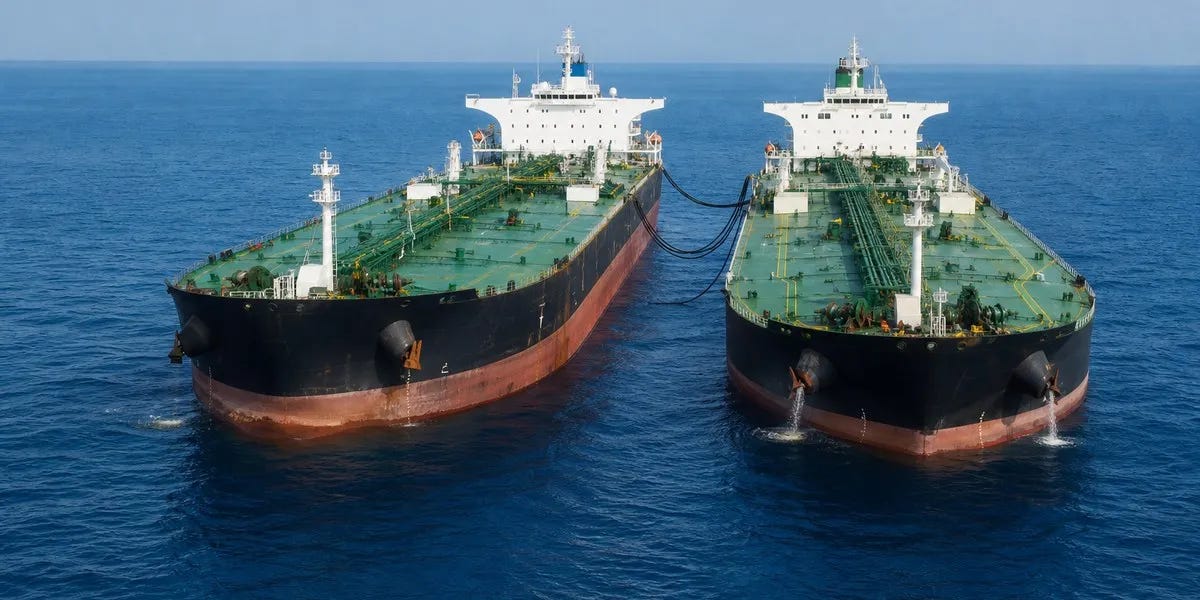
The fallback sends tankers through Hormuz in convoys under US military protection, usually at night, before crude is transferred to another vessel in the Gulf of Oman. Producers pay $16 to $20 a barrel for the risks, while insurance can reach 10% of the vessel and cargo cost.
Brent fell 0.75% to $104 a barrel on Friday, its third day of declines, as concerns over Saudi disruptions eased. Prices remain above $100 as markets await evidence that physical flows can normalise. Transporting oil through the region remains risky but the Saudis are left with little alternative.
Sources: Wall Street Journal, Reuters
China has privately asked Iran to help rein in Yemen’s Houthis after Saudi Arabia appealed to Beijing following rapid Houthi advances along the Red Sea coast and around the Bab el-Mandeb Strait. The moves have left Saudi oil exports and shipping more exposed, according to three Iranian sources familiar with the discussions.
Beijing wants Tehran to use its influence with the Houthis to prevent the conflict spreading across energy routes on which China depends. Tehran responded that regional stability and peace depend on ending the US-Israeli war on Iran, while Chinese officials made no explicit threat of economic consequences.
The stakes extend across both major maritime routes for Middle Eastern energy exports. With Hormuz effectively shut, sustained Houthi attacks on Red Sea vessels or ports could disrupt both routes simultaneously. China is Iran’s largest trading partner and main oil buyer, giving Beijing significant economic ties to and influence over Tehran as it seeks safer navigation for vital energy supplies.
Sources: Reuters, India Today

Russia began voting on Friday in its first parliamentary election since the full scale invasion of Ukraine, with United Russia expected to retain its dominance. Analysts cited say the Kremlin sees the three-day vote as a way to demonstrate public support for the war. President Vladimir Putin told voters their participation would show that millions stand behind Russian forces.
The election follows economic strain and sustained Ukrainian drone attacks. Independent Levada Center polling put Putin’s approval at 76% in August, down from 87% in September 2025. The government has raised taxes and increased domestic borrowing as the economy stagnates.
Political competition has narrowed. Russia’s Supreme Court removed Yabloko, the only party openly criticising the war, from the party-list ballot, while anti-war politicians have been imprisoned or been forced to leave Russia. For the first time, voting includes residents of four Ukrainian regions annexed by Moscow, a vote Ukraine calls illegal.
Sources: Associated Press, New York Times

Sweden’s Prime Minister Ulf Kristersson resigned after narrowly losing the general election, clearing the way for Social Democrat leader Magdalena Andersson to try to form a new centre-left government. The Swedish Election Authority’s final preliminary tally gave Andersson’s four-party left bloc 176 seats against 173 for Kristersson’s right-wing grouping, ending the conservative prime minister’s hopes of retaining office.
Andersson still needs support from the other three parties in her bloc to secure a majority. Negotiations could prove difficult because the Left Party wants ministers in the government, a demand the liberal Center Party says it cannot accept. Andersson said a new era of cooperation between political parties would be needed.
Negotiations could last weeks, with September 29 the earliest date a new prime minister can be sworn in. Kristersson is expected to remain in a caretaker role until a new government is formed. The result is interesting given the swing to the right being experienced in many other European countries.
Sources: Politico Europe, CNN

The Trump administration has asked Congress to approve the sale of 48 F-35 fighter jets to Saudi Arabia for an estimated $24.3 billion, as Riyadh faces drone and missile strikes from Iran and Yemen’s Houthis. The State Department said the proposed sale would strengthen Saudi homeland defence and improve interoperability with US forces.
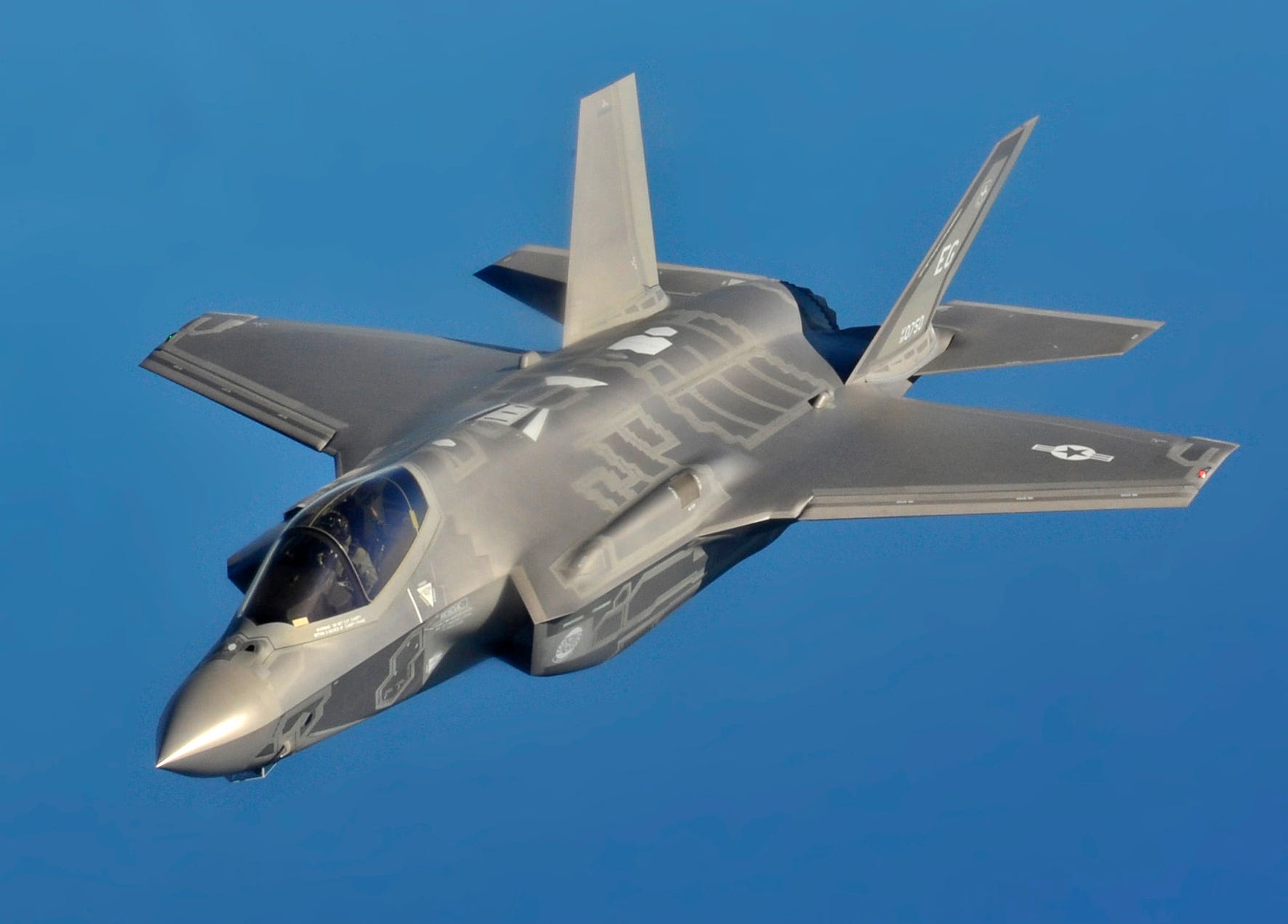
The deal requires congressional approval and has drawn concern over both Israel’s military edge and potential Chinese access to F-35 technology. The State Department said the sale would not alter the regional military balance, while Democratic Representative Raja Krishnamoorthi opposed it after US intelligence analysts raised the possibility that Beijing could acquire technology through partnerships with Riyadh.
Saudi Arabia has long sought the aircraft. Washington has not directly entered its conflict with the Houthis, although a US military task force is working to enhance intelligence sharing and planning assistance for Saudi forces.
Sources: Al Jazeera, South China Morning Post
UN human rights experts said there are reasonable grounds to believe the United States committed war crimes in two February strikes in Iran that killed at least 177 civilians. The Independent International Fact-Finding Mission on Iran concluded that attacks on a primary school in Minab and a sports complex in Lamerd were indiscriminate, causing civilian deaths and damage to civilian infrastructure.
The mission said at least 156 people, including 120 children, were killed at the Minab school, while at least 21 civilians, including seven children, were killed in Lamerd. The US has previously denied striking Lamerd and said its investigation into Minab remains ongoing.
The experts also concluded that Iranian authorities committed crimes against humanity during their crackdown on mass anti-government protests, involving unlawful killings, torture and arbitrary detention. The mission said it could not independently verify the crackdown’s death toll but believed deaths and injuries were likely far higher than official figures.
Sources: BBC, Reuters

Indonesia has received its first aircraft carrier, the 41-year-old former Italian warship ITS Giuseppe Garibaldi, which arrived in North Jakarta on Friday. The vessel will be commissioned next week as KRI Gajah Mada, with the government saying it will strengthen maritime security and disaster response across the archipelago.
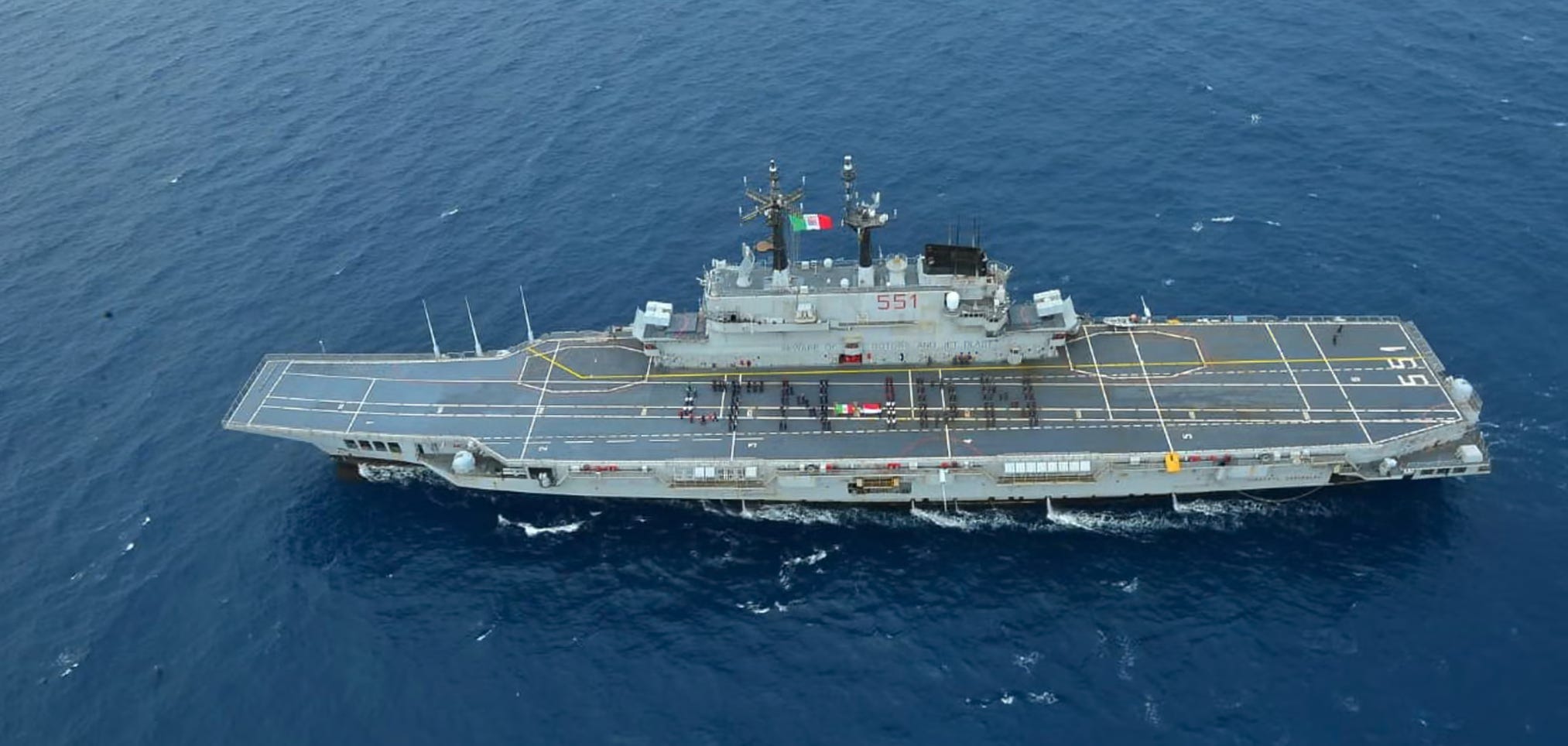
President Prabowo Subianto has said the carrier will support helicopters and drones and help authorities respond to forest & peatland fires and natural disasters. Indonesia views the vessel as a mobile command centre rather than primarily as a platform for launching fighter jets far from home shores.
The acquisition has prompted debate over cost and operational need. Indonesia approved $450 million in financing for the programme in 2025, while lawmaker TB Hasanuddin said retrofitting alone could reach about $900 million. Defence analysts have questioned whether an ageing carrier should take priority as Indonesia faces mounting fiscal constraints.
Sources: The Guardian, Canberra Times
India has warned that new US legislation authorising tariffs of up to 100% on major buyers of Russian energy could affect bilateral ties and the international energy market. The House of Representatives passed the bill, which now goes to President Donald Trump and would give him discretion to impose tariffs on countries including India and China.
New Delhi said it remains committed to energy security and would continue sourcing supplies from diverse sellers based on market dynamics. India is among the biggest buyers of Russian oil and has repeatedly resisted calls to scale back purchases, arguing that its economy needs secure, affordable and reliable energy.
The legislation arrives as India and the US remain without a trade agreement after months of negotiations. Indian analysts said the prospect of additional tariffs could complicate those talks, while refiners warned that reducing Russian supplies could push domestic energy prices higher.
Sources: Reuters, Hindustan Times

Nepal plans to use a new study linking climate change to last month’s deadly floods as the main basis of a claim to a United Nations disaster fund. The country hopes to seek around $20m from the Fund for Responding to Loss and Damage, while its leaders say reconstruction will require about $5bn.
The study said human-induced climate change contributed to conditions behind the rock and ice collapse near Langtang Lirung that unleashed flooding along the Nepal-Tibet border. It identified rising temperatures, thinning glaciers, thawing permafrost and geological weaknesses as factors in the disaster.
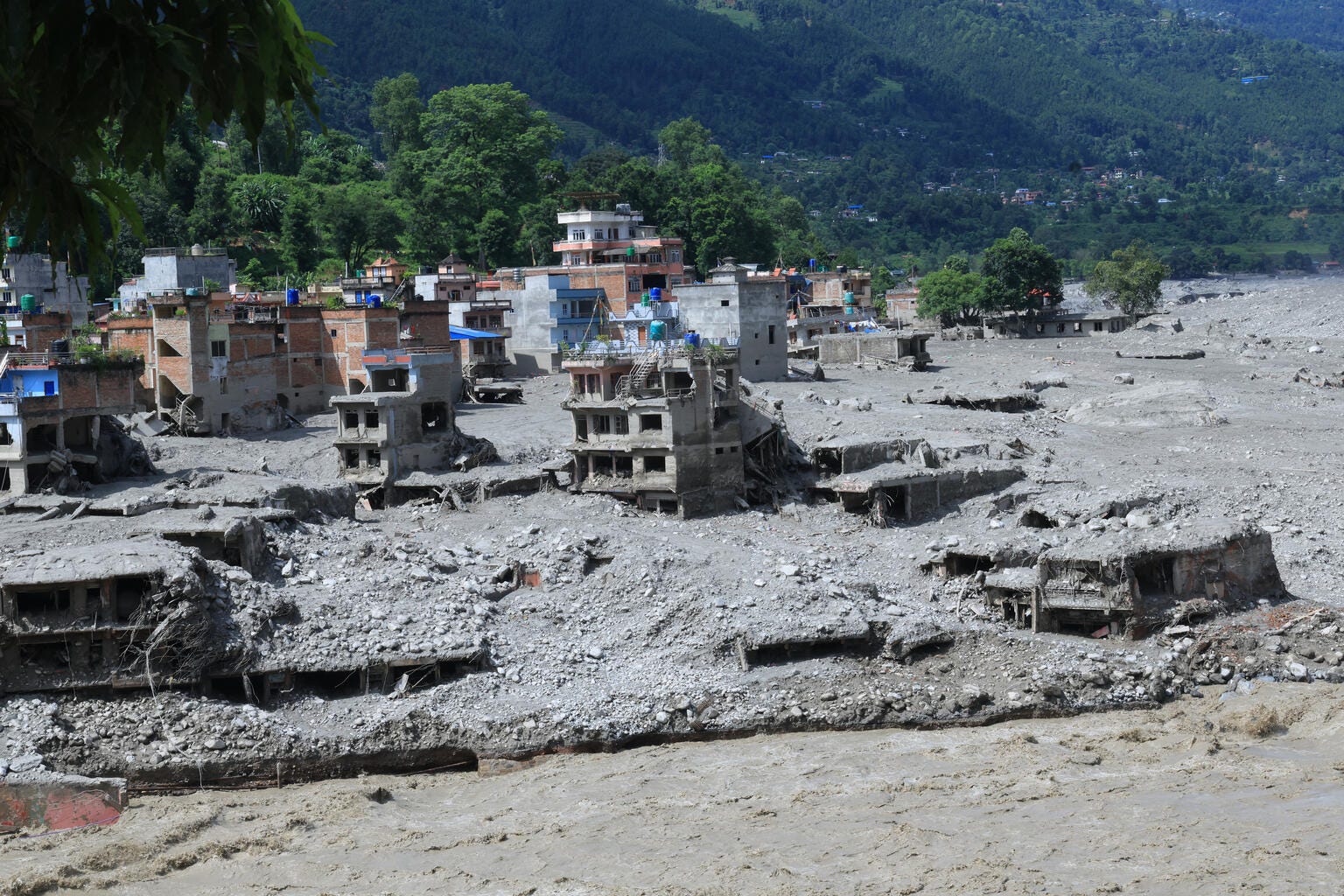
Around 1,400 people have died and 6,150 remain missing in Nepal. The UN fund requires evidence linking losses to climate change, but nearly 120 countries have submitted claims totalling almost $3bn while less than $400m is reportedly available for disbursement. Officials are scheduled to meet in December to decide which requests are accepted.
Sources: BBC, New York Times
Russia and China vetoed a US-backed resolution to renew UN monitoring of sanctions on Iran, ending the Security Council mandate for independent oversight. Eleven members supported extending the mandate while Pakistan and Somalia abstained, but the two permanent members blocked the measure.
The resolution would have extended monitoring of sanctions reimposed last year after Western powers accused Iran of violating the 2015 nuclear agreement. Russia and China said the sanctions had expired and urged a diplomatic end to the US war with Iran, while supporting Tehran’s right to a civilian nuclear programme.
US Ambassador Jennifer Locetta said the vetoes would create a monitoring gap benefiting Iran and those evading sanctions. Iran thanked Russia and China for opposing what it called a politically motivated US resolution. A separate UN nuclear watchdog reported this month that it had been denied access to Iran’s nuclear facilities.
Sources: New York Times, Al Jazeera
Restacking or sharing this publication means more people can read it. Commenting extends the conversation. Liking shows your appreciation.
On this day …
On this day in 2014, Scotland voted on whether to leave the United Kingdom and become an independent country. The result was decisive but not overwhelming: 55.3 per cent voted No and 44.7 per cent voted Yes, with turnout reaching 84.6 per cent.
The referendum followed an agreement between the Scottish and UK governments and gave voters a direct choice over a union stretching back more than three centuries. Twenty-eight of Scotland’s 32 local authority areas voted against independence, although Glasgow was among those voting Yes. Sixteen and seventeen-year-olds were also eligible to participate.
Scotland chose the union in 2014 but the referendum demonstrated that even centuries-old political arrangements ultimately depend on continuing public consent.