


US Pacific Strike Coincides With Venezuela Oil Blockade
Zelenskiy Presses EU to Use Frozen Assets on Ukraine
Putin Signals Military Resolve as US and Russia Plan Talks
US Readies Russia Sanctions If Peace Deal Fails
Australia Plans Tougher Hate Speech Laws After Attack
Study Finds Hydrogen Worsens Methane Climate Impact
Trump Moves to Dismantle US Climate Research Centre
US Approves Record $11.1bn Arms Sale to Taiwan
China Tests EUV Prototype Built In Secret Shenzhen Lab
Lula Threatens to Walk Away From EU-Mercosur Trade Deal
On this day …..
On this day in 1979, the United Nations General Assembly adopted the Convention on the Elimination of All Forms of Discrimination Against Women, known as CEDAW.
The treaty set out international standards on equality in education, employment, health care and political participation. Often described as an international bill of rights for women, it provided a legal framework for challenging discrimination worldwide.
While implementation has varied and enforcement remains uneven, CEDAW marked a decisive shift in how gender equality was framed under international law. Its adoption reflected a growing recognition that women’s rights are inseparable from broader questions of development, governance and justice.
The principles of CEDAW are valuable but what needs to be done to adopt them comprehensively rather than just give them lip service?
It’s the time of year when you are thinking about giving and what better than a subscription to 10 Things Global News for some of your friends & family. You’ll be giving the gift of knowledge to someone who matters to you - even better it’s free.
If you reply to this post or DM us through the app and let us have the e-mail address of the recipient, your name and their name then we will sign them up and send them a nice note advising of the gift from you.
Please only do so if you are confident that they would actually like to receive the newsletter as we don’t want to spam anyone

The United States has carried out another strike on a vessel it said was engaged in drug trafficking in the eastern Pacific, killing four people, according to defence secretary Pete Hegseth. The latest attack brings the reported death toll to 99 since the campaign began in September.
The announcement came a day after President Donald Trump ordered a blockade of all sanctioned oil tankers entering and leaving Venezuela, accusing the country of using oil to fund drug trafficking and other crimes. As a result, the administration is pairing boat strikes with tighter pressure on Venezuelan oil flows.
Venezuela said export operations continue normally, and President Nicolás Maduro raised what he called an escalation of threats with UN secretary-general António Guterres. Meanwhile, China defended Caracas against what it called unilateral bullying, and House Republicans rejected resolutions that would have required Congress to authorise further attacks.
Sources: The Guardian, South China Morning Post

Ukrainian President Volodymyr Zelenskiy has urged European allies to use frozen Russian assets to support Ukraine, saying the move would show Moscow that continuing the war is pointless ahead of a European Union summit on the issue.
He called for a decision on nearly $250bn of Russian sovereign assets frozen in the EU, most of them held in Belgium’s Euroclear, to underpin a loan for Ukraine. However, some European governments have warned that using the funds could expose them to legal risk, despite agreement last week to keep the assets frozen indefinitely rather than renewing the measure every six months.
Meanwhile, pressure is building before a Brussels summit, with European Commission president Ursula von der Leyen saying support for Ukraine’s defence is the most important act of European security. Germany has backed making up to €90bn usable, while Belgium and Italy have cautioned that action without a solid legal basis could trigger retaliation and legal claims from Moscow.
Sources: Reuters, The Guardian

Russian President Vladimir Putin said his forces would secure victory in Ukraine even as Moscow prepares for renewed talks with the United States, underscoring a widening gap between battlefield rhetoric and diplomatic engagement. Speaking to senior military officials, Putin said Russian troops had captured more than 300 localities this year and that the pace of advances would increase.
He said Russia preferred diplomacy but was ready to reclaim what he called its historical territories by military means. He showed little respect for European leaders referring to them as “little piglets”. Putin also reiterated plans for a buffer zone of about 30 kilometres inside northern Ukraine and praised Russia’s arms industry, citing recent tests of advanced missile systems.
Meanwhile, the Kremlin signalled limited openness to discussing the deployment of Western troops in Ukraine, though officials stressed Russia’s categorical opposition remained unchanged. A White House official said US and Russian representatives would meet in Miami this weekend, following parallel talks between US, European and Ukrainian officials in Berlin as Kyiv warned Moscow was preparing for a new year of war.
Sources: South China Morning Post, Kyiv Independent

The United States is preparing a new round of sanctions targeting Russia’s energy sector if President Vladimir Putin rejects a peace deal with Ukraine, according to people familiar with the matter. Options under consideration include measures against vessels in Russia’s so-called shadow fleet of oil tankers and traders who facilitate such exports.
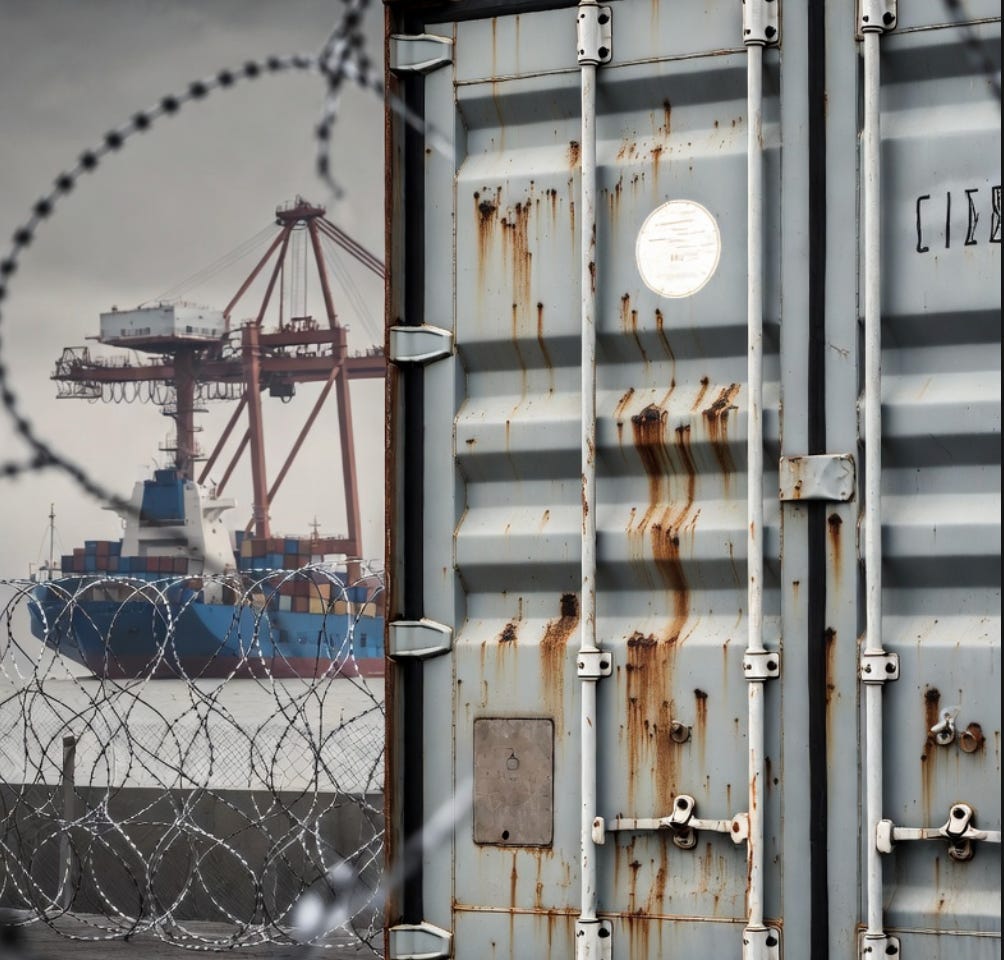
However, US officials stressed that no final decision has been taken. A White House official said President Donald Trump had made no new determinations, adding that agencies were preparing options for the president to execute as talks continue.
Meanwhile, Treasury Secretary Scott Bessent has discussed the possible measures with European ambassadors, and the steps could be announced as early as this week. The Kremlin said it had not seen the report but warned that sanctions harm efforts to improve US-Russia relations as negotiations over Ukraine remain unresolved.
Sources: Reuters, South China Morning Post

Australia’s government has announced new legislation to crack down on hate speech and antisemitism after a deadly attack at a Hanukkah celebration on Bondi Beach. Prime Minister Anthony Albanese said the measures would target those who spread hate, division and radicalisation, including preachers and leaders who promote violence.
The announcement follows Sunday’s attack by two gunmen, which killed 15 people, including a 10-year-old girl, with authorities saying the men appeared motivated by Islamic State-inspired antisemitism. As a result, the government plans to increase penalties for hate speech, list organisations whose leaders promote violence or racial hatred, and lower legal thresholds for dehumanising language.
Meanwhile, powers will allow the home affairs minister to cancel or reject visas for people deemed likely to spread hate and division. The move builds on existing laws strengthened earlier this year and adopts all 13 recommendations of a national plan to combat antisemitism, as scrutiny grows.
Sources: New York Times, Office of Australian Prime Minister

Hydrogen is often promoted as a clean alternative to fossil fuels because it emits only water vapour when used, but new research suggests it has contributed to global warming. A study published in Nature found that rising hydrogen emissions have indirectly increased temperatures by helping methane remain longer in the atmosphere.
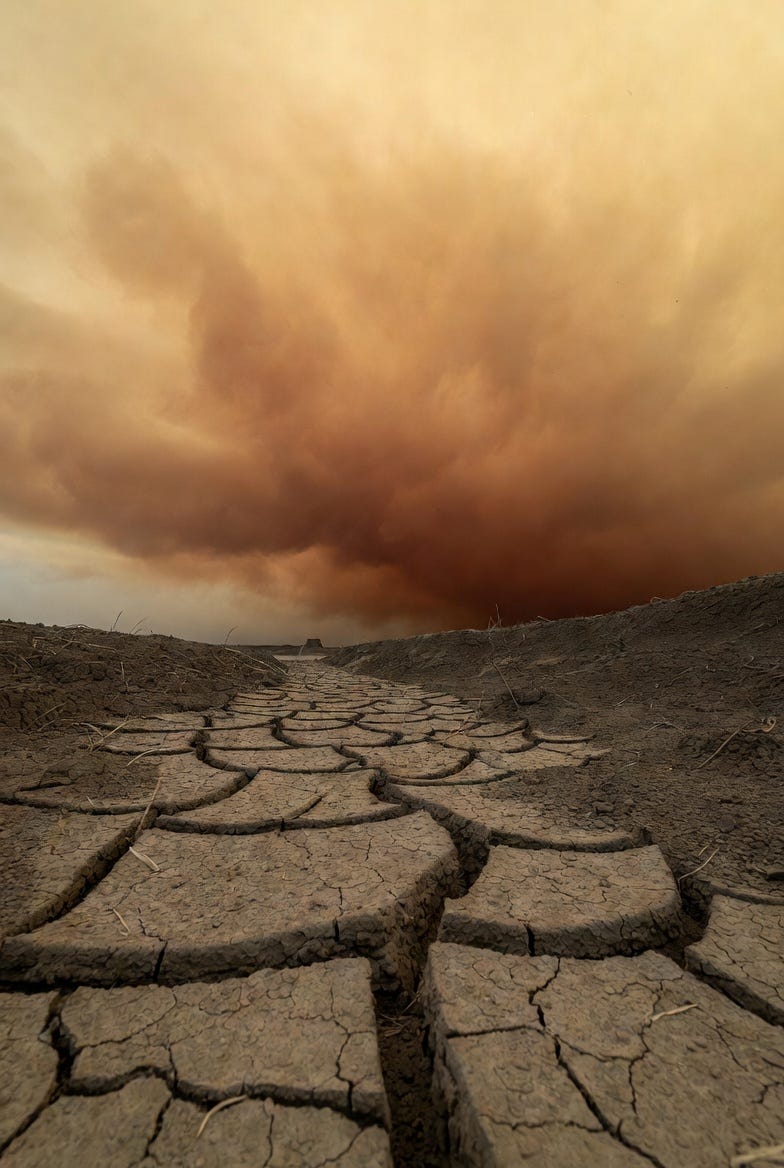
Emissions of hydrogen rose between 1990 and 2020 and contributed about 0.02C to the nearly 1.5C increase in average global temperatures since the pre-industrial period, the researchers said. The study found the increase is mostly driven by human activity, including fossil fuel use, livestock and landfills, which raise methane levels.
However, scientists said hydrogen itself is not a greenhouse gas but reduces atmospheric detergents that normally break down methane, allowing it to persist and warm the climate for longer. As a result, the authors said limiting leaks from hydrogen production and cutting methane emissions will be key to building a climate-safe hydrogen economy.
Sources: France 24, Carbon Brief

The Trump administration plans to dismantle the National Center for Atmospheric Research in Boulder, arguing that its work promotes climate alarmism. Officials said the National Science Foundation would break up the centre and relocate any vital services, following reports that the Mesa Laboratory employing about 830 people would be closed.
However, scientists and state officials warned the move would damage weather forecasting and climate modelling that protect lives and property. UCAR president Antonio Busalacchi said closing the centre would set back the ability to predict and respond to severe weather, while Colorado governor Jared Polis said public safety would be at risk.
Meanwhile, the administration framed the decision as a restructuring of funded research, with OMB director Russ Vought calling NCAR a major source of climate alarmism. Democratic lawmakers described the plan as reckless and said they would fight it, as the White House continues an effort to cut or dismantle climate focused federal labs.
Sources: Axios, The Independent

The United States has approved an $11.1bn arms package for Taiwan, the largest weapons sale to the island to date, as Beijing steps up military pressure. The package is the second approved under President Donald Trump’s current administration.
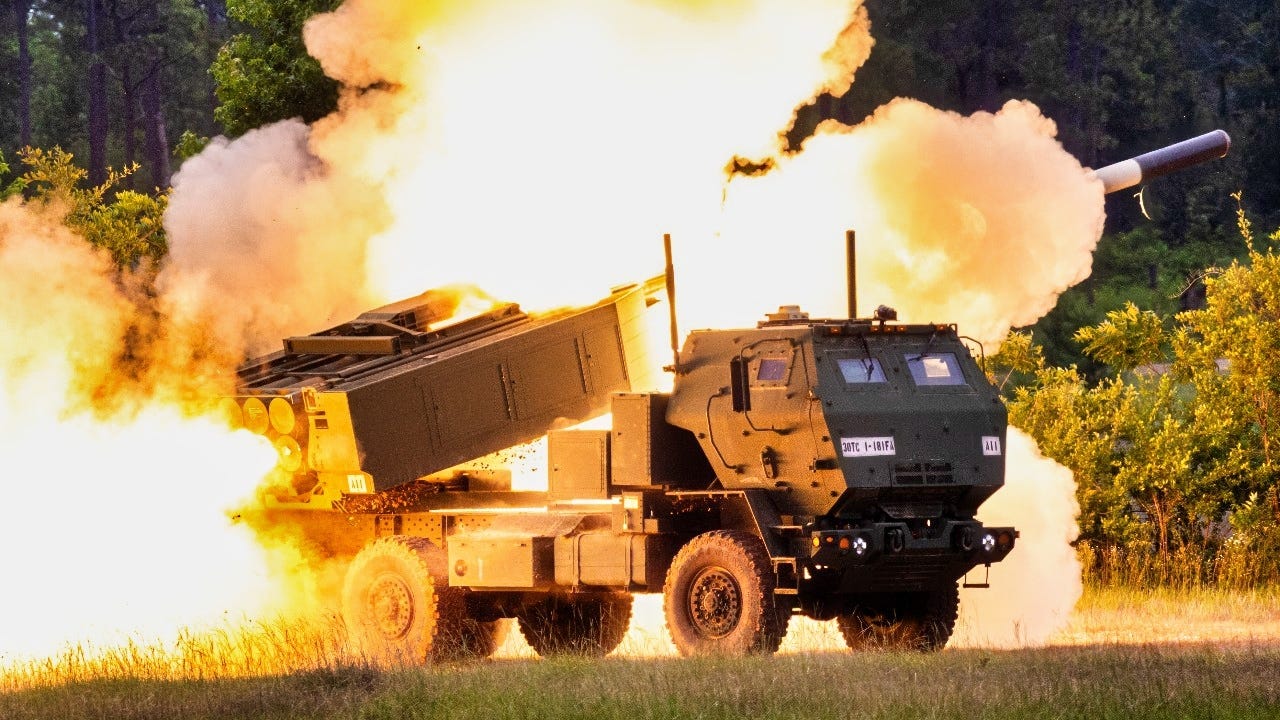
It includes eight categories of equipment such as HIMARS rocket systems, howitzers, Javelin anti-tank missiles, loitering munition drones and spare parts, according to Taiwan’s defence ministry. The proposal is now at the congressional notification stage, where lawmakers can block or amend the sale.
Meanwhile, US officials said the sale supports Taiwan’s effort to modernise its forces and maintain a credible defensive capability under US law. Taiwan said it would continue defence reforms, while China reiterated its opposition to US arms sales to the island. Washington said the deal serves US national, economic and security interests and strengthens deterrence in the region.
Sources: Japan Times, Al Jazeera

In a high-security Shenzhen laboratory, Chinese scientists have built a prototype of an extreme ultraviolet lithography machine, Reuters has learned. Completed in early 2025 and now undergoing testing, it was built by former engineers from Dutch chipmaker ASML who reverse-engineered EUV systems.
The prototype is operational and generating extreme ultraviolet light, however it has not yet produced working chips. Sources said China’s government set a goal of producing working chips by 2028, though people close to the project said 2030 is more realistic, with major technical challenges still unresolved.
The secret project is part of a six-year initiative for semiconductor self-sufficiency, with Huawei coordinating companies and state research institutes involving thousands of engineers, according to sources. Meanwhile, the US has strengthened enforcement of export controls, and ASML said no EUV system has ever been sold to a customer in China.
Sources: Reuters, Engadget

Brazilian President Luiz Inacio Lula da Silva warned that Brazil will abandon the EU-Mercosur trade agreement if it is not finalised this month, after Italy joined France in seeking a delay. The intervention came as the European Union had expected approval in time for a signing ceremony in Brazil later this week.
Lula said Brazil had already made all possible diplomatic concessions and would not return to the table under his presidency if the deal stalled. He issued the warning during a cabinet meeting, arguing that hesitation by European partners risked collapsing a pact more than two decades in the making.
Meanwhile, divisions inside the EU remain sharp. France and Italy said they were not ready to sign, citing concerns over agricultural safeguards, while Germany pushed for approval by year’s end. EU leaders are set to discuss the issue at a Brussels summit, as pressure builds to decide whether the agreement proceeds or unravels.