


Trump Heads To Asia For Landmark Three-Way Summit (Diplomacy)
Japan & Korea Scramble Fighters After Russian Airspace Incursion (Asia)
Ukraine Strikes Kerch Bridge Amid Record Drone Barrage (Conflict)
Vance Rejects Long Iran War As Third US Carrier Arrives (Geopolitics)
US Intelligence Warns of Possible Iran Dirty Bomb Attack Plot (US)
Houthi Advance Threatens Key Red Sea Shipping Route (Middle East)
UN Talks Face Deadlock Over Autonomous Weapons (UN)
EU Sanctions Russia’s Richest Woman Over Wildberries (Europe)
Five EU Countries Plan Rwanda Migrant Return Hub (Europe)
Netanyahu Allies Face Election Interference Allegations (Middle East)
A succinct daily briefing delivered each weekday to help you stay on top of the stories shaping the world.

US President Donald Trump is heading to Asia for talks with regional allies before a three-way summit with Chinese President Xi Jinping and Russian President Vladimir Putin, with nuclear arms, Iran and Ukraine on the agenda. The trip follows Republican losses in the US midterm elections and comes amid scrutiny of the administration’s handling of Nvidia.
Trump is due in Manila on Tuesday for his first meeting with the Quad leaders of Japan, Australia and India. The group has not met at leader level for two years. Its discussions could cover maritime security, export restrictions, critical minerals and artificial intelligence, ahead of Trump’s participation in a US-ASEAN summit.
He will then travel to Shenzhen for the APEC forum and Thursday’s trilateral talks. Ukrainian President Volodymyr Zelenskyy has warned against any redistribution of global influence, while China has described the meeting as significant for international stability.
Sources: Associated Press, Reuters

Japan scrambled fighter jets and protested to Moscow after two suspected Russian military aircraft entered Japanese airspace near Okinoshima island off Fukuoka early Tuesday. The Defense Ministry said the planes entered separately for several minutes, prompting warnings from Japanese fighters before continuing through the Tsushima Strait towards the western Pacific.
South Korea also deployed fighters after several Russian military aircraft entered its air defence identification zone over the Sea of Japan. Seoul said the aircraft did not violate South Korean territorial airspace, distinguishing its response from Japan’s reported incursion. Chief Cabinet Secretary Minoru Kihara called the apparent violation of Japanese sovereignty unacceptable and said Tokyo had lodged a strong diplomatic protest.
The incidents occurred ahead of a planned meeting between the leaders of Russia, China and the United States at the APEC forum in Shenzhen. Japan and Russia remain divided over disputed islands northeast of Hokkaido, a longstanding obstacle to a peace treaty.
Sources: Japan Times, Chosun

Ukraine struck the Kerch bridge linking Russia with occupied Crimea during a massive overnight drone assault, temporarily restricting traffic across the strategic crossing. Crimea’s Moscow-appointed governor, Sergei Aksyonov, confirmed the attack, while Kremlin spokesperson Dmitry Peskov said minor damage was being assessed. Reports differed over the extent of damage, and roughly 2,000 vehicles were reportedly stranded.
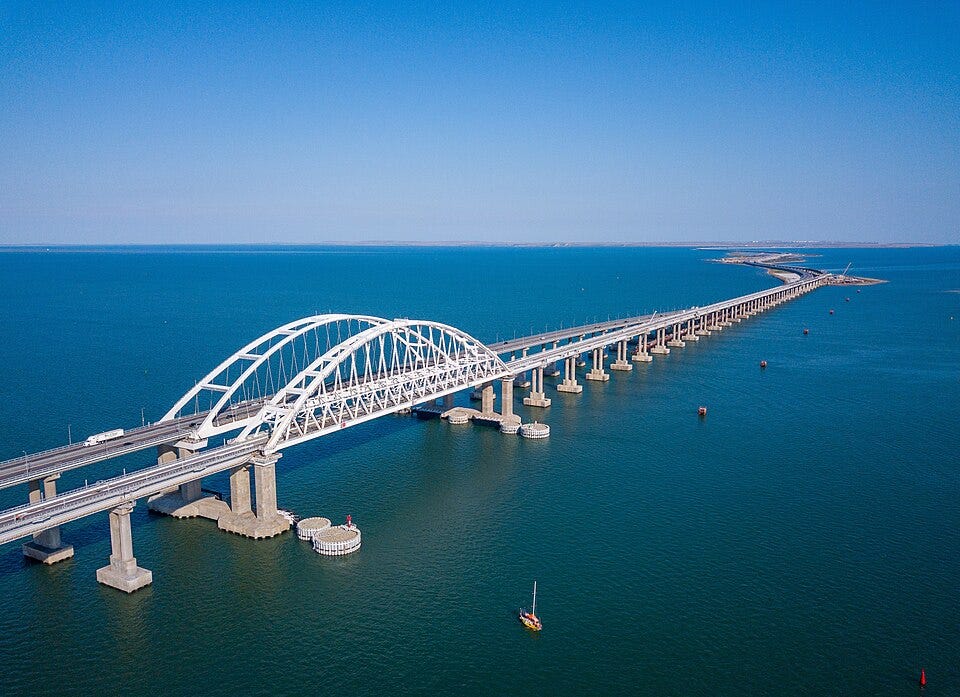
Russian officials said their forces intercepted 2,049 drones and four long-range missiles over 24 hours, describing the barrage as the largest Ukrainian drone attack of the war. Ukrainian drones also struck energy facilities, including an oil refinery in southern Russia where six people were injured. Kyiv meanwhile faced repeated Russian air raids, with at least seven people killed and power cut to 50,000 residents.
The escalation followed renewed diplomatic talks that have made little progress. Moscow continues to demand Ukrainian territorial concessions, while Kyiv has rejected surrendering territory.
Sources: BBC, The Guardian

US Vice President JD Vance has insisted the conflict with Iran will not become a prolonged war, even as a third American aircraft carrier arrives in the Middle East. The USS Theodore Roosevelt joins two other carriers while diplomatic efforts to end hostilities and reopen the Strait of Hormuz remain stalled.
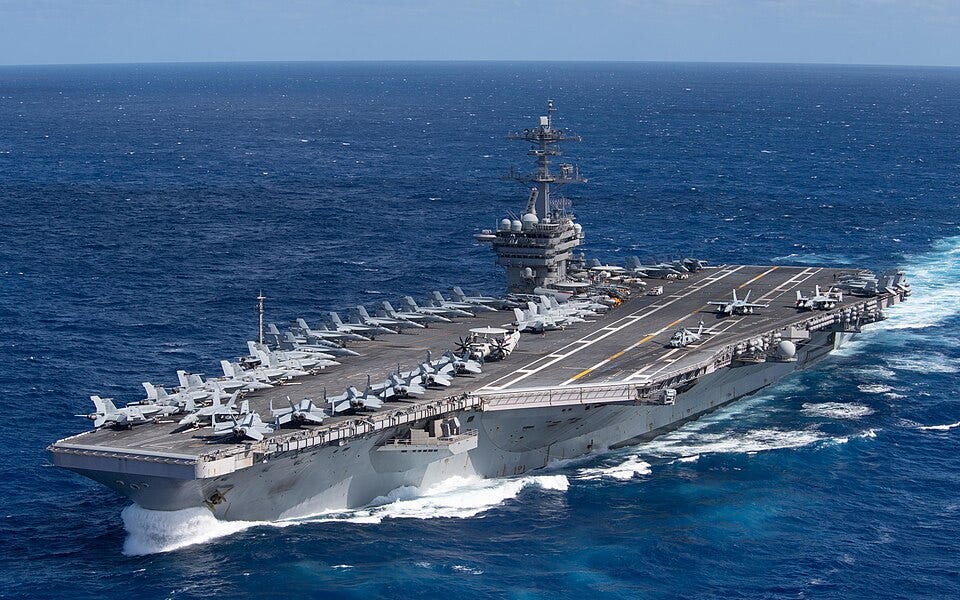
Vance said President Donald Trump would not allow the conflict, launched with Israel in February, to become even a two-year commitment. His comments followed Republican midterm losses, which he has blamed on the war. A recent poll found 71% of Americans want the incoming Congress to legislate an end to the conflict.
Trump has described renewed strikes as unlikely while maintaining a naval blockade and economic sanctions. Iranian Deputy Foreign Minister Kazem Gharibabadi warned Tehran would not wait to be attacked first. The deployment underscores the gap between Washington’s assurances of an eventual exit and its continuing military build-up.
Sources: The Independent, Al Jazeera

US intelligence indicates Iran is considering plans to attack senior Trump administration officials in Washington using a radioactive dirty bomb or chemical weapon, according to seven American officials. The intelligence reportedly identifies potential targets and locations but officials say there is no evidence Tehran has decided to proceed or has the personnel to carry out an attack.
White House spokesperson Lauren Bis said there were currently no credible threats to the US homeland. Iran’s UN mission rejected allegations concerning chemical weapons but did not directly address the reported dirty bomb planning. US authorities have nevertheless held contingency meetings, while intelligence suggesting bomb-making materials may already be inside the country remains disputed.
The warnings emerge amid stalled negotiations to end the US-Iran war and lift Washington’s blockade of Iranian ports. Officials are also assessing separate intelligence concerning possible chemical attacks on American troops in the Middle East, raising concerns about the conflict extending beyond its current theatres.
Sources: CNN, Times of India

Iran-backed Houthi rebels have gained control of Yemen’s Bab al-Mandab Strait after Saudi-backed government forces withdrew from the Red Sea coast to defend Aden. The strategic waterway normally carries around 12% of global trade and the advance threatens to further disrupt shipping already affected by the US-Iran war.
Saudi Arabia had diverted oil exports through its East-West Pipeline to the Red Sea port of Yanbu after Iranian attacks restricted traffic through the Strait of Hormuz. However, the collapse of a truce with the Houthis in July brought renewed attacks on Saudi infrastructure, including the pipeline, while the rebels advanced along Yemen’s western coastline.
The retreat has exposed divisions among anti-Houthi forces, with southern separatists accusing Riyadh of poor military strategy. More than 300,000 Yemeni civilians have been displaced. The Houthis’ expanded coastal control raises further concerns over shipping security and regional stability.
Sources: BBC, The Guardian

Representatives from 128 countries are meeting in Geneva to consider legally binding restrictions on autonomous weapons capable of selecting and killing targets without human intervention. At least 50 countries support a timetable for binding rules but the United States, Russia and Israel oppose such measures, threatening progress under a UN process requiring consensus.
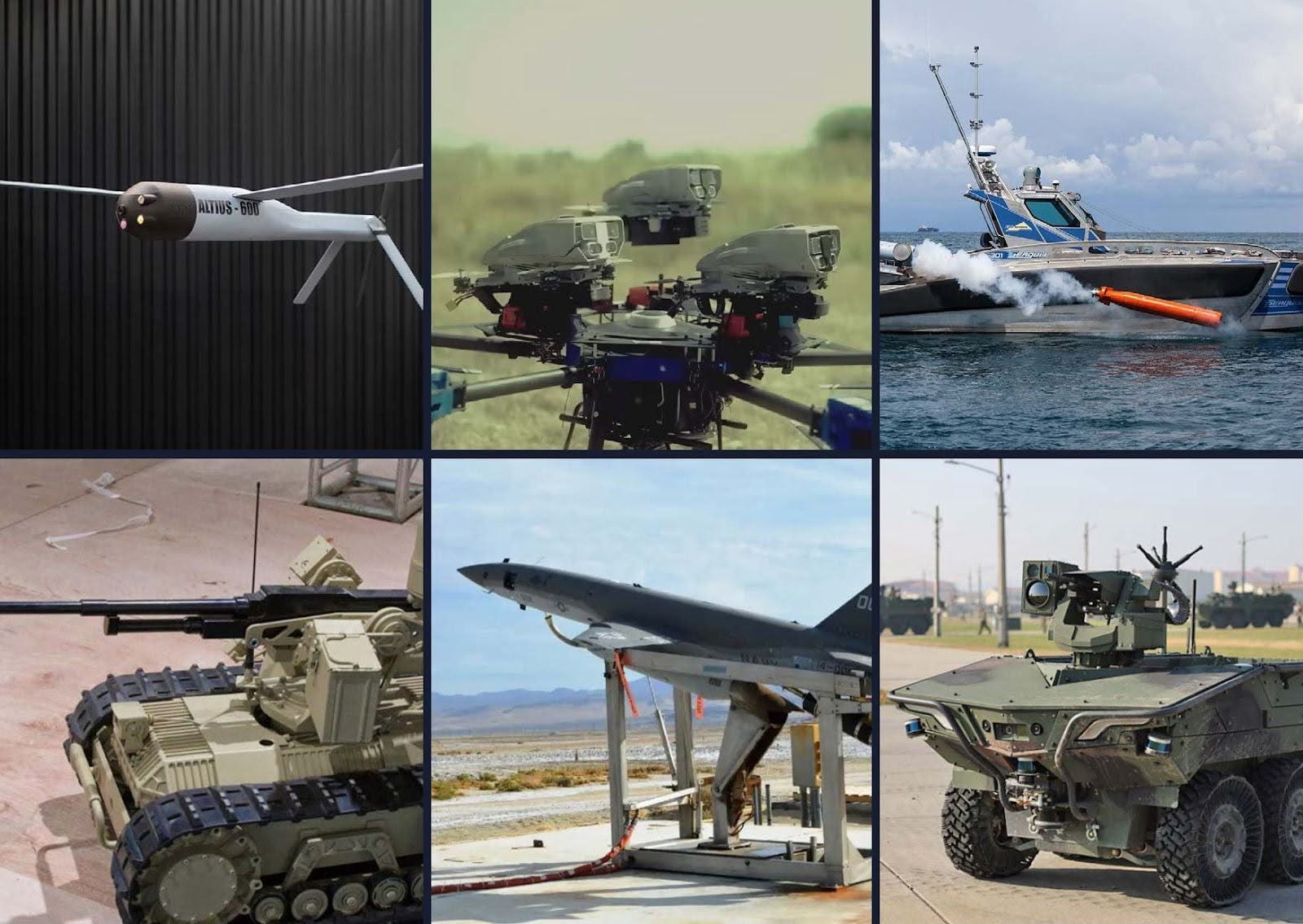
The debate has become increasingly urgent as AI-assisted weapons are deployed in Ukraine. Drones already use automated targeting when communications with human operators are disrupted, while Ukrainian investigators believe Russian drones involved in a deadly September attack operated entirely autonomously. Humanitarian organisations warn that such systems may struggle to distinguish combatants from wounded or surrendering soldiers.
UN Secretary-General Antonio Guterres has called autonomous killing a moral red line. Washington instead proposes five years of negotiations on non-binding guidelines, while diplomats are considering compromises that could leave individual countries free to adopt different standards.
Sources: NPR, France 24

The EU has sanctioned Tatyana Kim, Russia’s richest woman and founder of its largest online retailer, Wildberries, accusing the company of facilitating sales of military and dual-use goods. The measures freeze her EU assets and prohibit financial transactions and travel to the bloc.
Kim founded Wildberries in 2004, building it into a major consumer marketplace and one of Russia’s largest taxpayers. Ukrainian forces struck its warehouses this summer, alleging they supplied equipment for Russia’s military. Kim and the Kremlin denied the company’s involvement in the war. Wildberries said the sanctions would not affect its operations because it has no EU assets or business there.
The latest measures also target Russian banks, oil refineries and businesses linked to the shadow fleet used to export Russian oil. Brussels is seeking to restrict revenues supporting Moscow’s war in Ukraine, extending its sanctions campaign beyond energy and finance into a major consumer platform.
Sources: FT, DW

Germany, Austria, Greece, Denmark and the Netherlands have unveiled plans to establish a migrant return centre in Rwanda, extending European efforts to deport people whose asylum claims have been rejected. The proposed facility would initially accommodate about 100 people, with operations potentially beginning in 2027.
The arrangement, still under negotiation, would apply only to people who have exhausted their legal avenues to remain in the EU. Migrants could return home, settle in Rwanda or move elsewhere where they have permission to stay. Danish Prime Minister Mette Frederiksen called the proposal a potential game changer for migration policy.
Human rights organisations condemned the plan, citing Rwanda’s record of repression and concerns about transferring responsibility for migrants’ welfare outside Europe. German Interior Minister Alexander Dobrindt insisted it would comply with European and German law. The initiative follows EU reforms intended to accelerate deportations, amid growing political debate over irregular migration.
Sources: South China Morning Post, AFP

Israeli Prime Minister Benjamin Netanyahu faces allegations that his aides helped trigger arrests of Arab party activists on the day of Israel’s October 27 election, after he accused Arab parties of stealing the vote. An Israeli television investigation alleged his chief of staff contacted police ahead of raids on three activists suspected of electoral bribery.
All three were released, with courts finding the arrests lacked valid warrants. The investigation also alleged that Shin Bet chief David Zini sought permission to wiretap five Arab lawmakers but the attorney general refused. Netanyahu’s office acknowledged contacting police but denied interfering, saying it had passed on information about suspected criminal activity.
Opposition leader Gadi Eisenkot demanded an investigation, while police announced an internal examination and the attorney general began considering the allegations. The controversy complicates discussions over a possible unity government following Netanyahu’s loss of his parliamentary majority.
Sources: Washington Post, CNN
Restacking or sharing this publication means more people can read it. Commenting extends the conversation. Liking shows your appreciation.
On this day …
On this day in 1869, the Suez Canal officially opened in Egypt, creating a direct maritime connection between the Mediterranean and Red Seas and transforming international shipping.
Built over approximately ten years, the canal eliminated the need for vessels travelling between Europe and Asia to sail around Africa’s Cape of Good Hope. It significantly reduced journey distances and strengthened Egypt’s strategic importance in global commerce.
Control of the waterway subsequently became a major geopolitical issue, contributing to British involvement in Egypt and the Suez Crisis of 1956.
More than 150 years later, the canal remains a critical artery for international trade, demonstrating the enduring strategic importance of maritime chokepoints.