


Gulf Strikes Expose Fragility Of Oil Supply Routes
Europe Rejects Trump Hormuz Security Push
Trump Rebukes Allies Over Hormuz Reluctance
Trump Ignored Warnings Of Iran Retaliation
Europe Warns Israel Over Lebanon Ground Push
Trump Delays Xi Summit As Iran War Dominates
Afghanistan Blames Pakistan For Kabul Hospital Strike
Trump Pressures Havana As Blackout Deepens
Maiduguri Blasts Kill 23 In Rare City Attack
Judge Blocks Trump Vaccine Policy Overhaul
Iranian drone and missile strikes on United Arab Emirates infrastructure have intensified pressure on global energy supply chains, hitting the Fujairah oil hub and disrupting operations near Dubai airport. Oil loading at Fujairah was temporarily halted after a drone strike caused a fire, while flights were suspended following a separate incident. The attacks come amid a broader escalation, with over 1,900 missiles and drones launched at the UAE since the war began.
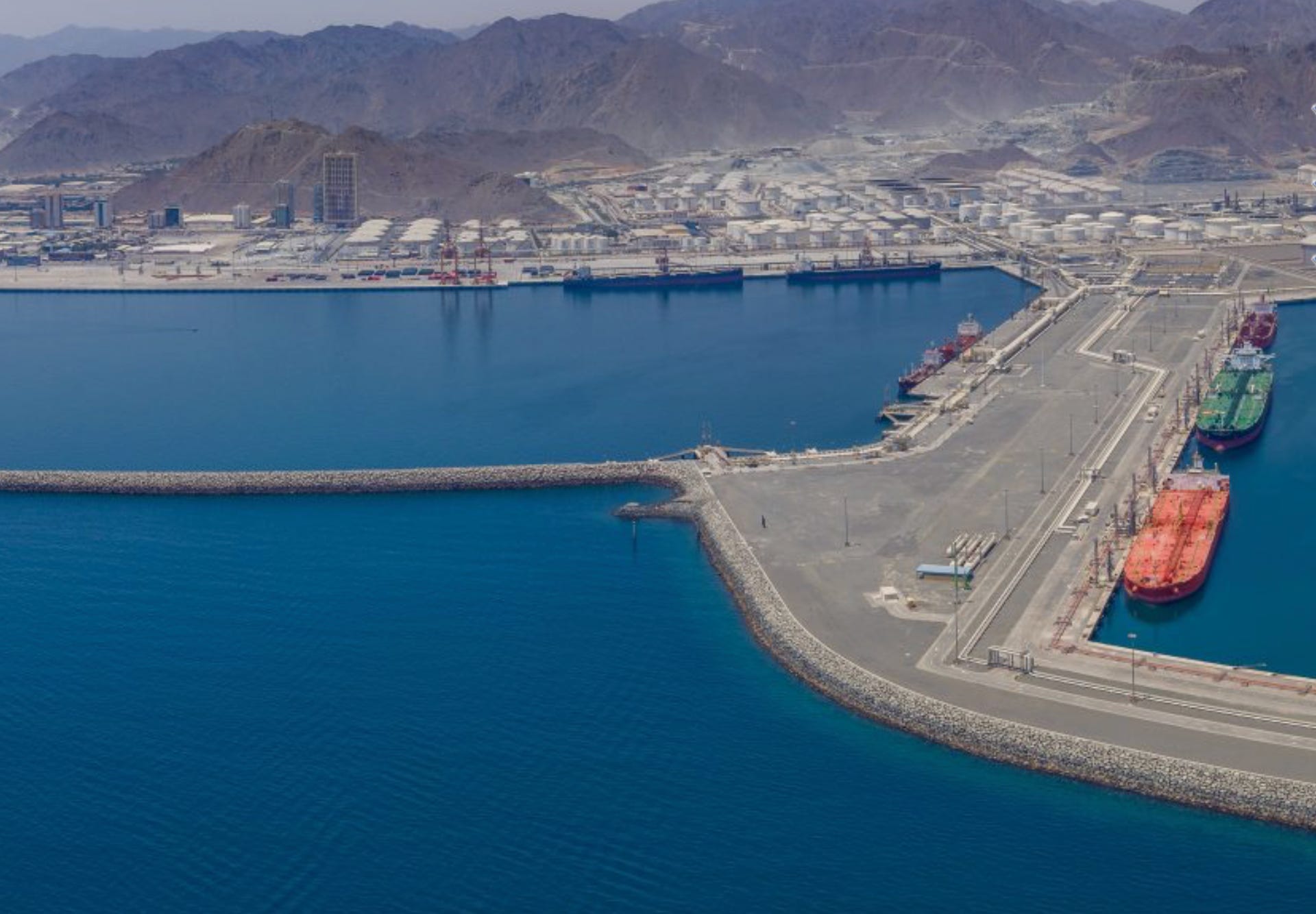
The strikes highlight the strategic vulnerability of Gulf energy routes as conflict around the Strait of Hormuz disrupts flows. The waterway carries about a fifth of global oil, and restrictions have already forced producers including the UAE and Kuwait to reduce output. Prices have surged about 40% in two weeks, while alternative export routes such as pipelines are being used to bypass the chokepoint, underscoring the growing risk to global supply stability.
Sources: Bloomberg, BBC

European leaders rejected President Donald Trump’s demand that allies help secure the Strait of Hormuz, resisting pressure to join military operations as oil prices climbed. Foreign ministers meeting in Brussels discussed extending the European Union’s Aspides naval mission, the EU military operation in response to Houthi actions against international shipping, but said there was no appetite to change its mandate to send warships into the strait. Officials repeatedly said Europe was not part of the war and did not start it.
The refusal is significant because the waterway, through which about one-fifth of the world’s oil is transported, remains effectively closed amid the conflict. Oil has risen above $100 a barrel, increasing pressure on European governments even as they avoid involvement.
Some leaders said any request should come through NATO channels or focus on diplomacy and de-escalation rather than combat. But the message from Brussels, Berlin and London was consistent: Europe sees the conflict as an American and Israeli choice, not a mission it is willing to own.
Sources: Politico Europe, Al Jazeera

Donald Trump sharply criticised US allies for refusing to help secure the Strait of Hormuz, accusing long-standing partners of lacking “enthusiasm” despite years of US protection. He said he had asked countries to send warships to keep the route open but some declined, framing their reluctance as a failure to reciprocate US security commitments. The strait, which carries crude oil, fertilisers and liquefied natural gas, has been disrupted by Iranian drones, missiles and mines following US and Israeli strikes.
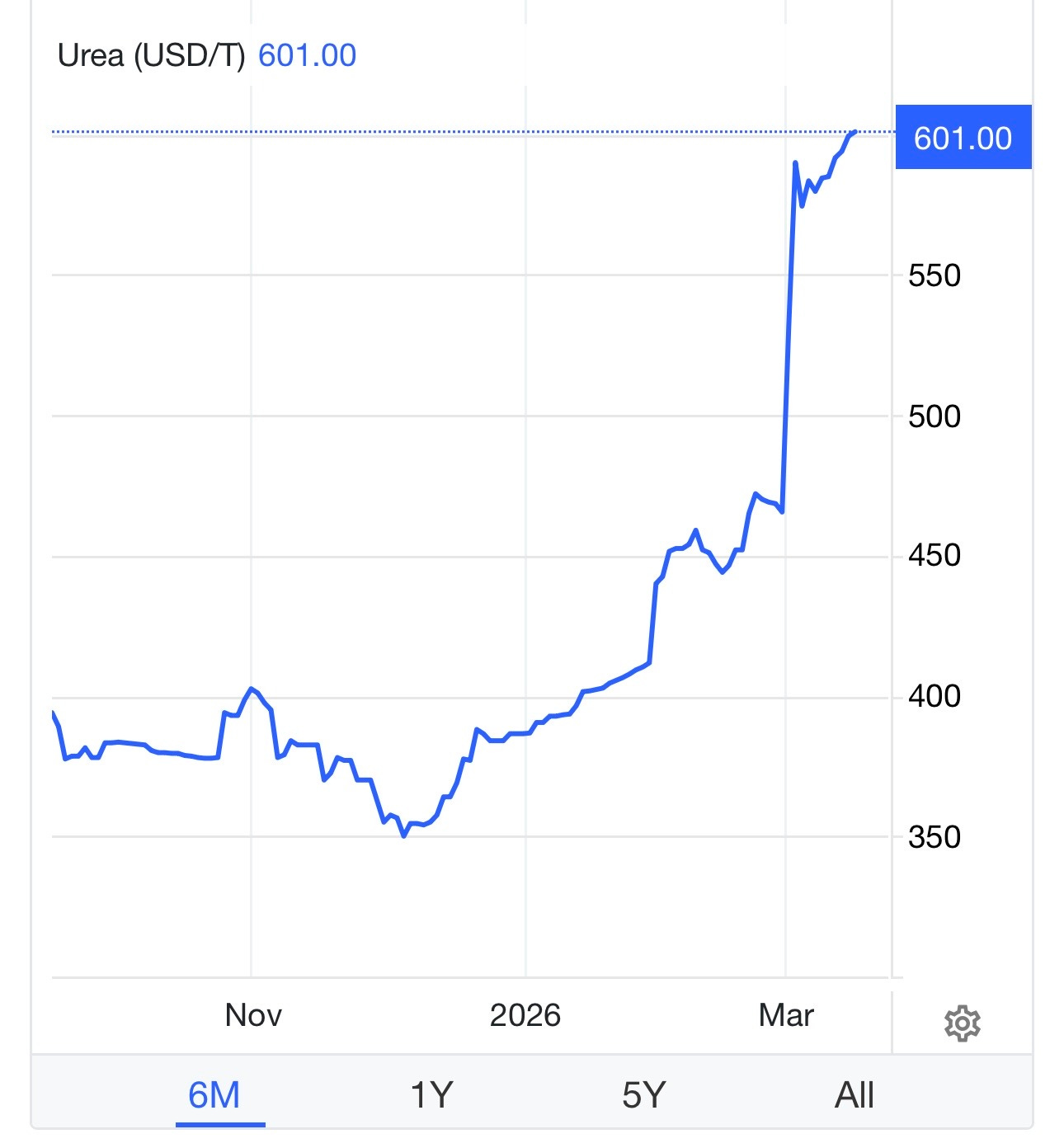
Trump said some countries were willing to assist but emphasised that “the level of enthusiasm matters”, highlighting frustration with those unwilling to get involved. His remarks come as the war enters its third week and energy markets face sustained pressure, with oil prices rising as supply risks increase. The episode places Trump’s criticism of allies at the centre of the crisis, rather than the operational effort to reopen the route.
Sources: RTE, France 24

Donald Trump was warned before striking Iran that Tehran could retaliate against United States allies in the Gulf, according to a US official and sources familiar with intelligence reports. Pre-war assessments did not say such a response was certain, but said it was among the potential outcomes. Trump nevertheless said twice on Monday that Iran’s strikes on Gulf states had come as a surprise and that nobody had expected them.
The warning matters because it raises further questions about how the risks of the war were assessed and presented. Intelligence briefings also said Iran would likely seek to close the Strait of Hormuz, through which 20% of oil supplies move.
Since the conflict began, Iranian drones and missiles have struck Gulf states including Qatar, Saudi Arabia, the United Arab Emirates, Bahrain and Kuwait, while shipping through the strait has been largely halted. The disruption has driven global energy prices higher and widened fears of a broader regional conflict.
Sources: Reuters, i24 News

European leaders warned Israel against expanding its operations in Lebanon, saying a significant ground offensive would have devastating humanitarian consequences and risk a protracted conflict.
In a joint statement, Canada, France, Germany, Italy and the United Kingdom urged Israeli and Lebanese representatives to negotiate a political solution and called for immediate de-escalation. The warning came after Israel said it had begun limited and targeted ground operations against Hezbollah strongholds in southern Lebanon.
The intervention reflects growing concern that the fighting could widen further as Lebanon is pulled deeper into the regional war. Since early March, Israeli bombardments have killed more than 880 people in Lebanon and displaced more than 1 million, with more than 130,000 people living in collective shelters. The five governments also condemned Hezbollah attacks while backing efforts by the Lebanese government to disarm the group, signalling support for containment rather than a broader Israeli campaign.
Sources: Politico Europe, Reuters
Donald Trump has asked Beijing to delay his planned meeting with Xi Jinping by about a month, saying he needs to remain in Washington to oversee the Iran war. The summit had been scheduled for March 31 to April 2. Trump said the request was straightforward and not linked to trade disputes, while Treasury Secretary Scott Bessent said travel abroad was not optimal while the United States coordinates its war effort.
The postponement matters because it shows how the conflict is beginning to displace other major foreign policy priorities. The war has disrupted global oil supply, the Strait of Hormuz has been closed, and prices have risen sharply, adding pressure in the United States before midterm elections.
Although recent talks in Paris produced consensus on some trade issues, the delay casts doubt over the timing of a high-stakes leader-level meeting between the world’s two largest economies.
Sources: FT, BBC

Afghanistan accused Pakistan of carrying out an airstrike on a drug rehabilitation hospital in Kabul that officials said killed at least 400 people and injured about 250. The strike hit late Monday, destroying large sections of the facility and prompting rescue teams to search the rubble while firefighters battled flames. Afghan officials said many of the dead and wounded were patients, while Pakistan denied hitting a hospital and said its forces had targeted military installations and terrorist support infrastructure.
The attack marked a sharp escalation in a conflict that began late last month and has already brought repeated cross-border clashes and airstrikes inside Afghanistan.
Hours before the strike, Afghan officials said fighting along the border had killed four people in Afghanistan. International calls for a ceasefire have gone unheeded as both sides accuse each other of supporting cross-border attacks.
Sources: The Guardian, NBC News

Donald Trump intensified pressure on Cuba on Monday, saying it would be “a great honor” to “take Cuba in some form” and that he could “do anything” he wanted with the island. The remarks came as Cuba endured a nationwide blackout and continued bilateral contacts with Washington. Cuba’s national electric system suffered a “complete disconnection” on Monday, leaving about 10 million people without power, while only a small part of Havana had electricity restored by nightfall.
The blackout deepened a crisis already worsened by three months without fuel imports. Cuba said talks with the United States must be based on equality, respect, sovereignty and self-determination, even as Washington cut off Venezuelan oil shipments to the island and threatened tariffs on countries that sold oil to Cuba. The result is a mix of open talks, harsher rhetoric and a deepening internal emergency.
Sources: MercoPress, The Guardian

Multiple blasts hit Maiduguri in northeastern Nigeria on Monday night, killing at least 23 people and injuring 108 others, according to police. The explosions struck the entrance of the University of Maiduguri Teaching Hospital and two local markets, Post Office and Monday Market. Authorities said preliminary investigations pointed to suspected suicide bombers. No group has claimed responsibility.
The attack gains significance because Maiduguri, once the scene of frequent bombings, had been relatively calm in recent years after military operations. The blasts came as Boko Haram and the ISIL affiliate in West Africa Province intensified attacks on army bases across Borno this month, while the military said it had repelled attacks by suspected fighters on the outskirts of the city earlier on Monday. Borno State Governor Babagana Zulum condemned the bombings and linked the recent surge in attacks to intense military operations in the Sambisa forest.
Sources: Al Jazeera, Associated Press

A federal judge has temporarily blocked key elements of a Trump administration effort to reshape US vaccine policy, halting plans to reduce the number of routine childhood immunisations and suspend a newly formed advisory panel. The ruling found that Health Secretary Robert F. Kennedy Jr., appointed by Donald Trump, likely violated federal procedures when revamping the committee and altering long-standing recommendations.
The decision also froze appointments to the advisory panel and invalidated its recent actions, after the court determined it was not lawfully constituted and lacked sufficient expertise. The changes had already caused confusion, with medical groups and states continuing to follow previous guidance.

The administration is expected to appeal, framing the ruling as another attempt to block its agenda. The episode places Trump’s health policy direction under direct judicial scrutiny as legal challenges intensify.
Sources: Reuters, Associated Press
On this day ….
On this day in 1969, Golda Meir became prime minister of Israel, becoming one of the first women to lead a modern state. A veteran of the Zionist movement and a founding figure in Israeli politics, Meir assumed office during a period of intense regional tension following the 1967 Arab–Israeli War.
Her tenure would later be defined by the 1973 Yom Kippur War, which exposed major intelligence failures and prompted deep political debate within Israel.
Meir’s leadership marked a pivotal chapter in the country’s political development and placed a woman at the centre of Middle Eastern diplomacy and conflict during the Cold War era.
More than five decades later, her premiership continues to shape debates about leadership, accountability, and security in Israeli politics.