


Zelenskyy Says Peace Proposals Ready for Russia Soon
Western Guarantees Would Allow Troops to Repel Russia
Trump Orders Blockade of Sanctioned Venezuelan Oil Tankers
Lawmakers Split Over Access to US Boat Strike Footage
New South Wales Moves on Gun Laws After Bondi Attack
South Korea Weighs Standalone US Nuclear Submarine Deal
EU Widens Carbon Border Levy to Close Loopholes
Arctic Report Shows Rapid, Widespread Environmental Change
Trump Expands Travel Ban to More Than 35 Countries
Satellite Evidence Points to RSF Cover-Up of Mass Killings in Sudan
On this day …..
On this day in 1903, Wilbur and Orville Wright achieved the first successful powered, controlled flight near Kitty Hawk, North Carolina.
The aircraft stayed airborne for just seconds, but it proved that heavier-than-air flight was possible. Within a generation, aviation would transform warfare, commerce, diplomacy and global travel.
What began as an experimental breakthrough by two bicycle mechanics reshaped how states projected power and how societies connected across distance.
The modern world’s reliance on air travel and air power traces back to this moment.
Few technological advances have altered geopolitics and daily life so rapidly or so completely.
It’s the time of year when you are thinking about giving and what better than a subscription to 10 Things Global News for some of your friends & family. You’ll be giving the gift of knowledge to someone who matters to you - even better it’s free.
If you reply to this post or DM us through the app and let us have the e-mail address of the recipient, your name and their name then we will sign them up and send them a nice note advising of the gift from you.
Please only do so if you are confident that they would actually like to receive the newsletter as we don’t want to spam anyone
Volodymyr Zelenskyy said proposals negotiated with US officials to end Russia’s war in Ukraine could be finalised within days, after which American envoys will present them to the Kremlin. He said a draft peace plan discussed in Berlin was “not perfect” but “very workable”, while warning that what happens to Ukrainian territory occupied by Russian forces remains unresolved.
Zelenskyy said Ukraine and the US were preparing up to five documents, with some focused on security guarantees that would be legally binding and voted on by the US Congress. He said the guarantees would “mirror article 5” of Nato, and that after the Berlin talks there was a “demonstration of unity” among the US, Europe and Ukraine.
However, Kremlin spokesman Dmitry Peskov said Russia had not seen any texts yet, and Russia’s deputy foreign minister Sergei Ryabkov said Russia would not agree to troops from Nato countries operating in Ukraine “under any circumstances”.
Sources: Associated Press, The Guardian

German Chancellor Friedrich Merz said Western peacekeepers could repel Russian forces if Moscow violated a future ceasefire in Ukraine, describing the idea as a distant but significant shift. Speaking after talks in Berlin with President Volodymyr Zelenskiy, Merz said US and European guarantors would be expected to secure a demilitarised zone and act against Russian incursions if ceasefire terms were breached.
As a result, the proposal signals a stronger deterrent model than earlier security assurances. According to US and European officials, draft documents envisage a robust Ukrainian military, European forces deployed inside Ukraine and extensive US intelligence support to monitor compliance. One document outlines principles comparable to NATO’s Article 5, while a second details military coordination to deter renewed Russian advances.
However, the plan remains conditional. Russia is not party to the talks and has rejected both territorial concessions and the presence of Western troops. Merz said Moscow must first agree to a ceasefire, while European leaders warned that unresolved disputes could still derail the effort.
Sources: Reuters, New York Times

President Donald Trump has ordered what he described as a total blockade of US-sanctioned oil tankers entering and leaving Venezuela, escalating pressure on President Nicolás Maduro. The order targets vessels already under US sanctions and follows the seizure of a tanker in the Caribbean carrying Venezuelan oil, a move that could further disrupt the country’s oil exports.
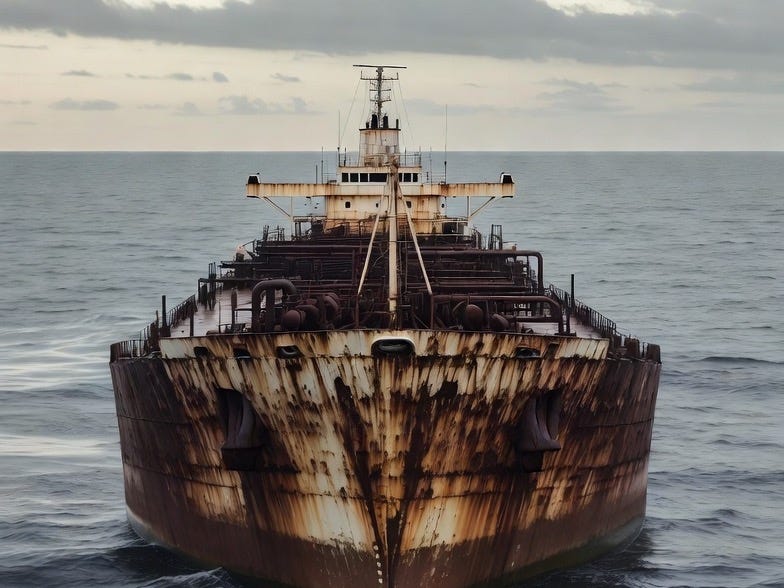
As a result, the announcement has raised questions over scope and legality. Trump said the action was justified by alleged terrorism, drug smuggling and asset theft, but US officials have indicated that most vessels may still be allowed to move freely. Venezuela relies entirely on tankers to export oil, and more than 30 sanctioned vessels were operating earlier this month.
However, the blockade language has alarmed critics. Lawmakers and legal experts have warned it could amount to an act of war without congressional authorisation, while Caracas rejected the move as piracy and has appealed to the United Nations for support.
Sources: New York Times, Al Jazeera

US Defence Secretary Pete Hegseth said only select members of Congress will be shown the full, unedited video of a controversial September boat strike in the Caribbean, despite growing bipartisan pressure for broader access. He told reporters that armed services committees would review the footage, but it would not be released publicly due to classification rules.
However, the restriction has intensified scrutiny of the wider campaign. Democrats questioned the legality of the strikes, which US officials say have killed at least 90 people since September, while some Republicans urged the White House to continue the operation. Lawmakers also cited reports that survivors of an initial strike were killed in a second attack, prompting renewed demands for transparency.
Meanwhile, the Pentagon confirmed additional strikes on boats in the Pacific, underscoring the administration’s determination to press ahead. As a result, calls for congressional oversight have sharpened, with war powers resolutions introduced in both chambers to curb further military action without explicit approval.
Sources: BBC, The Guardian
New South Wales will recall parliament next week to pass emergency gun and protest law reforms after a mass shooting at a Jewish Hanukkah event on Sydney’s Bondi Beach. Premier Chris Minns said urgent changes would include capping the number of firearms a person can own and making certain shotguns harder to access, as funerals for victims began.
As a result, the attack has intensified scrutiny of how the alleged gunmen obtained weapons. Police said the surviving suspect, Naveed Akram, has been charged with terrorism and other offences after emerging from a coma, while his father was shot dead at the scene.
However, national leaders also moved to address wider tensions. Prime Minister Anthony Albanese pledged to work with Jewish communities to eradicate antisemitism and said governments had agreed to strengthen gun laws nationwide, as health officials reported more than 20 injured people still in hospital.
Sources: Reuters, DW

South Korea may seek a standalone agreement with the United States to secure permission to build nuclear-powered submarines, according to national security adviser Wi Sung-lac. Speaking in Washington ahead of meetings with Secretary of State Marco Rubio, Wi cited Australia’s precedent under Section 91 of the US Atomic Energy Act, which enabled Canberra to pursue nuclear submarines through a separate bilateral accord.
Under existing civil nuclear cooperation rules, Seoul is barred from using nuclear material for military purposes. As a result, Wi said a Section 91 exemption could provide a legal pathway similar to the Aukus arrangement agreed by Australia, the US and the UK in 2021.
Meanwhile, the talks are expected to cover uranium enrichment, spent-fuel reprocessing and broader regional issues, including coordination on North Korea. Wi said progress would depend on high-level political engagement, arguing that direct involvement by the presidential office and the White House would accelerate decisions.
Sources: Bloomberg, Korea Times

The European Union plans to extend its carbon border levy to cover car parts, refrigerators and washing machines, draft documents showed, as it tries to close loopholes that it fears would let foreign manufacturers dodge climate costs. The expanded list also includes construction products for bridges, power transformers and cables, plus farming machinery.
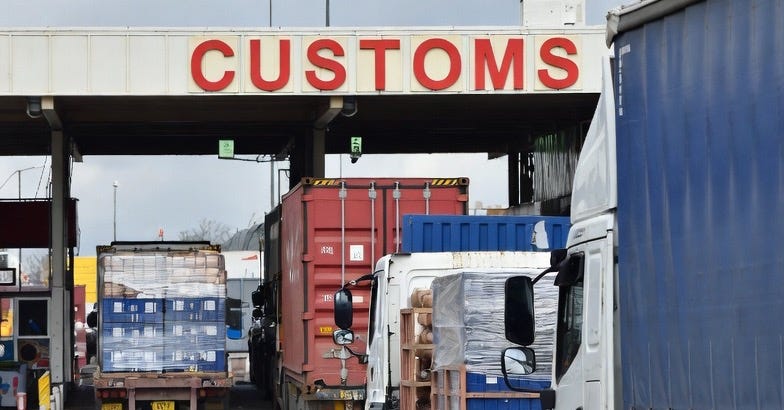
As a result, the Carbon Border Adjustment Mechanism will apply further down the value chain of steel and aluminium products already in scope, targeting goods judged most exposed to “carbon leakage”. From January, the policy will start charging importers for the emissions embedded in steel, cement and other high-carbon products brought into the EU.
However, the policy has drawn criticism from trading partners including China, India and South Africa. A separate draft proposal showed the EU expects the levy to raise 2.1 billion euros by 2030 and would use 25% of the revenue to compensate European manufacturers over 2028-2029, if they are investing in cleaning up their manufacturing footprint.
Sources: Bloomberg, Reuters

Hundreds of Arctic rivers are turning bright orange as thawing permafrost releases naturally occurring iron into waterways, according to a US government-backed scientific assessment. The phenomenon, known as “rusting rivers”, is documented across northern Alaska and is linked to accelerating Arctic warming.
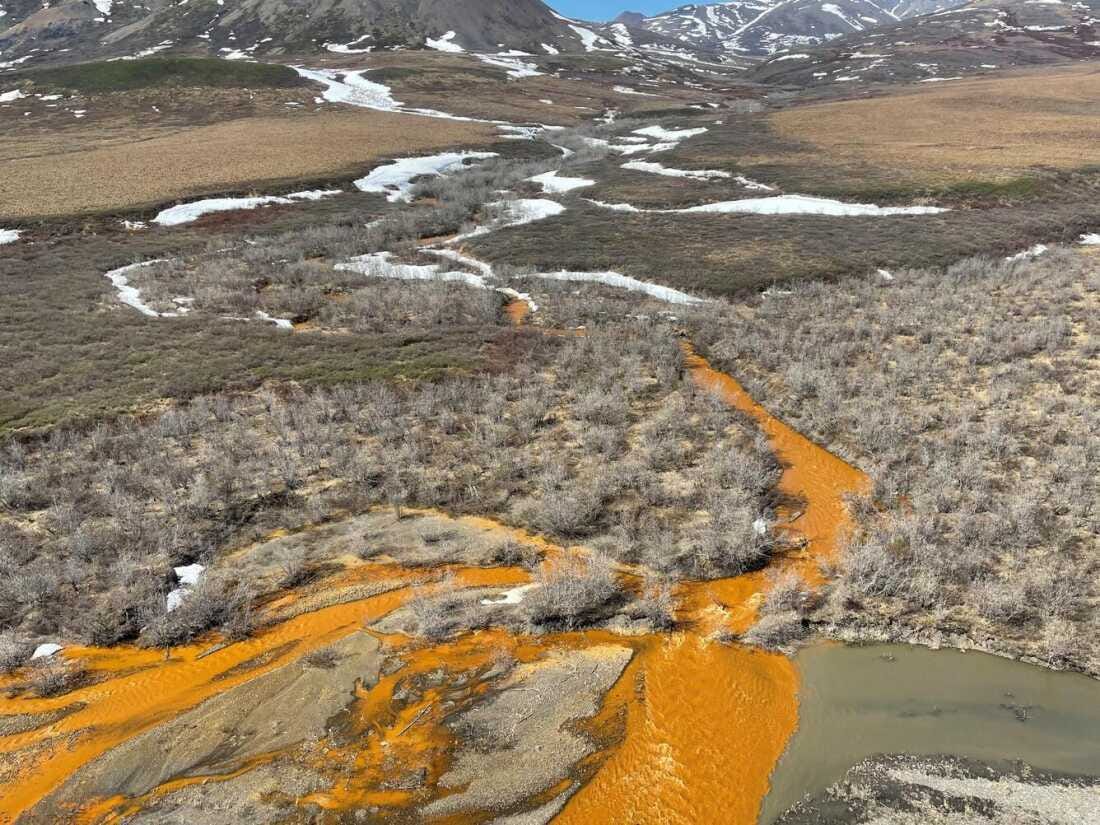
The findings are detailed in the National Oceanic and Atmospheric Administration’s annual Arctic Report Card, which says the region is warming faster than the global average. As a result, long-frozen ground is thawing, allowing iron and other metals to seep into streams. Scientists say some metals could harm fish and potentially affect rural water supplies, although no contamination has yet been confirmed.
Meanwhile, the report shows broader disruption. The Arctic experienced its warmest and wettest year on record, glaciers continued to shrink and sea ice reached its lowest winter extent in 47 years of satellite data. Researchers warn these changes influence global sea levels, weather patterns and fisheries, underlining the Arctic’s role in regulating the planet’s climate.
Sources: NPR, Bloomberg

President Donald Trump has expanded US travel restrictions to include 20 additional countries, bringing the total number subject to full or partial bans to more than 35. The revised policy takes effect on January 1 and fully blocks entry for nationals of Syria, South Sudan, Niger, Mali and Burkina Faso, as well as people holding documents issued by the Palestinian Authority.
The expansion also imposes partial restrictions on individuals from 15 further countries, mainly in Africa, and applies to tourists, students, business travellers and many family-based immigration categories. As a result, the policy now limits travel from nearly 20 percent of countries worldwide, significantly widening earlier measures introduced in June.
The White House said the decision reflects persistent deficiencies in screening and vetting by affected states. However, critics argue the move sharply escalates limits on legal immigration and disproportionately affects countries in Africa and the Middle East, with implications for families, students and nationals already living in the United States.
Sources: Reuters, New York Times, The White House
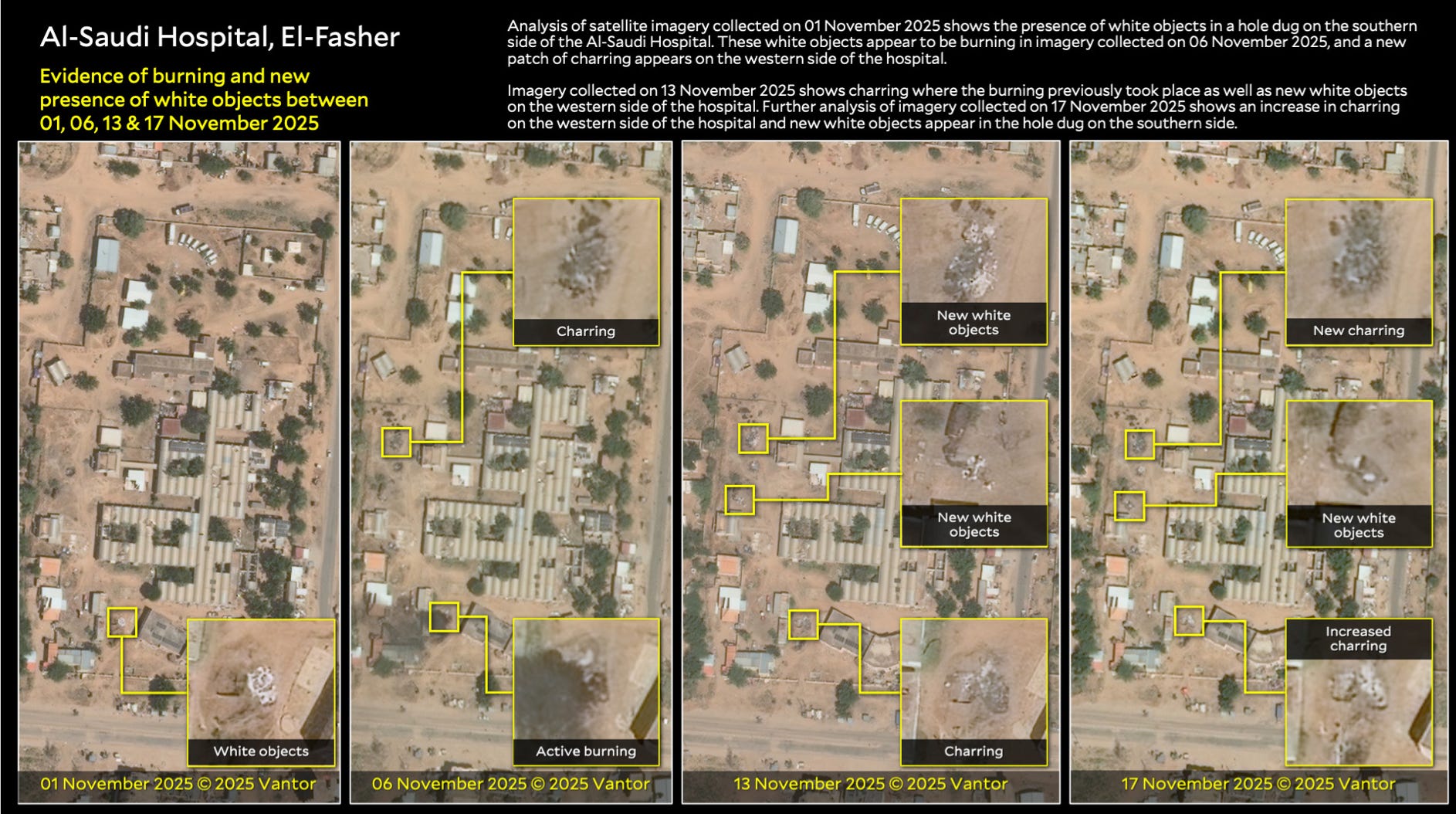
Satellite analysis suggests Sudan’s Rapid Support Forces attempted to conceal mass killings in el-Fasher by burying and burning bodies after seizing the city in October, according to a report by Yale University’s Humanitarian Research Lab. Researchers say imagery shows clusters consistent with human remains shrinking or disappearing over weeks, indicating a sustained effort to destroy evidence.
The findings follow international accusations that RSF fighters committed executions and crimes against humanity as the city fell after an 18-month siege. Meanwhile, researchers identified more than 80 clusters outside el-Fasher, which they say suggests civilians were killed while trying to flee. The RSF has not responded to the report but has previously acknowledged some violations.
The conflict between the RSF and Sudan’s army has displaced more than 13 million people since April 2023 and left roughly 250,000 civilians trapped in el-Fasher, according to UN estimates. As a result, aid agencies warn the evidence points to systematic atrocities amid what the UN describes as the world’s worst humanitarian disaster.