


Hormuz Ship Sinkings Raise Risk to Recovered Oil Flows (Conflict)
Hormuz Fertiliser Delay Raises Food Security Risk (World)
Houthis Expand Saudi Campaign to Aramco Headquarters (Conflict)
Albania Student Protests Erupt Into Violent Unrest (Europe)
Musk Says US Controls Ukraine Starshield Restrictions (US)
Ukrainian Officer Goes on Trial Over Nord Stream Blasts (Europe)
US Judge Blocks ICC Sanctions Against Rights Groups (US)
Jamaica Receives First US Third Country Deportees (US)
Israel Blocks Gaza Base for International Force (Middle East)
US Defence Budget Pivots Towards Autonomous Warfare (US)
A succinct daily briefing delivered each weekday to help you stay on top of the stories shaping the world.

Two cargo ships have sunk after Iranian attacks near the Strait of Hormuz, as strikes intensify alongside a U.S.-backed recovery in Gulf oil traffic. The GFS Pride was hit on Tuesday and caught fire before its crew was safely evacuated. A second vessel, attacked last month, sank on Wednesday.
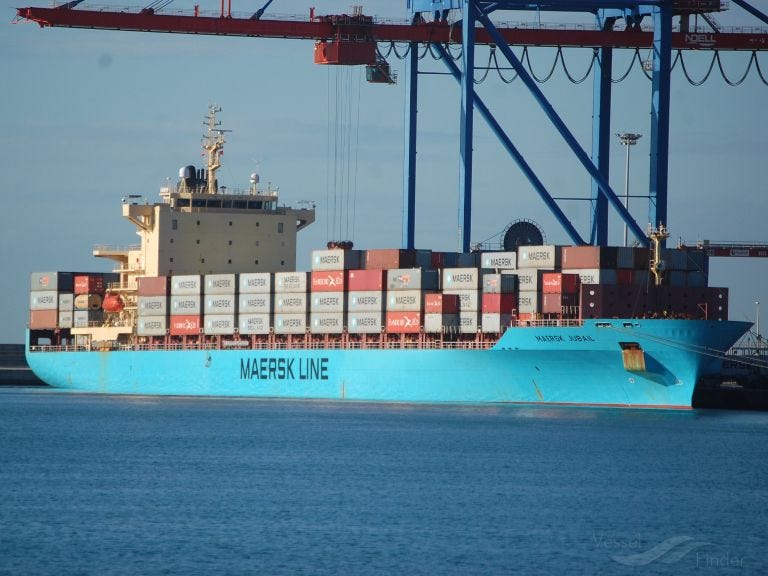
Iran has struck more than 14 vessels in the strait over the past two weeks, while about two dozen ships have been hit since the beginning of October. U.S. forces have expanded air cover and monitoring as Washington pushes more vessels through the waterway to try to help lower global energy prices.
Regional exports had recovered to 18.2 million barrels a day before the latest attacks, while Iranian exports had fallen to zero under a U.S. blockade. Recent attacks have also expanded beyond oil cargoes, hitting container and dry-bulk ships that seafarers had previously regarded as relatively safe.
Sources: Washington Post, Wall Street Journal

A failure by the United States and Iran to agree within weeks on a UN-backed plan to move fertiliser through the Strait of Hormuz could trigger a food security crisis in parts of Asia and Africa. UN Under Secretary General Jorge Moreira da Silva said agreement was crucial before the approaching planting season.
Before the war, Hormuz handled roughly a third of globally traded urea and nearly half of seaborne sulphur, both key fertiliser inputs. Shipments from the Gulf remain largely halted. Fertiliser has represented a negligible share of shipping that has resumed.

The proposed mechanism could begin within seven to 10 days of an agreement, using a coordination centre in Oman and UN monitors at Gulf ports. Moreira da Silva said five vessels a day could maintain supplies to countries in critical need, warning that missing the planting season would significantly reduce agricultural productivity and increase prices.
Sources: Al Jazeera, Reuters

Houthi attacks on Saudi Arabia have reached the headquarters of state oil company Aramco in Dhahran, widening a campaign that has repeatedly targeted airports, military facilities and oil infrastructure. An overnight strike damaged the building’s top three floors and offices used by senior officials, but caused no casualties.
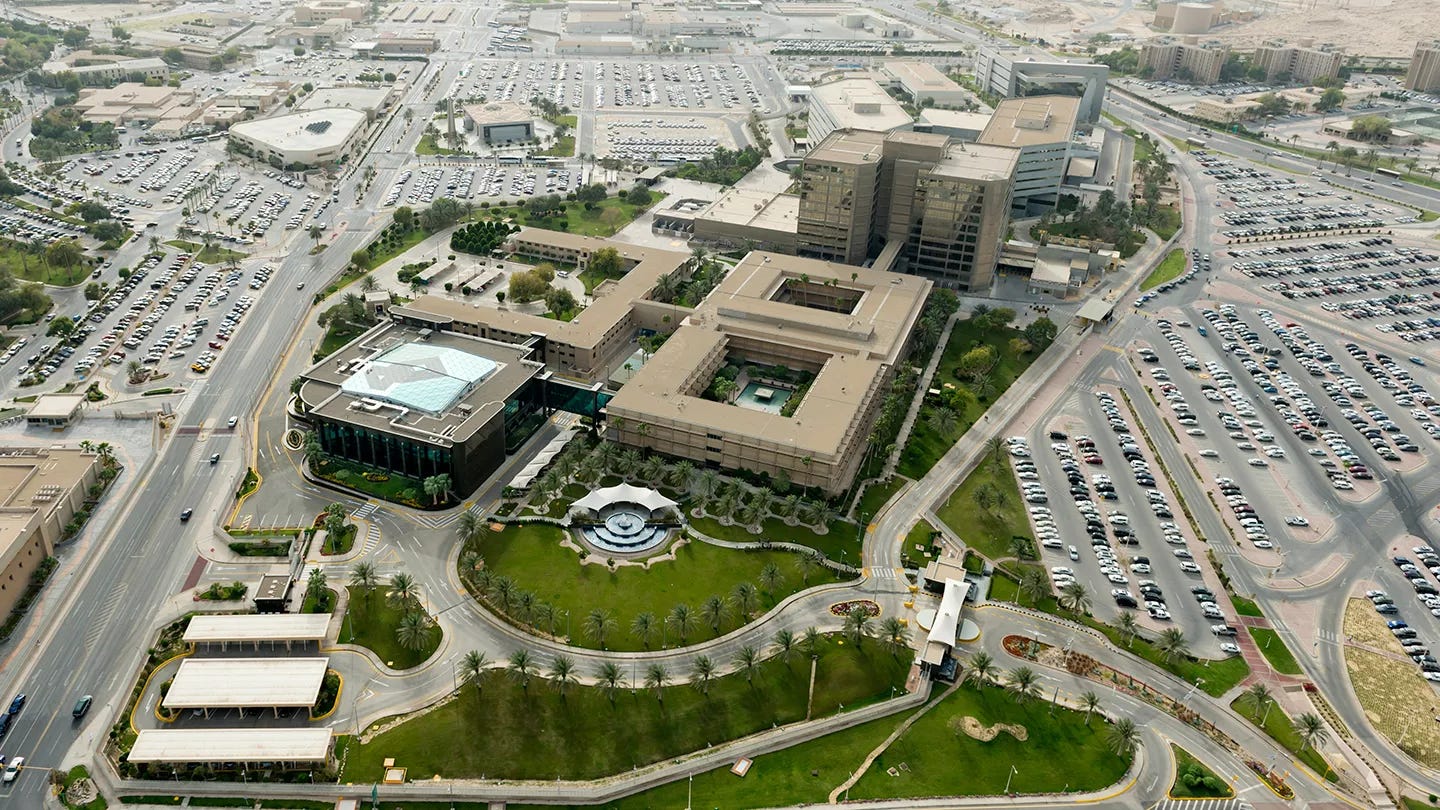
The attack followed repeated strikes on King Khalid International Airport in Riyadh, where attacks over the past week have killed at least 18 people and wounded more than 300. The Houthis said the latest attacks were retaliation for Saudi strikes in Yemen and warned that Saudi energy facilities and airports would remain targets.
Regional and international powers are also pursuing a ceasefire. Houthi political bureau member Mohamed al-Bukhaiti said Oman had sought renewed negotiations, while Russia and China had also approached the group through Iran. The Houthis nevertheless continued to warn of further attacks.
Sources: Associated Press, Wall Street Journal

Tens of thousands of students have taken to the streets of Tirana as protests over university conditions, education costs, employment prospects and corruption escalated into violence. Demonstrators set fire to part of the education ministry, while other government buildings, banks and businesses were also attacked.
Police used tear gas and water cannon as protesters hurled stones and firecrackers. Authorities said 23 police officers and six other people were being treated for injuries, while 35 people were detained. Deputy Prime Minister Albana Koçiu called for calm and urged protesters to distance themselves from violence and vandalism.
The student unrest follows months of anti-government protests against Prime Minister Edi Rama, initially triggered by a proposed luxury resort backed by Jared Kushner. The European Union voiced concern over the violent escalation and allegations of excessive police violence against protesters and journalists.
Sources: BBC, The Guardian

Ukraine says new speed restrictions on satellite connectivity are disrupting drone operations, while Elon Musk says limits on the military-grade Starshield service are controlled by the US government. Terminals travelling above 100mph lost connectivity, disrupting long-distance missions and Ukraine’s ability to operate drones.
Musk, chief executive of SpaceX, said any Starshield limits on speed or usage are decided by the US military and ultimately the US president. The White House has neither confirmed nor denied his assertion, while the Pentagon did not immediately comment.
The restrictions come amid strains between Kyiv and Washington over Ukrainian attacks on Russian energy facilities. Ukrainian defence technology adviser Serhii Beskrestnov said the slowdown could not be a coincidence, while President Volodymyr Zelensky said Washington had threatened to restrict intelligence sharing unless Ukraine accepted President Donald Trump’s energy ceasefire. Trump denied that claim.
Sources: BBC, Al Jazeera
Restacking this post will help it reach more readers interested in the world.

A former Ukrainian army officer has gone on trial in Hamburg over the 2022 explosions that damaged the Nord Stream gas pipelines between Russia and Germany. Serhii Kuznietsov, 50, faces charges including causing an explosion, disrupting public services and being an accomplice to war crimes by attacking civilian infrastructure.
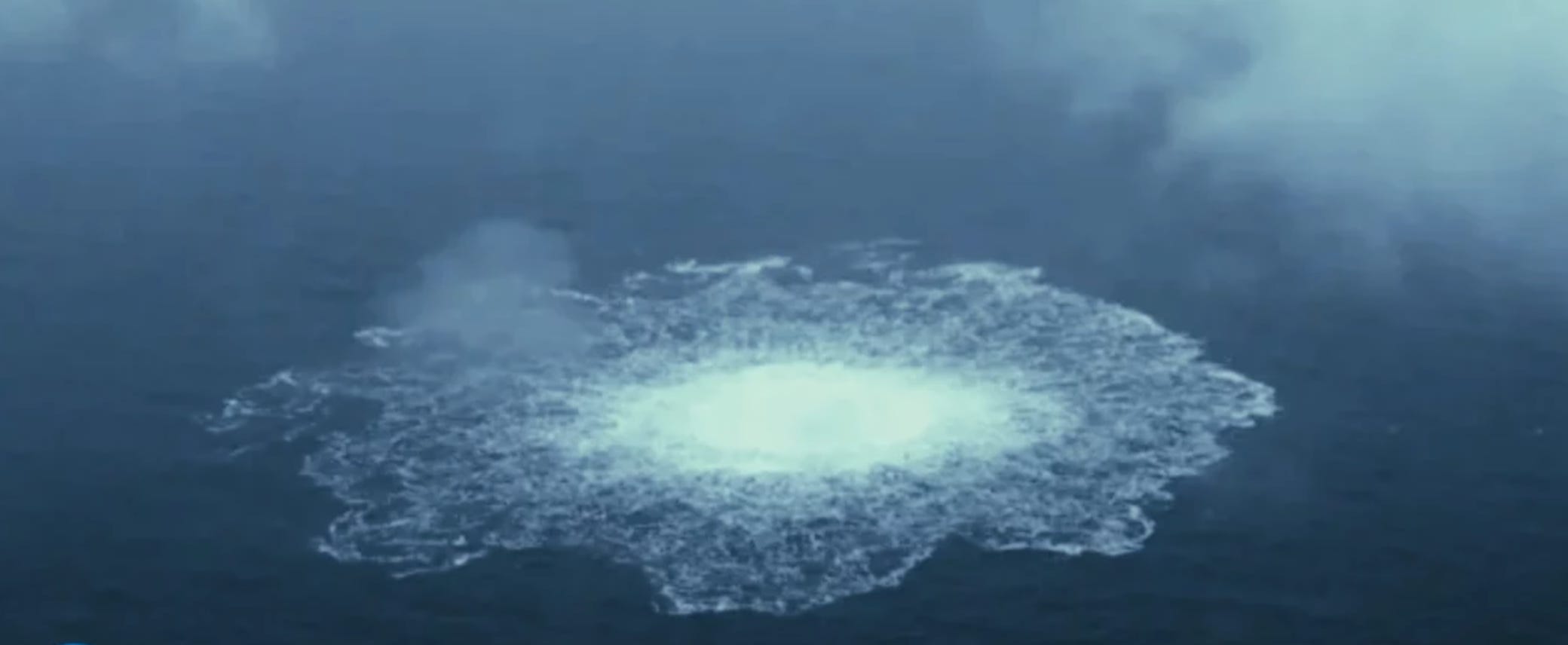
Prosecutors allege Kuznietsov was the ringleader of a plot intended to permanently disrupt Russian gas deliveries and prevent Moscow using the revenues for military operations. His lawyers requested that all charges be dismissed, arguing he remains an active-duty Ukrainian soldier who cannot speak because of national security secrecy.
The case is politically sensitive for Germany, one of Ukraine’s closest allies. Investigators have found indications that Ukrainian state security agencies may have been involved, although Ukrainian President Volodymyr Zelensky has denied his country played any role. Sixteen court dates are scheduled through December 17.
Sources: Associated Press, DW

A US federal judge has temporarily blocked the Trump administration from sanctioning two American rights groups over their work supporting International Criminal Court investigations into alleged war crimes in Gaza. Judge Jesse Furman granted a preliminary injunction to Democracy for the Arab World Now and Taxpayer Alliance Against Genocide.
The groups challenged President Donald Trump’s February 2025 executive order authorising sanctions against people involved in investigations Washington said threatened US national security or its allies, including Israel. Furman said the order likely violated the groups’ First Amendment rights by regulating their speech-based activities.
The judge stopped short of declaring the executive order unconstitutional or imposing a universal injunction. The ruling follows US sanctions against the ICC after it issued arrest warrants for Israeli Prime Minister Benjamin Netanyahu and former defence minister Yoav Gallant over alleged war crimes and crimes against humanity in Gaza, accusations they reject.
Sources: New York Times, The Guardian

Jamaica has received its first group of third-country deportees from the United States, becoming the latest country to implement an agreement supporting President Donald Trump’s expanding deportation programme. Twenty-two adults arrived in Kingston on Tuesday and were taken by bus to an undisclosed location.
Under a bilateral agreement signed in June, Jamaica will act as a temporary transit hub before deportees are transferred to their home countries or other destinations. The government says arrivals are capped at 25 people per fortnight, nobody with a criminal record will be accepted and the arrangement will not be funded by Jamaica.
The agreement has prompted criticism because its full terms have not been made public. Opposition national security spokesperson Fitz Jackson said Jamaicans were being asked to trust a secret document affecting security and public services. Foreign Minister Kamina Johnson Smith said the US had not agreed to make the deal public.
Sources: Al Jazeera, NBC News

Israel has blocked construction of a Gaza military outpost intended to house 150 international troops under US President Donald Trump’s Board of Peace reconstruction programme. The board awarded Louisiana-based Arkel International the construction contract in August, but two months later contractors and trucks have not been permitted to enter Gaza.
The planned base would host rotating deployments from an international stabilisation force, with 500 personnel already sent from Morocco and Kosovo. A person with direct knowledge of the project said the wider Board of Peace programme cannot launch without the base because reconstruction requires security, construction equipment, utilities and basic life-support facilities.
The source said the board believes Israel will allow the project to proceed after elections scheduled for October 27. The Board of Peace, Israeli government and Israeli military declined to comment. The board unveiled a six-month, $2.45bn reconstruction plan in September.
Sources: The Guardian, Times of Israel

US Defence Secretary Pete Hegseth has called a nearly $1.5 trillion defence budget request “absolutely critical” as Washington accelerates investment in autonomous warfare. Hegseth said advances in autonomy, robotics, space and artificial intelligence meant countries already ahead could pull further ahead, while those behind risked falling further behind.

Project Agincourt is intended to lay the groundwork for a four-star Autonomous Warfare Command, which would lead US forces in unmanned autonomous warfare. The Pentagon plans to field hundreds of thousands of one-way attack systems this year and millions in coming years.
The Pentagon has requested $54.6 billion for its Defence Autonomous Warfare Group for 2027, up from $225.9 million the previous year. Air Force Secretary Troy Meink said autonomous systems were essential to meeting threats and could provide some combat power five to 10 times more cheaply than manned systems.
Sources: South China Morning Post, US Dept. of War
Restacking or sharing this publication means more people can read it. Commenting extends the conversation. Liking shows your appreciation.
On this day …
On this day in 1966, Huey P. Newton and Bobby Seale founded the Black Panther Party in Oakland, California. Emerging amid racial discrimination, police violence and frustration with the pace of the civil rights movement, the organisation advocated Black self-determination and initially became known for armed patrols monitoring police activity.
The Panthers also developed community programmes providing free breakfasts, health clinics and other services in disadvantaged neighbourhoods. Their militancy brought confrontations with law enforcement and intense scrutiny from the FBI, while internal divisions later weakened the organisation.
Were the Black Panthers primarily a radical political movement, a community organisation or inevitably both?