


Iran Talks May Restart As Deadline Nears
China Warns US Blockade Risks Ceasefire Stability
Bessent Casts China As Unreliable Over Iran Oil
Allies Hold Back From Trump Hormuz Blockade
Israel Lebanon Talks Open Despite Active Fighting
King Charles Heads to US Amid Strained Trump Ties
Italy Freezes Israel Defence Pact Amid Tensions
Ukraine Says Robots Took Russian Position Alone
Spain Moves To Regularise Undocumented Migrants
Rohingya Boat Disaster Leaves Hundreds Missing

Donald Trump said US-Iran talks could resume in Islamabad within the next two days as Pakistan tried to secure another negotiating round before a two-week ceasefire ends on 22 April.
Trump said Pakistan’s army chief, Field Marshal Asim Munir, was doing a “great job” arranging the talks, while a Pakistani official said a restart was expected soon, though it could take slightly longer.
The previous round broke up after US Vice-President JD Vance said Iran had failed to make an “affirmative commitment” that it would not seek a nuclear weapon. The main sticking point remained uranium enrichment: the US side sought a 20-year suspension, while Iran offered a shorter moratorium of less than 10 years or three to five years. Trump kept pressure on Tehran through a blockade on Iranian oil exports via the Strait of Hormuz for now.
Sources: The Guardian, The Washington Post

China criticised the United States naval blockade of Iranian ports as “irresponsible and dangerous”, warning the move could undermine a fragile ceasefire and threaten shipping safety in the Strait of Hormuz. The blockade came into force on Monday after peace talks between Washington and Tehran broke down in Pakistan, with US President Donald Trump saying the measure was intended to force Iran to give up its nuclear ambitions.
Chinese foreign ministry spokesman Guo Jiakun said only a comprehensive ceasefire could ease tensions and restore normal traffic through the strait. Beijing, the largest buyer of Iranian crude, faces potential disruption to supply as the blockade targets ships entering and leaving Iranian ports.
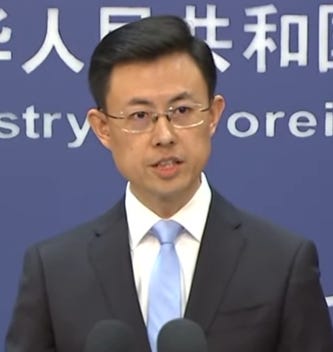
The United States said it would not impede vessels travelling to non-Iranian ports, but the measure still marked an escalation despite a pause in hostilities agreed earlier in April.
Sources: BBC, CNBC

US Treasury Secretary Scott Bessent accused China of acting as an “unreliable global partner” during the Iran war, saying Beijing had been hoarding oil, cutting exports of some products and continuing to buy Iranian crude despite worsening strain on global energy markets. He said China buys more than 90 percent of Iran’s oil exports and should stop those purchases.
Bessent said the behaviour echoed China’s stockpiling of medical supplies during the Covid-19 pandemic and came as the war caused supply chain disruptions, oil prices surged by as much as 50 percent, and Iran’s closure of the Strait of Hormuz disrupted supplies.
He declined to say whether the dispute would affect Donald Trump’s planned mid-May visit to Beijing, but said Trump and Xi Jinping still had a very good working relationship and that the message for the visit was stability.
Sources: The Mainichi, Reuters

US allies are refusing to join Donald Trump’s blockade of the Strait of Hormuz, holding back on naval commitments while they wait for a permanent ceasefire and clearer peace talks. Britain and France are instead preparing discussions on a possible post-war mission to secure shipping, but officials said planning remains at an early stage.
Allies also remain divided over what role the United States should play, and diplomats are focusing more on ending the war than on immediate military solutions.
Both countries have ruled out taking part in the blockade itself and want any future mission to be strictly defensive. Emmanuel Macron said such an effort would be aimed at restoring freedom of navigation, while Keir Starmer said Britain would not be dragged into the war, leaving Washington largely without allied backing for its current operation.
Sources: Bloomberg, Times of India

Israeli and Lebanese officials held their first direct negotiations since 1983 in Washington on Tuesday, opening a rare diplomatic channel even as fighting between Israel and Hezbollah continued. The talks, hosted by US Secretary of State Marco Rubio, lasted more than two hours and ended with positive public remarks, though Rubio said progress would take time.
The two sides entered with sharply different priorities. Israel ruled out discussing a ceasefire and pressed Beirut to disarm Hezbollah, while Lebanon called for an end to a conflict that has killed nearly 2,124 residents and displaced more than 1.1 million people in its territory.
Hezbollah opposed the meeting and was not represented. As the negotiations began, the group stepped up fire on northern Israel, underlining the distance between diplomatic engagement in Washington and the military reality on the ground.
Sources: Al Jazeera, New York Times

King Charles and Queen Camilla will travel to the United States from 27 to 30 April for a state visit that British officials hope can help repair tensions with Donald Trump over the Iran war. The trip will include a private tea and meeting with Trump, a ceremonial welcome at the White House, a state dinner and an address to Congress, as London seeks to use the monarchy’s “soft power” to renew bilateral ties.
The visit comes as relations between Washington and London are under strain, with Trump criticising Keir Starmer over Britain’s refusal to back the offensive against Iran. Palace and Foreign Office officials said the visit was intended to reaffirm the partnership despite disagreements, while Starmer said the monarchy could help sustain ties built over decades.
The King and Queen will not meet Jeffrey Epstein survivors during the visit.
Sources: Reuters, BBC

Italy has suspended the automatic renewal of its defence agreement with Israel, reversing a long-running arrangement covering military equipment, technology research and other forms of defence cooperation. Prime Minister Giorgia Meloni announced the move on Tuesday, as relations between Rome and Tel Aviv deteriorated over Israeli attacks on Lebanon.
The accord, approved in 2006 and renewed every five years, had been due for renewal this month. Opposition parties had pressed the government for more than a year to suspend the renewal. Tensions have risen after Italy accused Israeli forces of firing warning shots at an Italian peacekeeper convoy in Lebanon, and after Foreign Minister Antonio Tajani condemned what he called Israel’s “unacceptable attacks” on Lebanese civilians.
The move marks a sharp reversal for a government that had been one of Israel’s closest allies in Europe.
Sources: New York Times, Al Jazeera

Volodymyr Zelenskyy said Ukrainian forces captured a Russian position using only unmanned platforms, in what he described as the first operation of the war carried out without infantry on the ground. He said the position was taken with ground robotic systems and aerial drones, and that Russian troops surrendered without losses on the Ukrainian side.
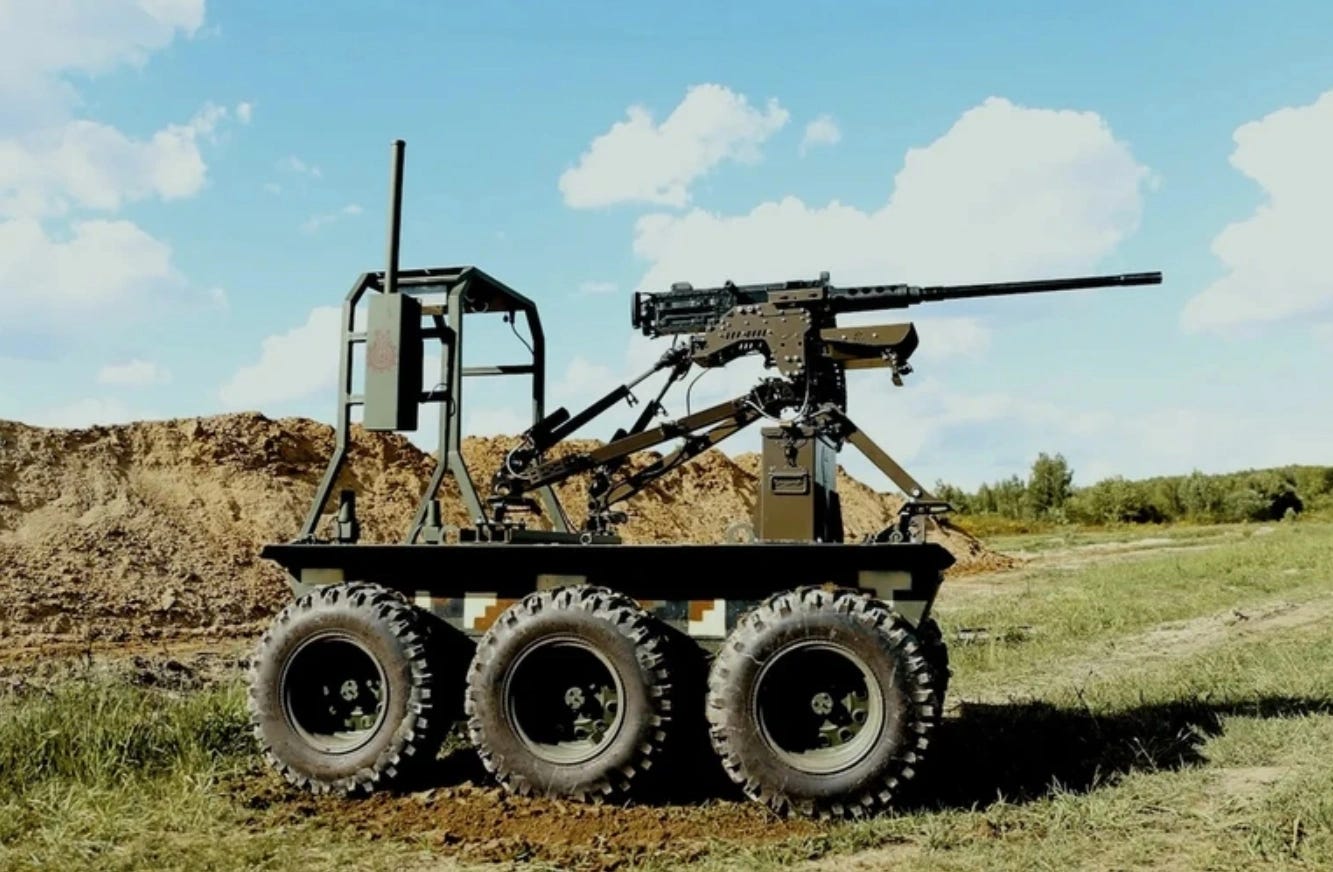
Kyiv has been expanding the use of unmanned ground systems as dense drone coverage makes frontline troop movements harder and more dangerous.
Zelenskyy said such systems carried out more than 22,000 missions in the first three months of 2026, while more than 9,000 unmanned ground vehicle missions were completed in March alone, with around 80 percent focused on logistics and the rest covering medical evacuations, offensive use and other tasks. Zelenskyy said the shift was about using high technology to protect human life.
Sources: Politico Europe, Euractiv

Spain has approved a plan to give legal status to around 500,000 undocumented migrants, opening a route into the formal workforce through a one-year renewable residence and work permit. Prime Minister Pedro Sánchez called the measure “an act of justice and a necessity”, saying it recognised people who already live and work in the country and should do so under equal conditions and pay taxes.
Applicants must have arrived before 1 January, prove they have lived in Spain for at least five months, and show a clean criminal record. The application window runs until 30 June, with in-person applications beginning on 20 April and online applications starting on Thursday.
The government says the measure is needed to support an ageing country’s economy and public services, while opponents in the Popular Party say it is unsustainable and will try to block it.
Sources: BBC, Associated Press

About 250 Rohingya refugees and Bangladeshi nationals are missing after a trawler carrying more than 250 people capsized in the Andaman Sea while travelling from southern Bangladesh to Malaysia. The UN refugee agency and the International Organization for Migration said the vessel sank due to heavy winds, rough seas and overcrowding. Bangladesh’s coastguard said nine people, including one woman, were rescued on 9 April.
The agencies said the disaster exposed the human cost of protracted displacement and the absence of durable solutions for the Rohingya. Thousands attempt such journeys each year to escape repression and civil war in Myanmar or overcrowded camps in Bangladesh.
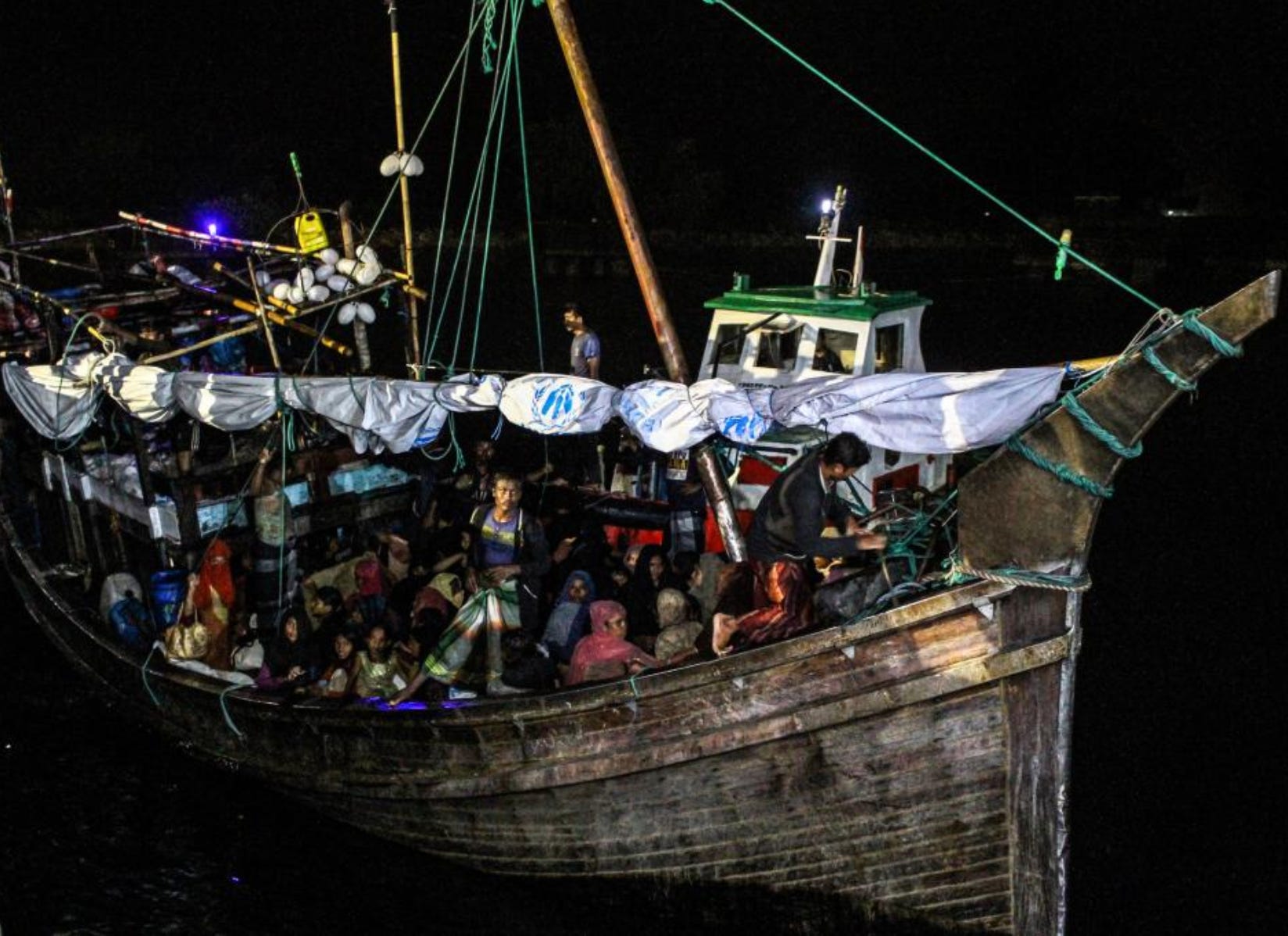
More than 730,000 Rohingya fled Myanmar in 2017. Survivor Rafiqul Islam said traffickers had promised him a job in Malaysia and that some people died from suffocation and overcrowding before the boat capsized.
Sources: Al Jazeera, The Guardian
On this day …
On this day in 2013, two explosions near the finish line of the Boston Marathon bombing killed three people and injured hundreds more, turning one of the world’s best-known public sporting events into the site of a major terrorist attack.
The incident prompted a large-scale security response and led to changes in how major cities planned protection for open public gatherings. It also shaped debates in the United States about surveillance, emergency preparedness, and domestic extremism.
The attack highlighted how vulnerable high-visibility civic events could be to small-scale but disruptive violence.
Have cities since found an effective balance between openness and security at major public events?
The robots are Ukrainian. I have not seen data on their cost but given Ukraine’s stretched budget, they cannot be expensive
Thanks for sharing this article says the Ukraine Defense budget $6.8 Billion and ...
https://united24media.com/latest-news/ukraines-defense-tech-market-hits-68b-ground-robots-explode-488-in-one-year-17558