


Yemen Edges Closer To Renewed Large Scale Conflict (Conflict)
Iran Turns Hormuz Into Its Final Point Of Leverage (Middle East)
US Signals An Indefinite Economic Siege Of Iran (Middle East)
Iran War Stretches US Carrier Deployment (Middle East)
Iran War Burns Through US Drone Fleet (Middle East)
Russian Plot Crosses A New NATO Threshold (Europe)
Danube Drought Tests Central Europe’s Nuclear Power (Europe)
Record Rain Strands Thousands At Narita Airport (Asia)
El Niño Could Pull Future Heat Into 2027 (Climate)
Settler Siege Deepens West Bank Displacement Risk (Middle East)
A succinct daily briefing delivered each weekday to help you stay on top of the stories shaping the world.

The United Nations has warned that Yemen faces its most serious risk of a return to large scale war since the 2022 truce, following an escalation in fighting between the Iran-aligned Houthis and the internationally recognised, Saudi-backed government. United Nations envoy Hans Grundberg told the Security Council that military activity had intensified across multiple frontlines, while recent Houthi attacks had caused both military and civilian casualties.
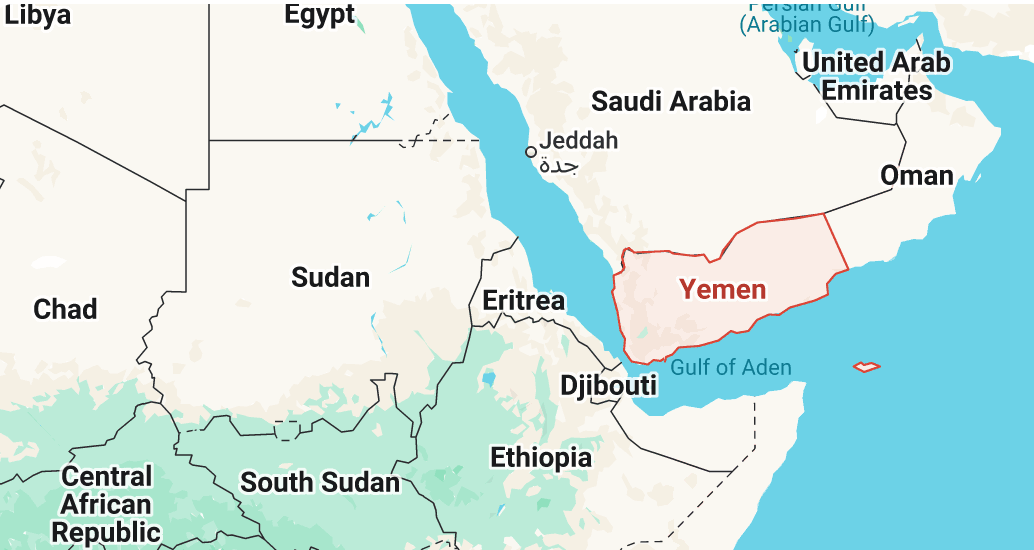
The warning coincided with renewed attacks on shipping in the Red Sea and Gulf of Aden and a second Houthi strike in less than a week against Saudi Aramco’s Jazan refinery. Grundberg said attacks against shipping and cross-border targets must stop and urged parties to pursue negotiations while a negotiated solution remained possible.
At the same time, United Nations humanitarian chief Tom Fletcher said more than half of Yemen’s population was experiencing acute food insecurity, with 6 million people facing emergency levels of deprivation bordering on famine.
Sources: Bloomberg, Reuters

Iran is using the Strait of Hormuz as its final point of leverage after five months of US and Israeli military attacks. Shipping has fallen to a one-week low as Iran blocks vessels without its approval, while the United States maintains a naval blockade on Iranian ports.
Tehran has set six conditions for fully reopening the strait, including an end to attacks, withdrawal of US forces, lifting sanctions, freeing frozen Iranian assets and compensation for war damage. Former US Defense Secretary Mark Esper said Iran believes it has the upper hand and is emboldened.
The waterway is difficult to replace for Middle East trade, leaving US President Donald Trump choosing between renewed military strikes, waiting or negotiation.
Iran and Oman are discussing safe inbound and outbound shipping lanes, with Qatar saying those talks have reached an advanced stage. The strait carries one-fifth of global oil and liquefied natural gas supplies in peacetime.
Sources: Al Jazeera, Wall Street Journal

The United States is signalling that its blockade of Iranian ports can be sustained indefinitely, extending the conflict into a potentially prolonged campaign of economic isolation. US Defense Secretary Pete Hegseth said the Navy could rotate ships through the region for as long as required and Treasury Secretary Scott Bessent said new measures were expected next week.
Washington has deployed tens of thousands of troops and more than 20 warships to the Middle East since the war began. The US military has redirected more than 55 commercial vessels attempting to breach the blockade, including disabling three ships and boarding two.
Months of US strikes have damaged large parts of Iran’s military capabilities but have not broken Tehran’s grip on the Strait of Hormuz.
Bessent described a two-pronged strategy combining financial measures with a physical blockade. Vice President JD Vance said lowering US oil and gasoline prices was now Washington’s top priority but there seem few if any real means of achieving this aim in the short term.
Sources: Reuters, Al Arabiya

US Defense Secretary Pete Hegseth has rejected reports of poor conditions aboard the USS Abraham Lincoln as “completely misrepresented”, as the aircraft carrier approaches nine months at sea supporting the US war with Iran. Typical naval deployments last six to nine months, although they can be extended during conflict.
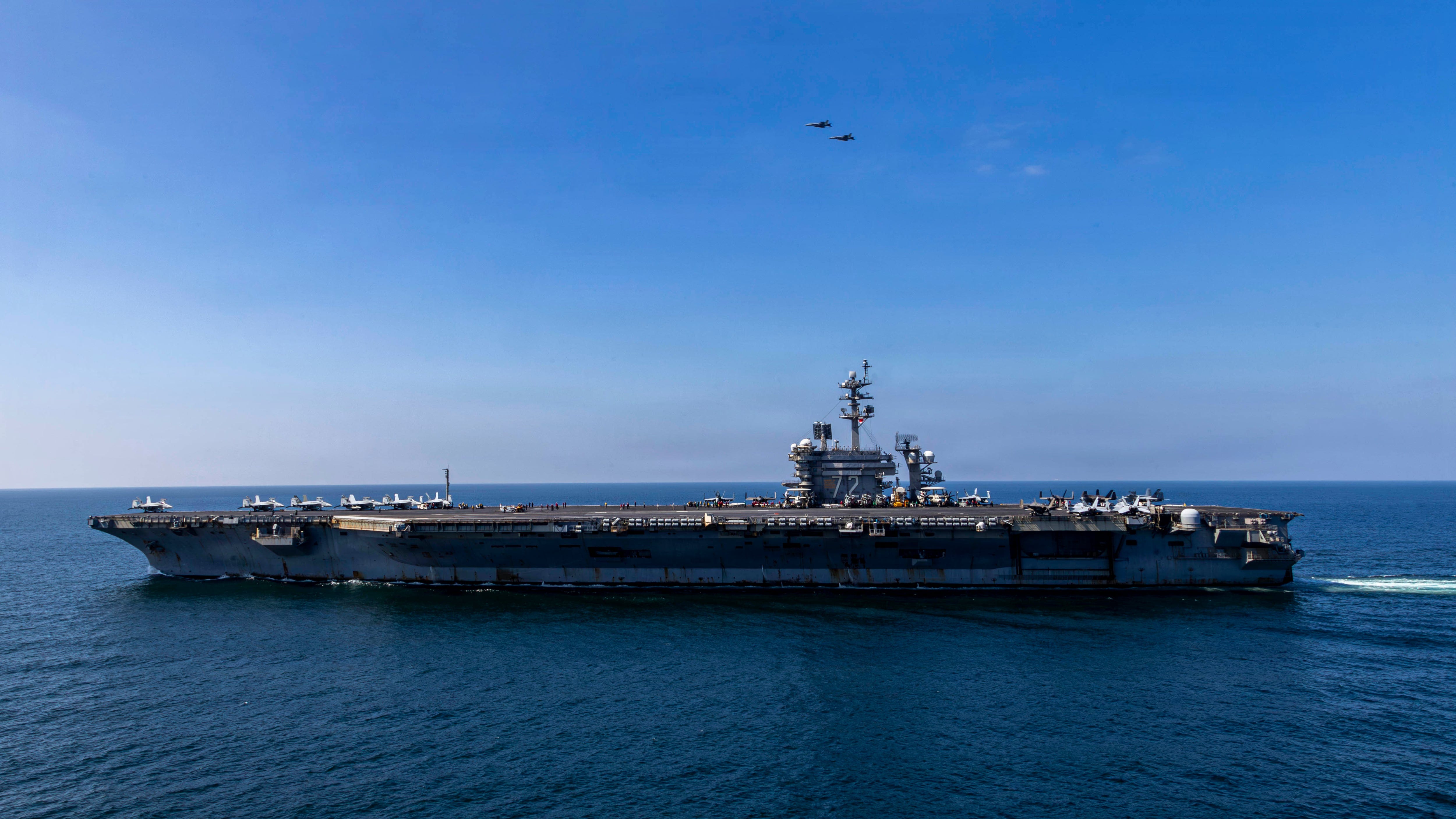
Military-focused outlets have reported suicide attempts and declining morale among the ship’s 5,000 sailors and marines, while Democratic lawmakers have cited shortages, water contamination, plumbing problems and deteriorating mental health.
A Navy official said extended deployments place significant strain on personnel and families, but said no increase in reported suicidal ideation or suicide attempts had been identified.
The carrier has spent 250 consecutive days without making land, described as a modern record for an aircraft carrier. A US official said the USS George Washington is heading to the region to replace the Lincoln in a pre-planned move.
Sources: Reuters, The Guardian

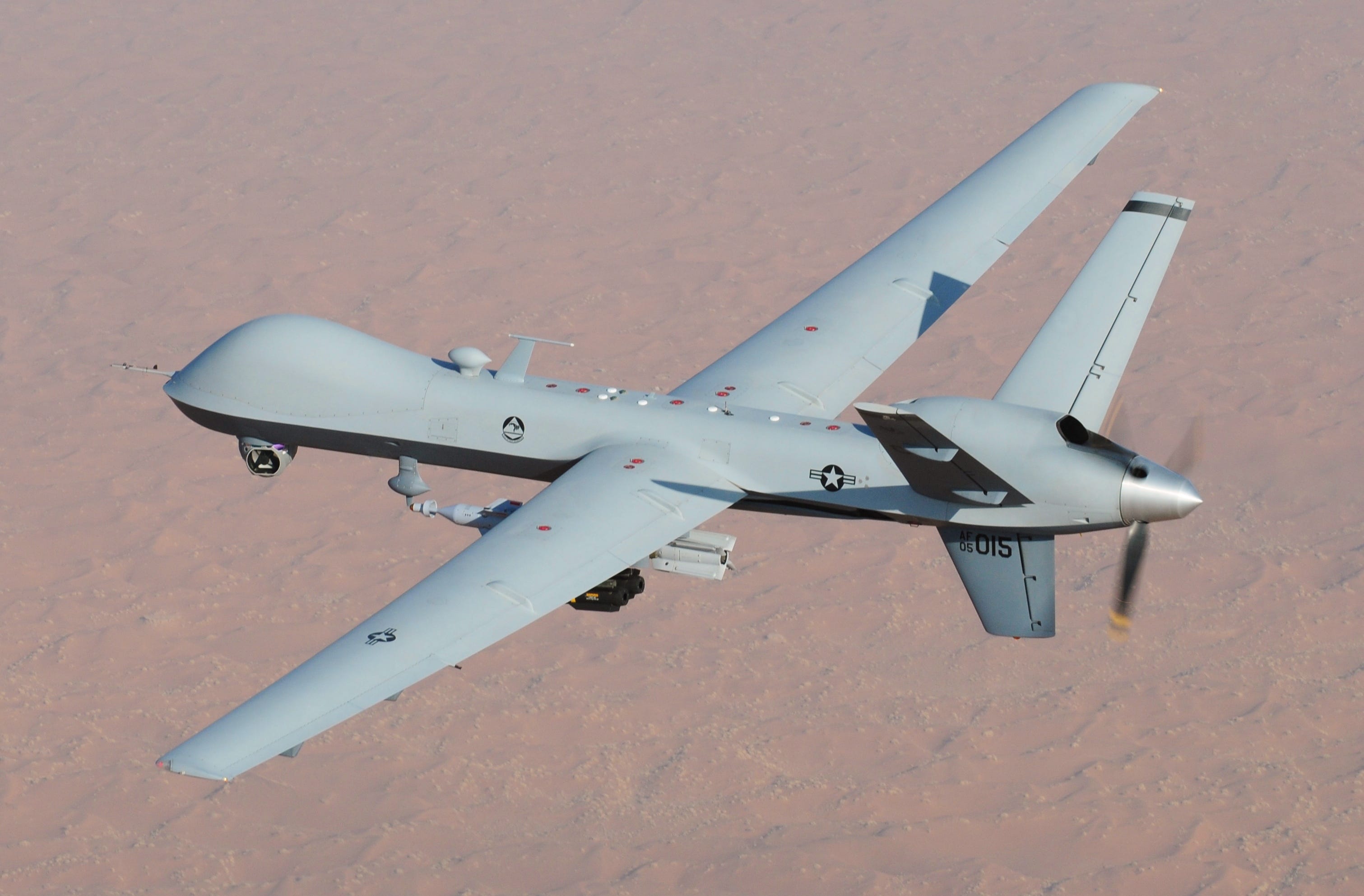
US forces have lost at least 45 MQ-9 Reaper drones during the war with Iran, roughly a quarter of the pre-war fleet, according to three US officials. The aircraft, used for surveillance and targeted strikes, cost between $30 million and $50 million each, putting the potential taxpayer cost of the losses above $1.3 billion.
The Reapers have been heavily used around the Strait of Hormuz, where their slow speed and low-altitude operations make them relatively easy targets. Not all were shot down, with some crashing after communications links failed.
The losses add to wider depletion of US weapons and munitions. In the campaign’s first month, forces fired more than 850 Tomahawk missiles and more than 1,000 Patriot and THAAD interceptors.
Those shortages have constrained President Donald Trump’s military options, while replenishment could take years even if Congress approves additional funding.
Sources: Washington Post, The Independent
Restacking this post will help it reach more readers interested in the world.

Polish Prime Minister Donald Tusk said authorities had thwarted a Russian-directed plot to kill a Ukrainian-American citizen in Warsaw, calling it the first case in which someone acting on Russian orders sought to attack a US citizen on the territory of another NATO country. The suspect, allegedly recruited by Russian intelligence services, was arrested on 7 August.
The operation was conducted with US services, while Polish officials said the intended victim was a US citizen of Ukrainian origin who was considered inconvenient by the Putin regime. Russia’s Foreign Ministry did not immediately comment.
The case adds to a wider pattern identified by Western officials, who have linked Russia to targeted killings and disruption across Europe since the 2022 invasion of Ukraine. Tusk said Poland and other countries must be prepared for further attempts to eliminate people considered inconvenient by Moscow.
Sources: The Guardian, CBS News

Romania has shut its only nuclear power station after prolonged hot weather drove Danube water levels too low to cool the Cernavodă plant. Its two reactors normally provide about one-fifth of the country’s electricity, and plant director Romeo Urjan said a restart was not expected within the next 10 days.
Romania’s Energy Ministry is seeking alternative supplies from wind power and imports, while warning that large industrial users could face evening restrictions as a last resort. Carmakers Ford and Dacia have already agreed to pause production until 19 August.
Hungary is also trying to keep its Paks nuclear plant operating as Danube levels fall. Only one of four reactors is currently running, while Prime Minister Peter Magyar said construction had begun on a low weir intended to raise the river level. Authorities also plan to sink two 80-metre barges to create an initial damming effect.
Sources: BBC, DW

Record rainfall in Japan’s Chiba prefecture has killed at least four people, disrupted roads and railways and stranded around 7,000 travellers at Tokyo’s Narita airport. More than 360 millimetres of rain fell in 24 hours in parts of the prefecture, while evacuation orders were issued for more than 400,000 people.
About 45,000 homes lost power and soldiers were deployed to assist relief efforts. It was the first time the Japan Meteorological Agency issued its highest level 5 warning for the prefecture. Chiba Governor Toshihito Kumagai described the event as an extremely unusual situation, saying he had never experienced a disaster like it.
Rainfall had eased by Friday but authorities warned that flood risks remained high. Some major highways and rail services were still disrupted, although trains between Narita and Tokyo had partially resumed. Airport officials said all flights were scheduled to operate normally, while Japan Airlines warned that some delays remained possible.
Sources: The Guardian, Reuters

An unusually powerful El Niño is raising the likelihood that 2026 becomes the hottest year on record and that 2027 sets another new high. Berkeley Earth puts the odds of a 2026 record at 69%, up from 12% in July, while scientist Zeke Hausfather estimates a 95% chance that 2027 becomes the hottest year recorded.
Hausfather’s analysis suggests global temperatures in 2027 could reach around 1.76C above preindustrial averages, roughly 0.29C above what the recent warming trend would imply. At the high end of his forecast range, temperatures could briefly reach levels otherwise expected around 2040.
The spike would be temporary rather than a new permanent baseline. Hausfather said the El Niño is occurring alongside continued greenhouse-gas emissions and an acceleration in warming, while Berkeley Earth’s Robert Rohde said conditions could resemble those normally expected a decade or more from now.
Sources: Bloomberg, Washington Post

Three Palestinian families in Qusra have remained confined to their homes for days as Israeli settlers surround the properties, with power and water cut off, according to the UN human rights office. The families, around 15 people including at least two children, were later moved into one home, which remained encircled.
Ajith Sunghay, head of the UN human rights office in the Occupied Palestinian Territory said settler violence had reached unprecedented levels and warned that Palestinians were being pushed towards displacement. The UN office said Israeli forces had either failed to protect the families or blocked medics, activists and journalists from reaching them.
The siege comes amid wider settler violence and settlement expansion across the occupied West Bank. UNRWA said more than 34,000 Palestinian refugees remain forcibly displaced from Tulkarm, Nur Shams and Jenin camps following Israel’s Operation Iron Wall.
Sources: UN, Al Jazeera
Restacking or sharing this publication means more people can read it. Commenting extends the conversation. Liking shows your appreciation.
On this day …
On this day in 1947 Pakistan became an independent state as British rule over the Indian subcontinent came to an end.
The new country was created from Muslim-majority areas of British India and initially consisted of two territories separated by roughly 1,600 kilometres of Indian territory - West Pakistan and East Pakistan. Muhammad Ali Jinnah became its first governor-general.
Partition was accompanied by enormous population movements and communal violence as millions of Muslims, Hindus and Sikhs crossed the new borders.
East Pakistan later became independent Bangladesh in 1971.
The borders created in 1947 continue to shape the politics, security and strategic relationships of South Asia today.