


Iran Vows Hormuz Blockade Will Continue
Trump Says Iran’s New Leader Is Alive but Damaged
Iran-Linked Hackers Expand Cyberattacks During War
Netanyahu Says Iran Regime Change Not Assured
Russian Support Shapes Iran’s Expanding War Tactics
US Allows Limited Sales of Russian Oil at Sea
UN Clash Deepens Over Iran Nuclear Dispute
UN Expert Warns of New Dark Age of Abuse
US Expands Tariff Push With New Trade Investigations
Canada Commits Billions to Arctic Defence Expansion

Mojtaba Khamenei used his first public statement since succeeding his father to say the lever of blocking the Strait of Hormuz must definitely continue to be used. The statement was read on Iranian state television, and he also said Iran would not refrain from avenging the blood of its martyrs and that a “file of revenge” was being kept while urging Gulf neighbours to close US military bases in the region as soon as possible.
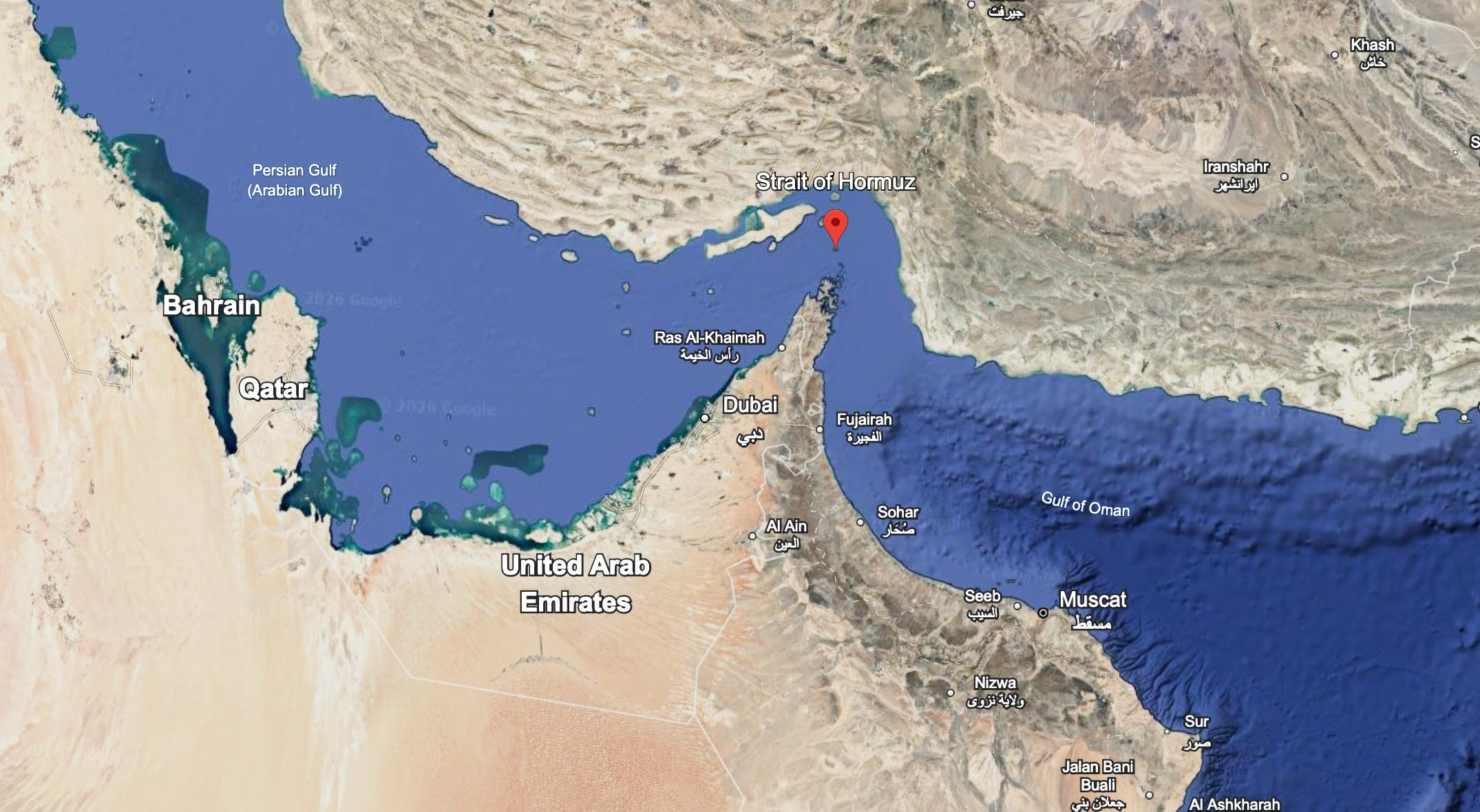
The statement came as oil shipments through the strait had largely halted since US-Israel strikes on Iran began nearly two weeks ago, causing oil prices to soar.
The waterway carries about a fifth of global oil shipments, and Iran’s central military command separately warned it would set the region’s oil and gas on fire with the slightest attack on Iran’s energy infrastructure and ports.
Sources: South China Morning Post, CBS News

Donald Trump said he believed Iran’s newly appointed supreme leader, Mojtaba Khamenei, was alive but “damaged”, after the cleric had not been seen publicly since his selection on Sunday. His first comments were instead read by a television presenter on Thursday, while an Iranian official had earlier said the new leader was lightly injured but continuing to operate.
In regards to commercial vessels hesitating to enter the Persian Gulf, Trump said “They should go through the Strait of Hormuz and show some guts.” He further added “There’s nothing to be afraid of. They have no Navy and we sunk all their ships,”
The US and Israel began attacks on Iran on 28 February, and Iran has responded with strikes on Israel and Gulf countries with US bases.
As the conflict approached the two-week mark, the leaders of Iran, Israel and the United States all voiced defiance and vowed to fight on. Other nations are being drawn into the conflict, with the French government announcing the death of a French soldier and the wounding of others as a result of an attack in Iraq’s Kurdistan region.
Sources: Reuters, Hindustan Times

Pro-Iranian hackers are targeting sites in the Middle East and starting to stretch into the United States during the war, raising the risk that defence contractors, power stations and water plants could be swept into a wave of digital disruption.
Hackers supporting Iran claimed responsibility for a significant cyberattack against the US medical device company Stryker, disrupting its global networks.
The activity reflects Iran’s long-standing investment in offensive cyber capabilities and its cultivation of ties with ideologically aligned hacking groups. Since the war began on Feb. 28, hackers have tried to penetrate cameras in Middle Eastern countries to improve missile targeting and have targeted data centres in the region as well as industrial facilities in Israel, a school in Saudi Arabia and an airport in Kuwait.
Sources: Associated Press, Al Jazeera

Israel’s prime minister said US-Israeli strikes had significantly weakened Iran’s clerical leadership but could not guarantee regime change without an uprising inside the country. Speaking in his first press briefing since the war began, he said the campaign aimed to create conditions that might enable Iranians to topple the regime but that “a regime is ultimately brought down from within”.
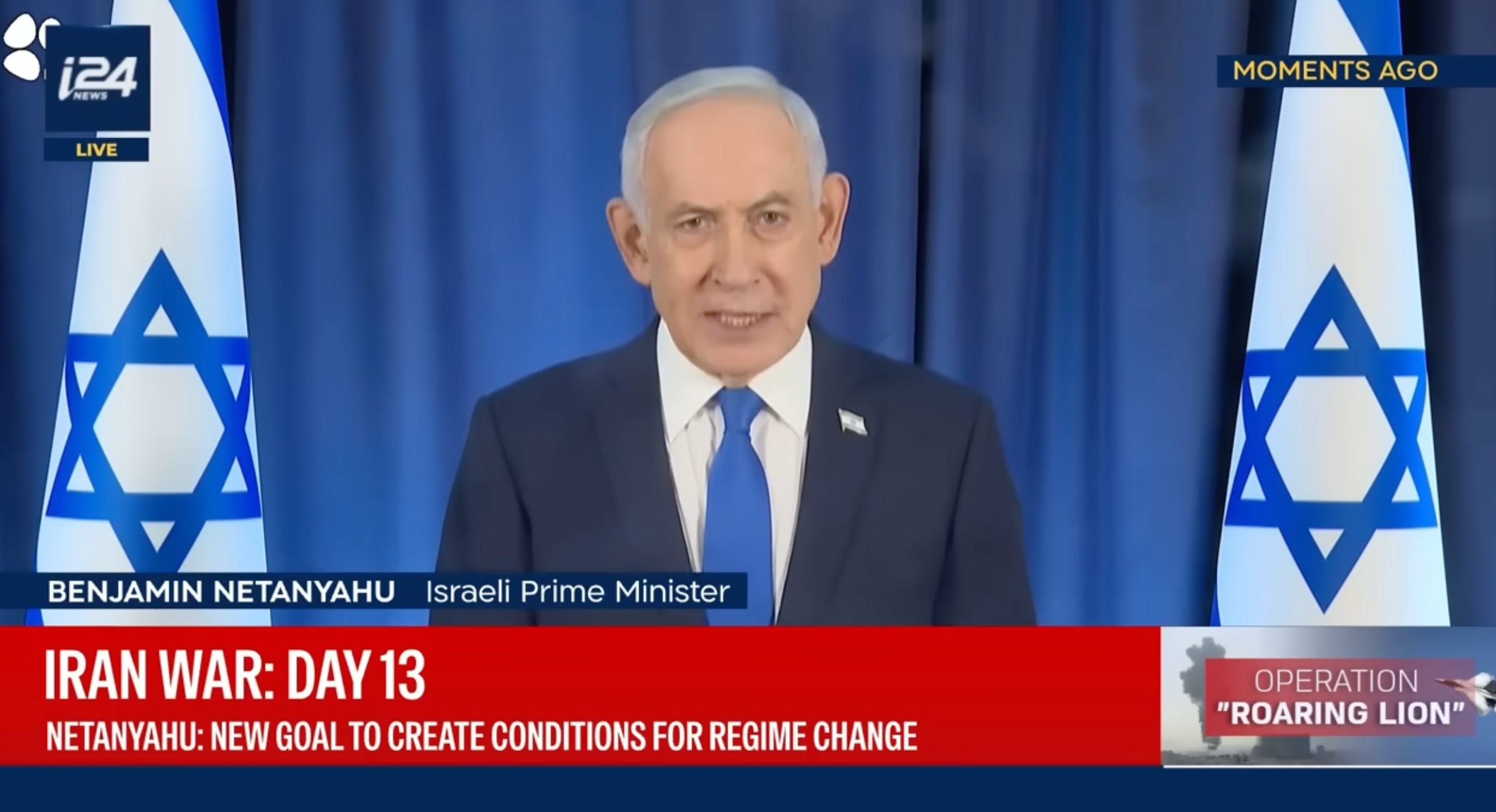
He said Israeli airstrikes had targeted Basij roadblocks and forces in Tehran and were intended to give the Iranian public space to protest. The conflict has also widened regionally, with Hezbollah firing more than 200 rockets, missiles and drones at Israeli communities as exchanges between Israel and the Iran-backed group escalated.
The Israeli leader argued that military action had been necessary after Iran accelerated efforts to revive its nuclear and missile programmes and concealed key facilities underground following the June 2025 conflict.
Sources: Bloomberg, Times of Israel

Western officials say Russia is providing Iran with intelligence support, including satellite imagery and drone targeting tactics, as Tehran widens its retaliation against the US, Israel and Gulf allies. Britain’s defence secretary said Vladimir Putin’s “hidden hand” lay behind some Iranian tactics and potentially some capabilities, while British officers reported that Iranian and proxy drone pilots were increasingly adopting Russian methods.
The shift appears on the battlefield. Iran has fired more than 2,000 Shahed drones across the Middle East since 28 February, and officers said pilots were flying them lower, making them more effective. Overnight, drones struck a western military base in Erbil, where British personnel were based, though there were no British casualties.
The intelligence support highlights how military cooperation forged during Russia’s war in Ukraine is now feeding into a wider regional conflict, with Western officials also watching for possible Chinese assistance to Tehran.
Sources: Japan Times, The Guardian

The Trump administration has issued a temporary licence allowing countries to purchase certain Russian oil products already stranded at sea, as Brent crude settled above $100 a barrel for the first time since August 2022. The measure applies only to Russian crude or petroleum products loaded on vessels as of March 12 and authorises those shipments through April 11.
The policy shift comes as the war with Iran disrupts global energy flows. The Strait of Hormuz, through which one-fifth of the world’s oil travels, has been effectively closed to tanker traffic, pushing prices higher and prompting governments to curb consumption, cap fuel prices and tap emergency reserves.
Treasury Secretary Scott Bessent said the waiver was narrowly tailored and would not provide significant financial benefit to the Russian government because most of its energy revenue comes from taxes assessed at the point of extraction.
Sources: CNN, DW

The United States and its Western allies clashed with Russia and China at the UN Security Council over Iran’s nuclear programme, as Washington sought to further justify the war launched on Iran two weeks ago. Russia and China unsuccessfully tried to block discussion of the committee responsible for overseeing and enforcing UN sanctions on Iran, but were overruled by a vote of 11-2 with two abstentions.
The US envoy said all UN member states should enforce an arms embargo on Iran, ban the transfer of missile technology and freeze relevant financial assets. He also said Iran was the only state without nuclear weapons to have produced and accumulated uranium enriched up to 60 percent and had refused to provide access to that stockpile.
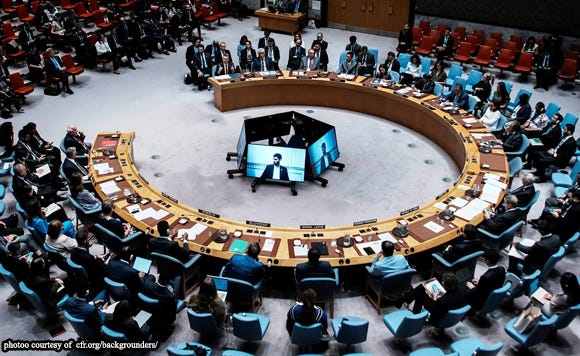
Russia and China rejected the US case, while Iran said its nuclear programme had always been exclusively peaceful and it would not recognise any attempt to enforce sanctions.
Sources: Reuters, TRT World

A United Nations special rapporteur, Ben Saul warned that the world had entered a “new dark age of abuses” in the name of countering terrorism, arguing that the war in the Middle East would not improve global security. He said the United States had been “raining death” on Iran and Venezuela, violating the right to life and making the world less safe.
He criticised the UN Security Council for passing a resolution that, in his view, failed to condemn Israeli and US aggression while condemning only Iran’s response. He also warned the conflict could lead to further destabilisation, possible insurgency, political fragmentation within Iran and destabilisation of neighbouring states through refugee flows.
The rapporteur added that few countries had spoken out because they feared US retribution, and called for an international definition of terrorism to protect human rights from both terrorism and excessive state responses to it.
Special rapporteurs are independent experts mandated by the UN Human Rights Council to report their findings.
Sources: France 24, Japan Times

The Trump administration opened a sweeping trade investigation into dozens of countries over policies on goods made with forced labour, widening its effort to rebuild a global tariff system after the Supreme Court struck down an earlier version last month. The inquiry will target 60 economies, including China, Canada, the United Kingdom, Saudi Arabia and the European Union, and is being carried out under Section 301 of the Trade Act of 1974.
The move sits alongside another major investigation announced this week into excess production in manufacturing sectors, which China denounced as a pretext for political manipulation. Administration officials have said they want to recreate their previous tariff structure by this summer, while the current 10 percent global tariff imposed under a different legal authority is set to expire in July unless Congress renews it.
The new raft of investigations has already unsettled trading partners seeking clarity on how the measures will apply.
Sources: New York Times, NPR

Canada’s prime minister announced tens of billions of dollars in new Arctic military and infrastructure spending, saying the country could no longer rely on other nations for its security and prosperity. The plan includes major investment in forward operating locations in Yellowknife, Inuvik, Iqaluit and Goose Bay, as well as billions for four new remote operating hubs to support rapid deployment across the North.

The move reflects how the Arctic has risen on Canada’s strategic agenda amid growing international tensions, Russia’s posture in the region, shifting rhetoric from the United States and the effects of climate change on northern access. The government said funding would also go towards upgraded airfields, hangars, ammunition and fuel storage, military accommodation, warehouses and information technology.
The prime minister said Canada was taking full responsibility for defending its Arctic sovereignty as it seeks greater military independence.
Sources: FT, Associated Press
On this day …
On this day in 1954, Vietnamese forces under General Vo Nguyen Giap launched their assault on the French garrison at Dien Bien Phu in northern Vietnam.
The battle became the decisive confrontation of the First Indochina War, as Viet Minh troops gradually encircled and overwhelmed the heavily fortified French position.
After nearly two months of fighting, the garrison surrendered, delivering a shock defeat to France and accelerating the end of its colonial rule in Indochina.
The outcome reshaped the geopolitical landscape of Southeast Asia and led directly to the Geneva Accords, which temporarily divided Vietnam and set the stage for the later Vietnam War.