


Strait Of Hormuz Control Fight Deepens (Conflict)
Gaza Killings Expose Ceasefire’s Limits (Middle East)
Israel Sets October Vote On Netanyahu’s Leadership (Middle East)
Zelensky Reshuffle Puts Ukraine’s Winter At Centre (Politics)
Germany Funds 50,000 Drones For Ukraine (Europe)
Heatwave Death Toll Tops 10,000 In Europe (Climate)
Typhoon Bavi Forces Mass Evacuation In China (China)
China Rejects Ruling As South Sea Dispute Rehardens (Geopolitics)
El Niño And Iran War Threaten Food Price Shock (Economy)
Bangkok Pub Fire Raises Fresh Safety Questions (Asia)
A succinct daily briefing delivered each weekday to help you stay on top of the stories shaping the world.

US and Iran are now openly contesting control of the Strait of Hormuz, shifting the conflict from a cycle of retaliation into a struggle over who can define access to a vital maritime corridor.
After new US strikes on Iranian military targets, Iran’s Islamic Revolutionary Guard Corps said it had struck US military bases in Kuwait, Jordan and Bahrain. Iranian state media said one person was killed and four injured in the latest attacks on Iran.
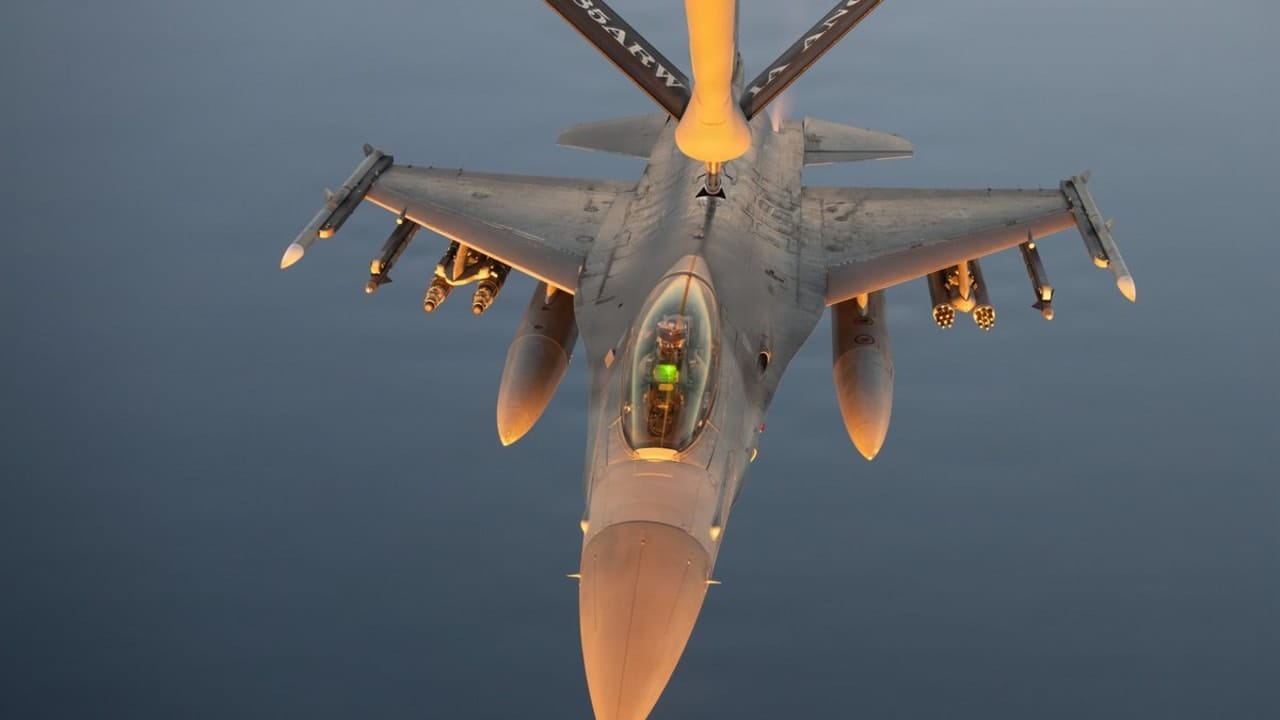
The dispute over the strait now sits at the centre of the confrontation. US Central Command said the waterway is open and described it as vital for global trade, while Iran said it is closed and insisted it must control it. Brent crude rose 4% in Asia to $79.07 a barrel. Mediators are still trying to de-escalate, but the attacks have underlined that those efforts have yet to restore control over the waterway or stop the fighting.
Sources: BBC, Associated Press

Israeli attacks in Gaza killed at least six people on Sunday, including 9-year-old Tala Abu Matar, underlining how little protection the October 2025 ceasefire now offers civilians even as mediators keep trying to preserve it.
Medics said Israeli gunfire killed the girl at a tent encampment in Al-Bureij refugee camp, while an air strike on a metal foundry in Gaza City’s Sabra neighbourhood killed four people. Later, another strike on a tent encampment in Mawasi killed at least one person and wounded several others, including children.
The violence came as Hamas leaders visited Cairo for talks on the second phase of US President Donald Trump’s Gaza peace plan. Those discussions include Hamas disarmament and Israeli army withdrawals, but sources close to the talks said there had not yet been a breakthrough. The ceasefire halted major fighting, but it has failed to stop attacks that have killed more than 1,000 Palestinians since it took effect.
Sources: South China Morning Post, Reuters

Israel will hold national elections on October 27, setting up a vote widely seen as a referendum on Prime Minister Benjamin Netanyahu’s leadership. The Knesset said the election will take place on the latest date legally allowed, with Netanyahu’s coalition becoming the first in half a century to complete a full four-year term. Netanyahu confirmed in June that he will run again.
The campaign is already taking shape around whether voters still trust Netanyahu to lead. Current polling cited by broadcasters KAN and Channel 12 has Likud on 23 seats, neck-and-neck with former military chief Gadi Eisenkot’s Yashar party.
The election comes as Netanyahu faces criticism over security failures tied to the October 7 attacks, the war in Gaza, and wider disputes over coalition politics, judicial change and military service exemptions.
Sources: ABC News, Al Jazeera

Ukrainian Prime Minister Yulia Svyrydenko stepped down on Sunday as President Volodymyr Zelensky said Ukraine was changing its political strategy, opening a fresh wartime government reshuffle. Zelensky said he had offered Svyrydenko leadership of a new and important area in relations with a key international partner, while also signalling changes in the leadership of Ukraine’s law enforcement agencies.
The overhaul places winter preparedness at the centre of decision-making as Russia continues to target Ukraine’s power and heating infrastructure with ballistic missile strikes. Zelensky said preparing for winter was an extremely important priority and that Ukraine had to be ready for any threats that might arise.
The reorganisation, which would be the fourth major overhaul since Russia’s full-scale invasion, comes as Kyiv seeks fresh momentum in government while war fatigue and pressure on critical infrastructure continue.
Sources: South China Morning Post, Bloomberg

Germany is funding 50,000 strike drones for Ukraine in one of the biggest known Western drone purchases for Kyiv, underscoring how quickly unmanned systems are moving from battlefield tool to core military supply line. The order covers Shrike first-person-view drones made by Ukrainian manufacturer SkyFall and fitted with software from US defence technology firm Auterion designed to autonomously track and hit moving targets in the final phase of flight.
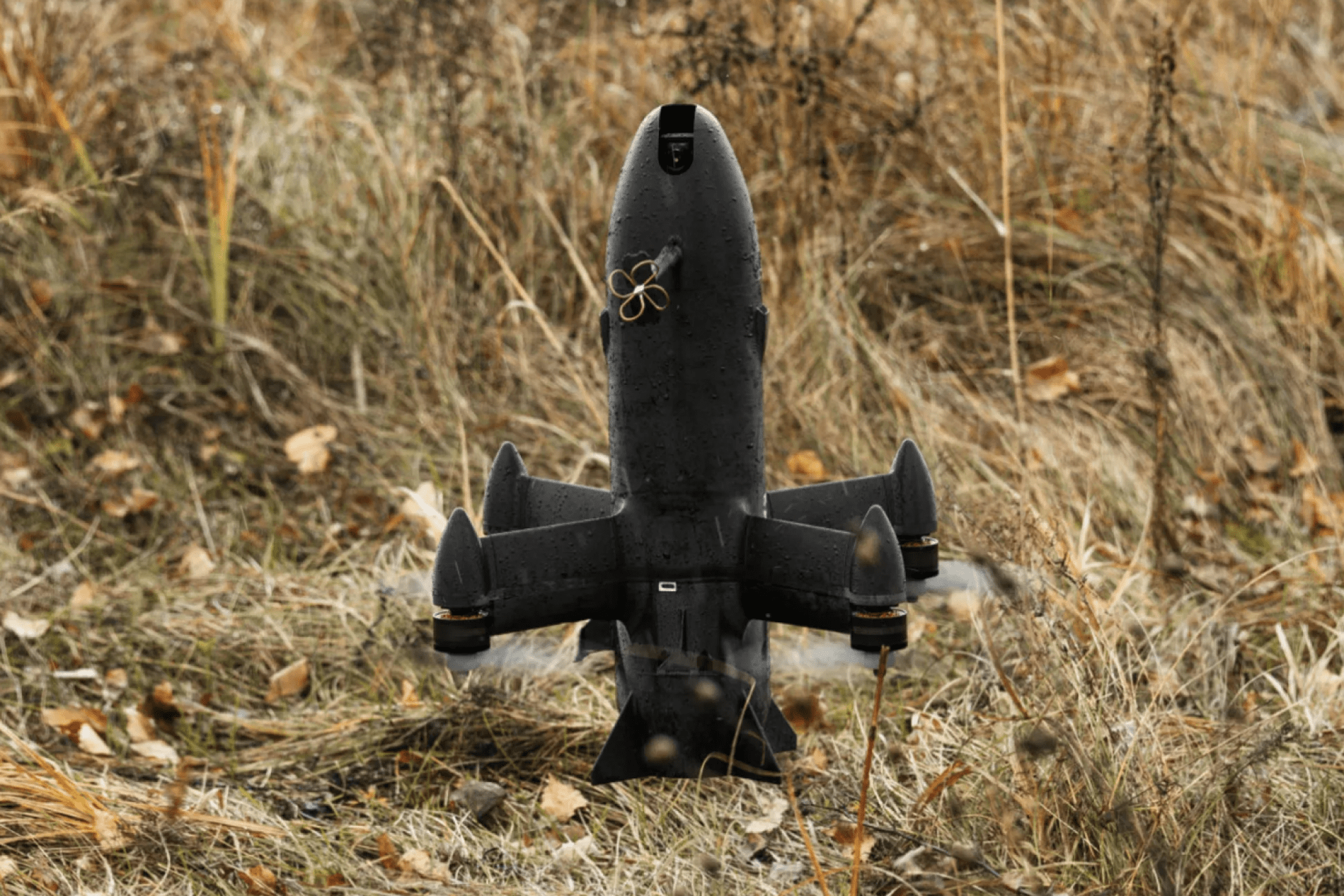
Auterion chief executive Lorenz Meier said the contract was worth about €90 million and funded by a European country, with some drones already delivered and the rest due this year.
Germany’s role was confirmed by SkyFall, while Berlin’s Defence Ministry declined comment on operational security. The deal follows other large-scale drone commitments as Britain said last month it would provide 150,000 drones this year.
Sources: Japan Today, News Ukraine
Restacking this post will help it reach more readers interested in the world.

European countries recorded 10,650 excess deaths during the record-breaking late-June heatwave, in an official estimate that points to the human cost of extreme heat across the continent.
Data published by EuroMOMO, a network backed by the European Centre for Disease Prevention and Control and the World Health Organization, showed more than 9,000 of the deaths were among people aged 65 and above during the week of June 22 to 28.
Scientists said there were no other known major factors, such as Covid-19 outbreaks, to explain the spike and said the heatwave would have been virtually impossible without human-caused climate change.
The heatwave disrupted power supplies, shut schools and broke temperature records in France, Spain and the UK, while France and Belgium were the only countries to record very high excess mortality. Official figures may yet be revised as more data comes in.
Sources: Reuters, Times of India

Typhoon Bavi made landfall in eastern China after crossing the Pacific, forcing a vast evacuation and extending a week of storm disruption across the region. The storm first came ashore in Taizhou on Saturday evening before making a second landfall in Wenzhou around midnight.
More than 1.7 million people were evacuated in Zhejiang and thousands more in neighbouring provinces, while schools, work and outdoor activities were suspended and hundreds of flights and dozens of train services were cancelled.
Though Bavi weakened to a severe tropical storm, authorities warned it still posed risks because of the volume of moisture in its rain bands. The storm had already brought heavy rain to Taiwan after passing Japanese islands, while earlier landslides in the Philippines killed at least 17 people. Parts of southern China are also still recovering from Typhoon Maysak, which left at least 39 people dead earlier last week.
Sources: BBC, Associated Press

China has renewed its rejection of the 2016 South China Sea arbitration ruling, using the 10th anniversary of the decision to cast US-led military deployments as the main threat to regional stability. In a statement on Sunday, Beijing said the ruling was illegal and invalid, asserted its historic rights, and said continuous deployments, reckless manoeuvres and instigations by external powers such as the United States were the primary threat to peace in the waterway.
The response followed a joint statement from a 14-nation coalition led by the United States and the Philippines reaffirming support for a free, open and rules-based Indo-Pacific. Signatories included Japan, Australia and Britain. Beijing also protested after Japanese Foreign Minister Toshimitsu Motegi said China’s refusal to accept the ruling was against the principle of peaceful settlement of disputes.
Sources: South China Morning Post, Bloomberg

Economists are warning that a super El Niño this year could trigger a severe global food price shock lasting into 2028, adding a climate-driven supply shock to inflation already fuelled by the Iran war.
Scientists said the 2026-27 cycle has a historically unprecedented chance of becoming a very strong event, while the National Oceanic and Atmospheric Administration said there is a 63% chance sea surface temperatures will exceed 2C above normal later this year.
Analysts said the world now faces two shocks at once. Goldman Sachs said the strength of this El Niño could cause a 15.8% surge in global food commodity prices, with the consequences not fully realised until the second half of 2028. UBS said the weather cycle would compound disruption from the Iran war through higher prices and shortages of fertiliser and energy supplies.
Sources: Bloomberg, The Guardian

A fire at a Bangkok pub killed at least 27 people and injured 63 others late Sunday, with most fatalities caused by smoke inhalation after patrons became trapped at the rear of the venue.
Prime Minister Anutin Charnvirakul said musicians reported the blaze began at a circuit breaker on the stage, followed by a blackout and an explosion. Firefighters brought the blaze under control within about half an hour, but 22 of the injured were reported to be in serious condition.
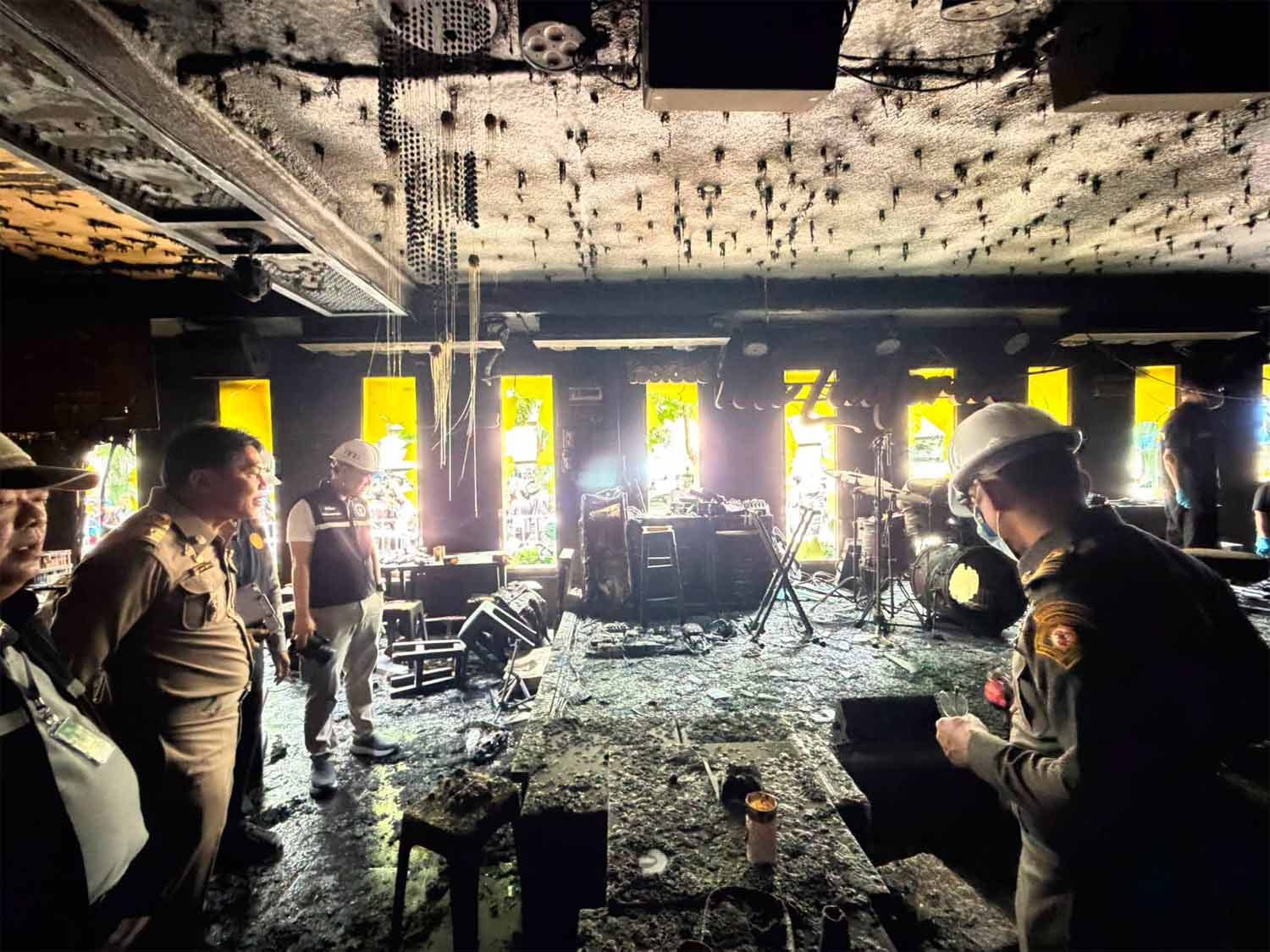
Bangkok governor Chadchart Sittipunt said the fire spread rapidly through ceiling decorations and toxic smoke from burning plastic. He said around 300 customers were inside when the fire broke out, and that some people, confused by the smoke, ran into toilets while others collapsed in front of fire exits, blocking escape routes. Although the pub had passed inspection in April, authorities said an inquiry would examine the venue’s layout and safety compliance.
Sources: New York Times, Bangkok Post
Restacking or sharing this publication means more people can read it. Commenting extends the conversation. Liking shows your appreciation.
On this day …
On this day in 1930, the first FIFA World Cup opened in Uruguay, bringing together 13 national teams in the first global tournament dedicated solely to international football.
Organised by the newly established FIFA, the competition marked a significant step in the growth of organised international sport and reflected an increasingly connected world.
Over the decades, the tournament has expanded into one of the world’s largest global events, watched by billions and often serving as a stage for issues extending far beyond the pitch, from diplomacy and national identity to human rights and political debate.
FIFA has long maintained that football should unite rather than divide, but can a tournament of such global significance ever truly remain separate from politics?