


Failed Iran-US Talks Leave Truce On Unsteady Ground
US Moves To Choke Iranian Ports After Talks Fail
Saudi Restores East-West Pipeline To Full Capacity
Trump Attacks Pope Leo As Iran War Rift Deepens
Orbán Falls As Magyar Wins Huge Majority
Easter Truce Cracks As Ukraine Talks Stall
Ireland Cuts Fuel Tax As Protests Disrupt Supply
UK Freezes Chagos Handover After US Objections
Israel And Turkey Trade Sharp New Threats
Nigeria Air Strike Hits Market With Mass Casualties

US-Iran talks in Islamabad ended without agreement, leaving the two-week ceasefire under renewed strain and exposing how far apart the sides remain on core terms. JD Vance said Iran had failed to give assurances that it would not seek a nuclear weapon, while Mohammad Bagher Qalibaf said the United States must decide whether it could gain Iran’s trust.
The talks also stalled over control of the Strait of Hormuz, with Iranian officials signalling that the waterway remained a central sticking point. Pakistan said it would try to facilitate a new round of dialogue, but Donald Trump responded by saying the US Navy would impose a blockade controlling all access in and out of the strait.
The collapse pointed to a broader strategic deadlock. Even as middle powers helped bring the two sides together, neither Washington nor Tehran showed signs of shifting its position.
Sources: Associated Press, Bloomberg

Donald Trump said the US military would begin blockading Iranian ports after weekend talks in Islamabad collapsed over Iran’s nuclear programme, despite a ceasefire meant to pause the six-week war until April 22. US Central Command said the blockade would start at 1400 GMT on Monday and apply to vessels of all nations entering or departing Iranian ports and coastal areas.
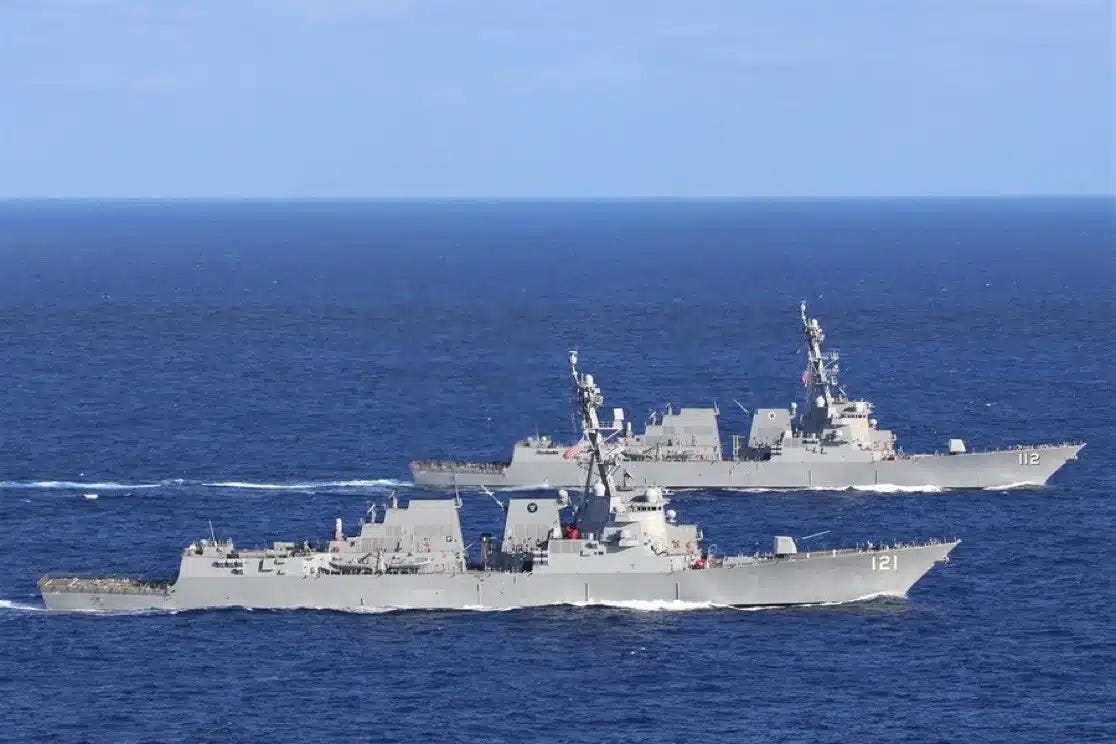
Trump said the Navy would also interdict vessels in international waters that had paid Iran a toll and begin destroying mines he said Iran laid in the strait. Tehran said it would not bow to threats, while Iran’s Revolutionary Guards warned they controlled traffic through Hormuz and would trap any challenger in a deadly vortex.
The breakdown raised fresh doubts over the truce and jolted energy markets. Traffic through the strait had already slowed sharply, with one report saying about one-fifth of global oil and liquefied natural gas shipments had been nearly paralysed.
Sources: Al Jazeera, Le Monde

Saudi Arabia said it restored full pumping capacity on its East-West oil pipeline to about seven million barrels per day after attacks during the Iran conflict damaged energy infrastructure and reduced throughput. The pipeline had been Saudi Arabia’s only crude export route amid the closure of the Strait of Hormuz.
The kingdom said the strikes had cut oil production capacity by about 600,000 barrels per day and reduced pipeline throughput by about 700,000 barrels per day. It said affected volumes from the Manifa oilfield, where output had been reduced by around 300,000 barrels per day, had been recovered, while work continued to restore full output at the Khurais facility after further losses of about 300,000 barrels per day.
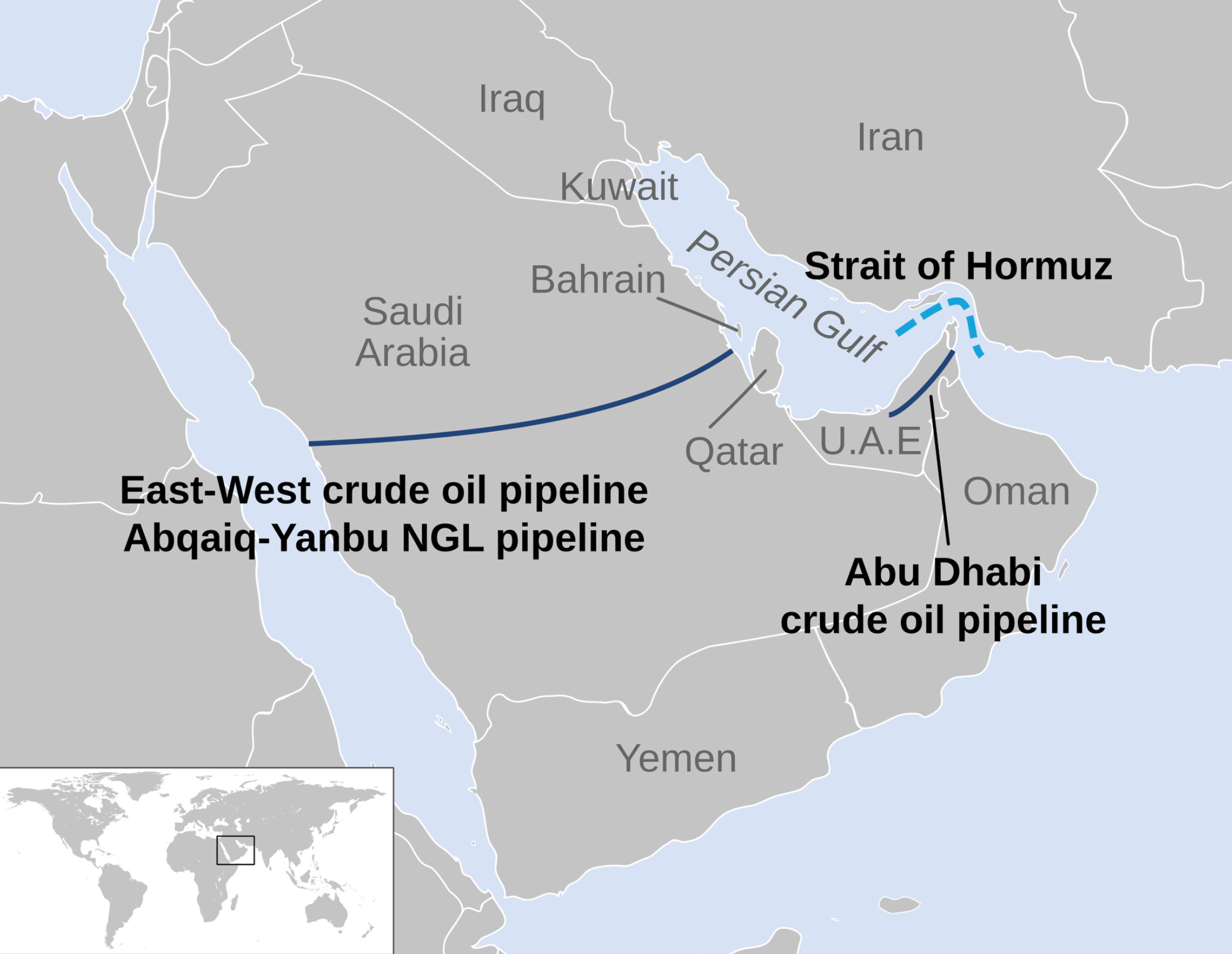
The ministry said the recovery would enhance the reliability and continuity of supplies to local and global markets.
Sources: Reuters, Bloomberg

Donald Trump sharply criticised Pope Leo XIV after the pontiff warned that a “delusion of omnipotence” was fuelling the US-Israel war in Iran. Trump said he was “not a fan” of the pope and described him as “a very liberal person” who should “stop catering to the Radical Left”.
Trump also said he did not want “a Pope who thinks it’s OK for Iran to have a Nuclear Weapon” and repeated the criticism in comments to reporters. Pope Leo had earlier said that God “does not listen to the prayers of those who wage war” and had described threats of mass strikes against Iranian infrastructure as “truly unacceptable”.
Archbishop Paul S. Coakley said he was “disheartened” by Trump’s comments, calling the pope “the Vicar of Christ who speaks from the truth of the Gospel and for the care of souls”.
Sources: South China Morning Post, Associated Press

Viktor Orbán conceded defeat after Hungary’s opposition Tisza party secured a landslide parliamentary victory, ending his 16 years in power. With 99 per cent of votes counted, Tisza was projected to win 138 of 199 seats, enough for a two-thirds majority, while Orbán’s Fidesz was projected to take 55. If Tisza do achieve a two-thirds majority it will allow them to change the constitution and reverse many of the measures previously introduced by Orbán.
Péter Magyar told supporters in Budapest that Hungary had been liberated from the Orbán regime and said all signs pointed to a peaceful, efficient transfer of power. Orbán said he and his allies would serve the country from opposition. The result is set to reverberate across Europe after years in which Orbán obstructed support for Ukraine and posed one of the EU’s most serious internal threats to unity.
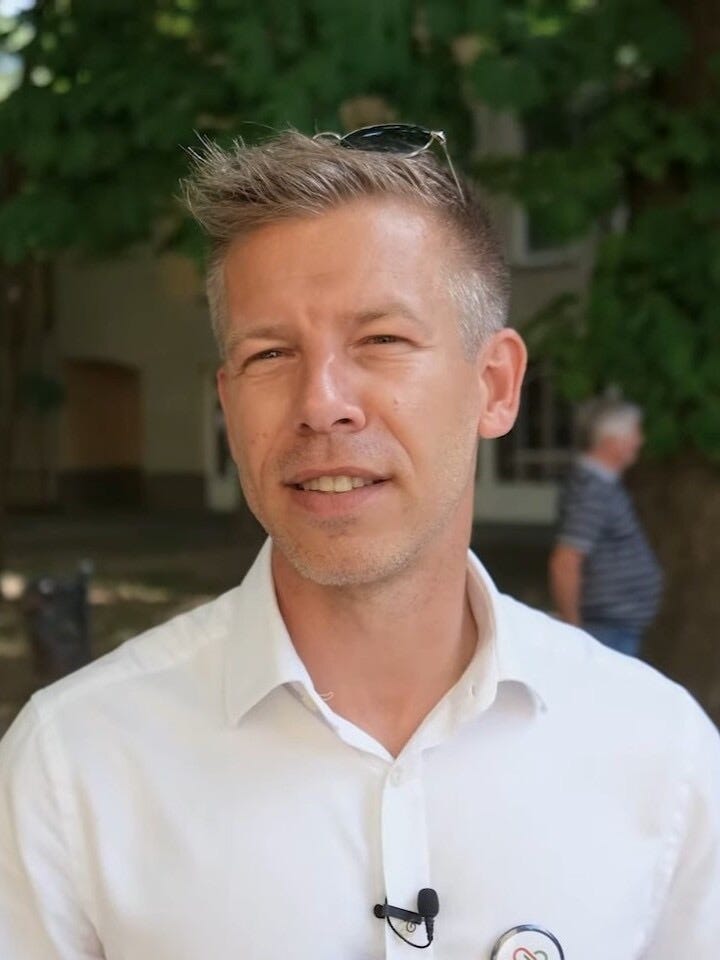
EU leaders welcomed the result. Ursula von der Leyen said Hungary had chosen Europe, while Friedrich Merz said he was looking forward to working with Magyar for a strong, secure and united Europe.
The loss for Orbán came despite substantial vocal support from Donald Trump and JD Vance.
Sources: FT, The Guardian

Russia and Ukraine accused each other of breaching a 32-hour Orthodox Easter ceasefire, underlining how little the pause changed conditions on the ground. Ukraine’s military said that by 7am on 12 April it had recorded 2,299 violations, including 28 assaults, 479 shellings and 1,792 explosive-drone strikes, while Russia’s defence ministry claimed nearly 2,000 Ukrainian breaches.
Volodymyr Zelenskyy called for a longer ceasefire, but Kremlin spokesman Dmitry Peskov said Russia would not extend the truce unless Kyiv accepted Moscow’s terms. Even so, Ukraine’s army said it had recorded no long-range Shahed drone attacks, guided aerial bombings or missile strikes during the pause.
The episode left both sides accusing the other of bad faith while signalling interest in talks that remain stalled. With Washington’s attention shifting towards Iran, the ceasefire looked more like battlefield positioning than a step towards peace.
Sources: Wall Street Journal, Al Jazeera

Ireland announced a €505 million package of fuel-cost measures after days of protests disrupted distribution sites, blocked major roads and strained supply across the country. Micheál Martin said the government would extend temporary excise-duty cuts on petrol, diesel and marked gas oil, postpone a carbon tax increase, and introduce a fuel subsidy scheme for farmers and fisheries.
The measures came after police cleared protesters from O’Connell Street in Dublin, Galway port and other key locations, while earlier operations reopened access to the Whitegate refinery. Martin said the government had acted with representative groups and would not negotiate directly with protest leaders, adding that nobody had the right to blockade the country.
The unrest has left hundreds of petrol stations without fuel and put emergency services under increasing pressure. The package still requires parliamentary approval, while Sinn Féin plans a no-confidence motion over the government’s handling of the crisis.
Sources: Politico Europe, BBC

Britain has paused plans to hand the Chagos Islands to Mauritius after Donald Trump criticised the agreement and Washington failed to give the approval needed for it to proceed. The proposed deal would have transferred sovereignty while allowing Britain to keep the Diego Garcia military base on a 99-year lease, with an option to extend.
The British government said it still believed the agreement was the best way to protect the long-term future of the base, but would only proceed with US support. Simon McDonald said the government had no other choice and that the agreement would go into the deep freeze for the time being.
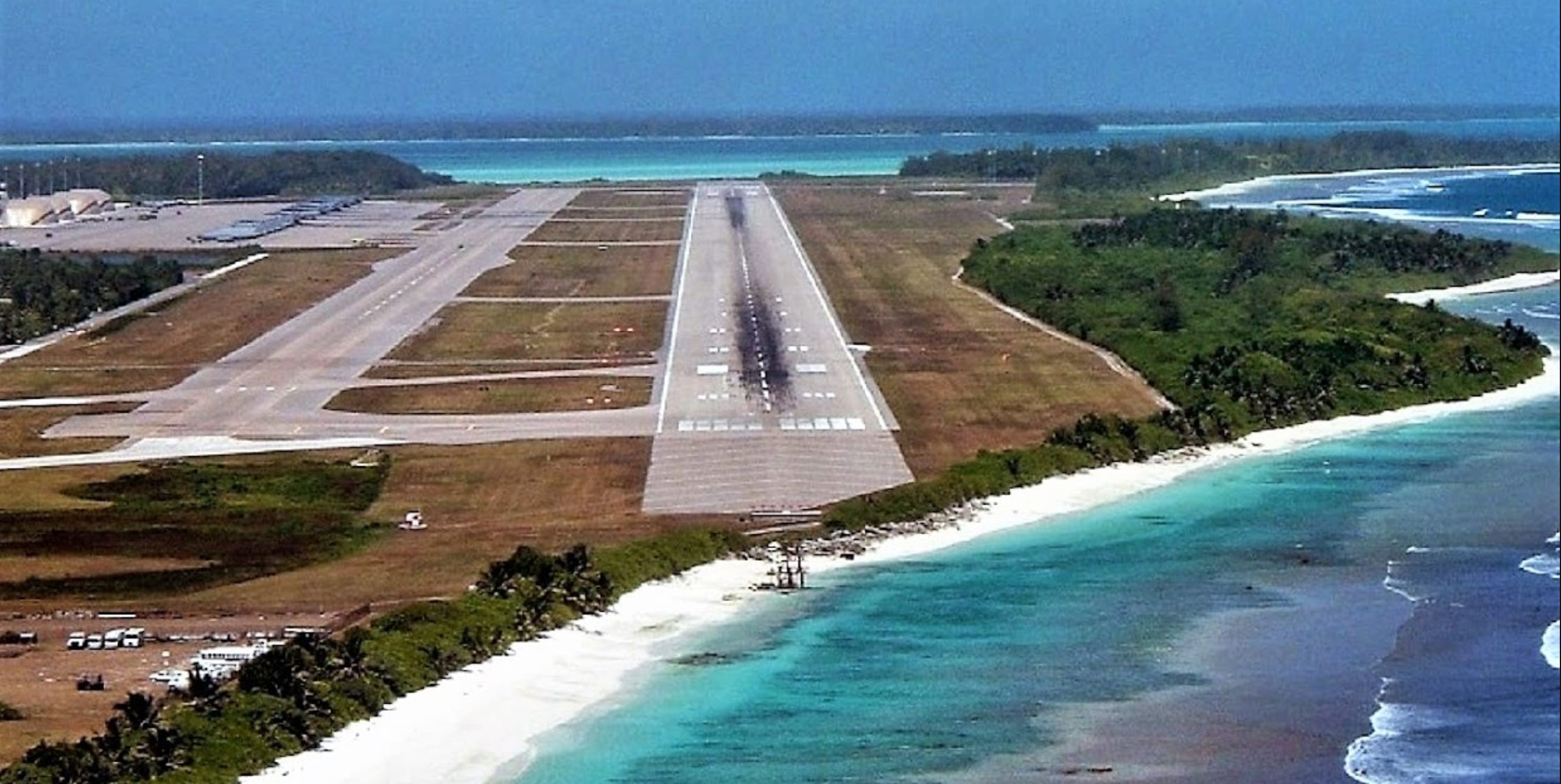
Mauritius said it would continue to pursue diplomatic and legal avenues to complete decolonisation. The setback adds to wider strain in US-UK relations, with the islands now sitting at the intersection of alliance politics, sovereignty disputes and military strategy.
Sources: DW, The Guardian

Israel and Turkey exchanged sharp accusations after Israeli leaders attacked Recep Tayyip Erdogan and Ankara answered by calling Benjamin Netanyahu “the Hitler of our time”. Netanyahu accused Erdogan of accommodating Iran’s proxies and “massacred his own Kurdish citizens”, while Turkish officials said Netanyahu was trying to undermine peace negotiations between Iran and the United States.
The row widened after reports that Turkish prosecutors sought prison terms for 35 Israeli officials, including Netanyahu, over alleged crimes against humanity and genocide and over stopping the Sumud flotilla from reaching Gaza in 2025. Israeli Defence Minister Israel Katz called Erdogan a “paper tiger”, while Itamar Ben Gvir replied with an obscenity.
Even as rhetoric escalated, Turkey said it had joined diplomatic efforts with Egypt and Pakistan to secure a ceasefire and warned Donald Trump of possible provocations and sabotage that could undermine it.
Sources: Hindustan Times, Times of Israel, Middle East Eye

At least 200 people were feared dead after Nigerian military aircraft struck a weekly market in Jilli village in Yobe state while pursuing Boko Haram militants, according to local officials and residents. Lawan Zanna Nur Geidam said those injured were taken to hospitals in Yobe and Borno, while three residents and a humanitarian agency official confirmed the estimated death toll.
Nigeria’s Air Force said it had killed Boko Haram fighters in an air strike on the Jilli axis in Borno state and activated its Civilian Harm Accident and Investigation Cell to carry out a fact finding mission after reports of civilian casualties. Amnesty International said more than 100 people had been killed and 35 others wounded.
The strike occurred in a region at the heart of a long running insurgency that has killed thousands of people and displaced millions more.
Sources: South China Morning Post, Al Jazeera
On this day …
On this day in 1975, fighting in Beirut helped trigger the Lebanese Civil War, a 15-year conflict that drew in regional and international actors and reshaped Lebanon’s political order.
What began as clashes between militias quickly escalated into a complex war involving sectarian factions, Palestinian armed groups, Syria, Israel, and shifting alliances across the Cold War landscape.
The conflict weakened state institutions and left a lasting imprint on Lebanon’s governance, demographics, and regional role. Its legacy still influences today’s fragile balance of power in the eastern Mediterranean.
Nearly fifty years later, how much of Lebanon’s present instability can still be traced to that turning point?
Thank you 😊