


Oil Tanker Attacks Signal Escalating Energy Shock
Inquiry Finds U.S. Responsible For Iran School Strike
Iran War Cost Surpasses $11 Billion In Six Days
Russia Shares Drone Warfare Tactics With Iran
US Intelligence Sees Iran Leadership Still Intact
Hezbollah Barrage Pushes Lebanon Front Wider
Iran War Threatens Global Fertilizer Supply
Starmer Ignored Warning On Mandelson Risk
Trump Moves To Restore Tariffs After Court Defeat
Kast Opens Chile Presidency With Security Drive

Iranian explosive-laden boats appeared to attack two fuel tankers in Iraqi waters, setting them ablaze and killing one crew member as the conflict triggered by U.S. and Israeli strikes on Iran spread across the Gulf. Authorities said one person died and dozens were rescued near Iraq’s port of Umm Qasr, while additional vessels were struck by projectiles around the Strait of Hormuz.
The escalation disrupted a crucial global oil corridor through which roughly a fifth of the world’s supply normally passes. Oil prices, which had earlier surged to nearly $120 a barrel, jumped almost 10% again to move back above $100 in Asian trading as fears of supply disruption intensified. The oil price remains extremely volatile, responding to news of the war as it hits the airwaves.
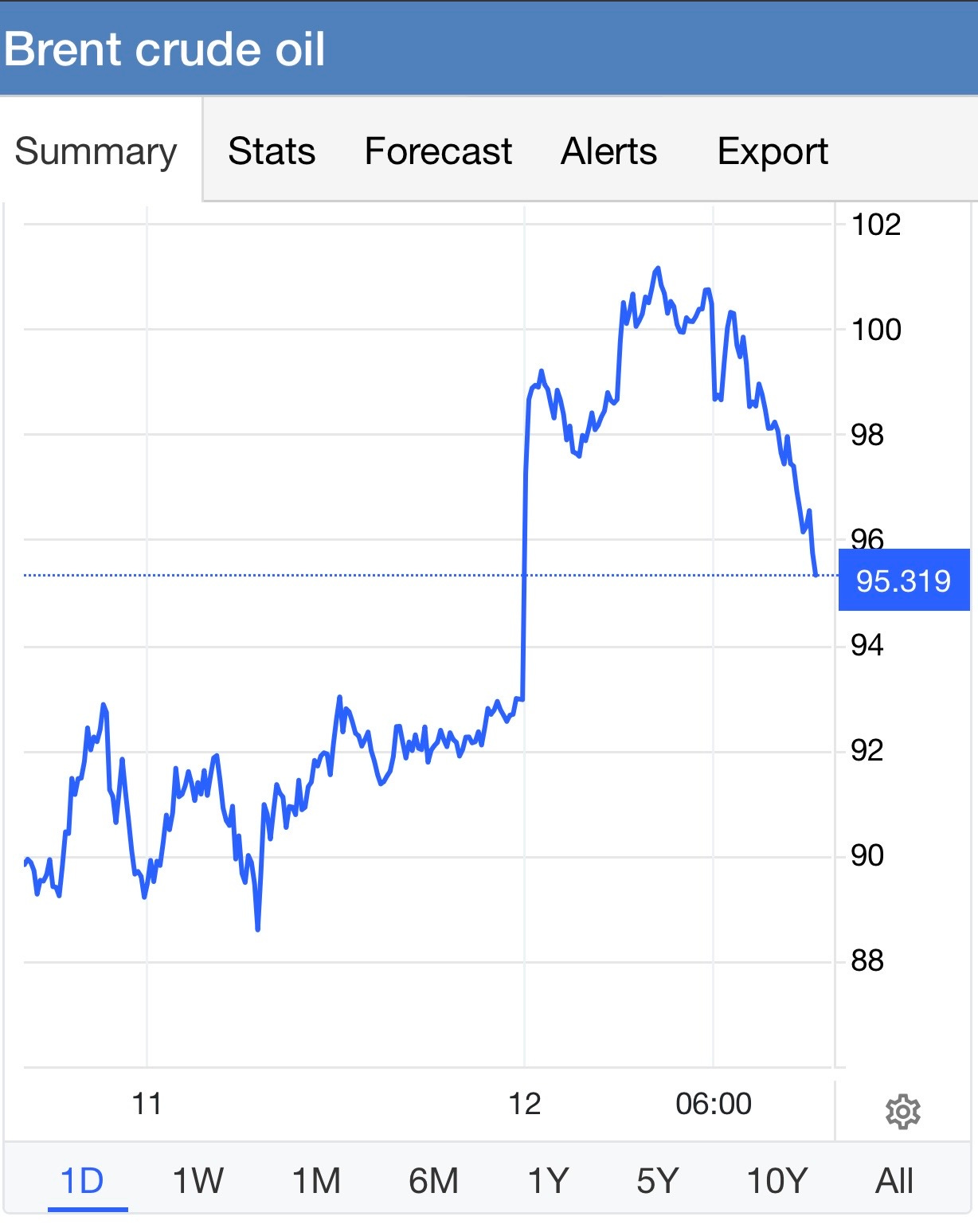
The International Energy Agency recommended releasing 400 million barrels from global strategic reserves - the largest intervention in history - while U.S. authorities authorised a release of 172 million barrels from the Strategic Petroleum Reserve to counter what officials warned could become one of the worst oil shocks since the 1970s.
Sources: Reuters, BBC

A preliminary military investigation has determined that the United States was responsible for a Tomahawk missile strike that hit an elementary school in the Iranian town of Minab on 28 February, killing at least 175 people, most of them children. Officials said the strike occurred during attacks on a nearby naval base used by Iran’s Revolutionary Guards.
Investigators found that officers at U.S. Central Command generated targeting coordinates using outdated data supplied by the Defense Intelligence Agency. The school building had previously been part of the military base but had later been converted into an educational facility.
The inquiry is still ongoing and officials say key questions remain about why the outdated intelligence was not verified. The finding has cast a shadow over the U.S. military operation in Iran and comes after President Donald Trump publicly suggested that Iran, rather than the United States, might have been responsible for the strike.
Sources: New York Times, The Guardian

Officials from the Trump administration told lawmakers that the first six days of the war with Iran cost the United States at least $11.3 billion, according to a closed-door congressional briefing. The figure was shared with senators seeking more information about the scale and financial implications of the conflict.
Officials said the estimate did not include all costs associated with the operation, such as the buildup of military equipment and personnel ahead of the first strikes. Lawmakers therefore expect the total cost of the war to rise considerably as further spending is calculated.
Administration officials also told Congress that $5.6 billion worth of munitions were used during the first two days of strikes. The campaign against Iran began on 28 February with U.S. and Israeli airstrikes and has since expanded across the region, raising concerns in Congress about the potential need for additional funding and the impact on U.S. military stockpiles.
Sources: Reuters, New York Times

Western intelligence officials say Russia is providing Iran with specific advice on drone tactics drawn from its war in Ukraine, signalling a new level of cooperation between the two countries as conflict spreads across the Middle East. The assistance focuses on targeting strategies used with Iranian-designed Shahed drones that Moscow has deployed extensively in Ukraine.
Officials say Russia has used the drones in coordinated waves that change course in flight to evade air defences, a tactic that has proved difficult to intercept. The same systems have recently been used in attacks against U.S. and Gulf targets during the current conflict.
The intelligence assessment suggests Moscow has moved beyond general assistance and is now sharing operational experience from the battlefield. Analysts say the shift could significantly increase the effectiveness of Iranian drone attacks as tensions in the Gulf intensify.
Russia has denied sharing intelligence with Iran.
Sources: CNN, Moscow Times

U.S. intelligence assessments indicate Iran’s leadership remains largely intact and is not at risk of collapse despite nearly two weeks of U.S. and Israeli bombardment, according to sources familiar with the reports. Multiple intelligence analyses concluded the government retains control of the population even after the killing of Supreme Leader Ayatollah Ali Khamenei in the first wave of strikes.
The reports say Iran’s security apparatus and interim leadership structures continue to function, including the Islamic Revolutionary Guard Corps, which remains central to the country’s political and military control. The Assembly of Experts has since appointed Khamenei’s son, Mojtaba Khamenei, as the new supreme leader.
The assessment complicates expectations that the military campaign could quickly destabilise Iran’s clerical government. Intelligence officials caution that conditions inside Iran remain fluid, but current analysis indicates the state’s core institutions continue to operate despite the deaths of senior commanders and leadership figures.
Sources: Reuters, The Guardian

Hezbollah launched at least 150 rockets at northern Israel over several hours on Wednesday, in its largest attack since hostilities intensified earlier this month. The assault, which sent hundreds of thousands of Israelis to shelters, came alongside Iranian missile fire that the Islamic Revolutionary Guard Corps described as a joint and integrated operation.
Most of the Iranian missiles were intercepted, and air defences also worked against the Hezbollah barrages, though several impacts caused fires and two people were lightly injured. The attacks later extended into central Israel, where a home in Moshav Haniel was directly struck but no one was injured.
Israel responded with heavy airstrikes on Hezbollah strongholds in southern Beirut, saying it destroyed 10 command posts there and dozens of rocket launchers across Lebanon. Israeli officials warned that the fighting was heading toward a serious escalation unless the Lebanese government acted against Hezbollah.
Sources: Times of Israel, ABC News

Disruption around the Strait of Hormuz is pushing up the cost of fertilisers such as urea, ammonia and other nitrogen products at a critical moment for global agriculture. Analysts warn that the conflict is hitting a route used not only for oil and gas shipments but also for large volumes of fertiliser essential to spring planting and wider food production.

The immediate risk is higher input costs for farmers, especially in countries that rely heavily on imported fertiliser from Gulf producers. Analysts say South and Southeast Asia, parts of sub-Saharan Africa and major agricultural exporters such as Brazil could all face rising costs if disruption persists through key planting and import periods.
The concern is that higher fertiliser prices will not remain confined to farm inputs. If farmers cut usage because of cost, crop yields could fall, while higher energy costs would add pressure across the food supply chain from production to transport and processing.
Sources: Bloomberg, CNBC

Documents released by the British government show Keir Starmer was warned that appointing Peter Mandelson as ambassador to the United States carried “reputational risk” because of his relationship with Jeffrey Epstein. The files indicate senior officials flagged the issue before Mandelson was chosen for one of Britain’s most important diplomatic posts.
The documents say Mandelson’s friendship with Epstein continued after Epstein’s 2008 conviction and note he reportedly stayed in Epstein’s house while Epstein was in jail in June 2009. Officials also raised wider concerns about Mandelson’s previous public scandals.
The disclosures have intensified political pressure on Starmer, who fired Mandelson after nine months in the job when further details of the relationship emerged. Newly released files also show Mandelson was offered highly classified briefings before his formal vetting process had been completed, raising further questions about the government’s judgment and appointment procedures.
Sources: Associated Press, The Guardian

The Trump administration has launched a new trade investigation into 16 major trading partners as it tries to rebuild a tariff regime recently struck down by the Supreme Court. The inquiry will examine what officials describe as structural excess capacity and production in foreign manufacturing sectors and is expected to lead to new import taxes later this summer.
The investigation targets China, the European Union, Japan, Mexico, South Korea, India, Taiwan, Malaysia, Vietnam, Thailand, Singapore, Switzerland, Norway, Indonesia, Bangladesh and Cambodia. It will be carried out under Section 301 of the Trade Act of 1974, the same provision used in Trump’s first term to impose tariffs on Chinese products.
The move is part of a wider effort to replace a temporary 10 percent global tariff issued under Section 122, which expires after 150 days and is set to lapse in July unless Congress extends it.
Sources: Washington Post, New York Times

José Antonio Kast was inaugurated as Chile’s president on Wednesday and immediately signed decrees to tighten border security, audit public spending and cut red tape, signalling an emergency-style government centred on order, migration and the economy. His victory in December, with more than 58% of the vote, marked a sharp break from the progressive presidency of Gabriel Boric.
Kast described Chile as being in worse shape than expected and said the country had the chance to begin “a new era” defined by order, freedom and justice. He has pledged to fight crime and irregular migration while reviving growth, and analysts say border control is likely to be one of his first priorities.
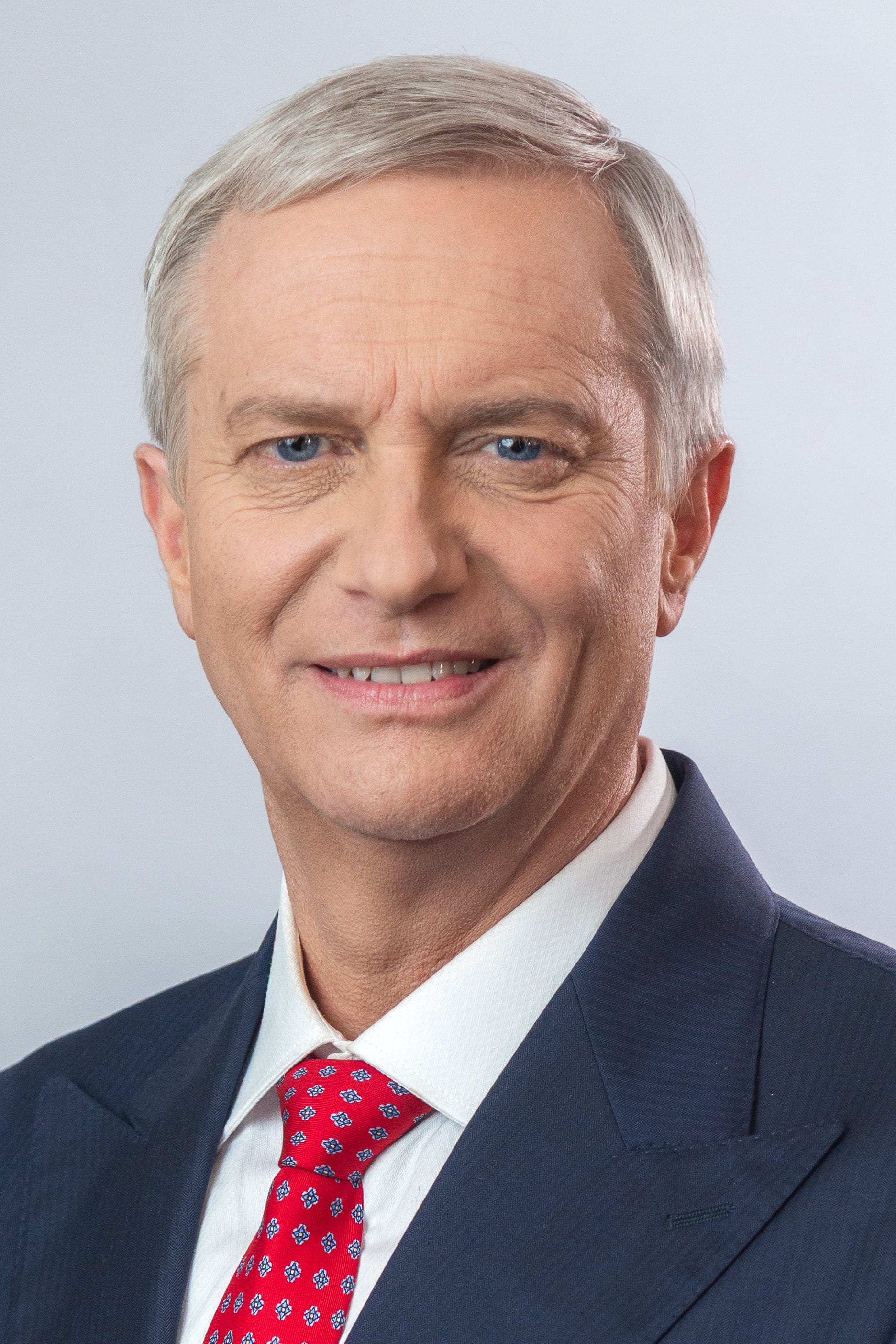
His arrival makes him Chile’s most right-wing leader since the return to democracy in 1990. The shift also revives debate over his long association with the legacy of Augusto Pinochet, whose dictatorship Kast has defended during his political career.
Sources: NPR, Bloomberg
On this day …
On this day in 1938, German troops crossed into Austria and carried out the Anschluss, formally incorporating the country into Nazi Germany.
The annexation followed months of political pressure and intimidation from Adolf Hitler’s regime, and it was later ratified through a tightly controlled referendum.
The move dramatically expanded Germany’s territory and population while demonstrating the weakness of international resistance to Nazi expansion.
The Anschluss also intensified the persecution of Austria’s Jewish population and emboldened further German demands in Europe, including claims on Czechoslovakia later that year.
In retrospect, the annexation marked a decisive step on the path toward the wider conflict that would erupt in World War II.