


Nato Warns Russia Could Attack Alliance Within Five Years
Amnesty Accuses Hamas Of Crimes Against Humanity
US Sanctions Maduro Relatives And Oil Shipping Network
Putin Signals Backing As US Pressure Mounts On Maduro
Bulgarian Government Resigns After Anti-Graft Protests
Zelensky Floats Referendum On Donbas Concessions
US-Japan Flight Drills Signal Resolve After Patrols
Portugal Strike Shuts Flights, Trains, Surgeries
Pax Silica Pact Targets China Rare Earth Dominance
China Ends Contraceptive Tax Exemption
On this day ……
On this day in 2015, nearly 200 countries adopted the Paris Climate Agreement, committing to limit global warming and establish a long-term framework for mitigation, adaptation and transparency. The accord created shared temperature goals, required governments to submit national plans and set expectations for regular updates as science and ambition evolved.
A decade later, national strategies diverge and implementation remains uneven, despite rising climate impacts. Yet the Paris framework continues to anchor global climate diplomacy.
Is a structure built on voluntary national commitments enough to drive the scale of change the moment now demands?

Nato’s secretary-general has warned that Russia could attack a member of the alliance within five years, urging European governments to confront what he described as growing military and covert threats from Moscow.
Speaking in Germany, Mark Rutte said Russia was escalating covert activity against Western societies and that Europe must be prepared for a scale of war not seen for generations. However, Moscow has dismissed such warnings as hysteria and says it does not intend to go to war with Europe.
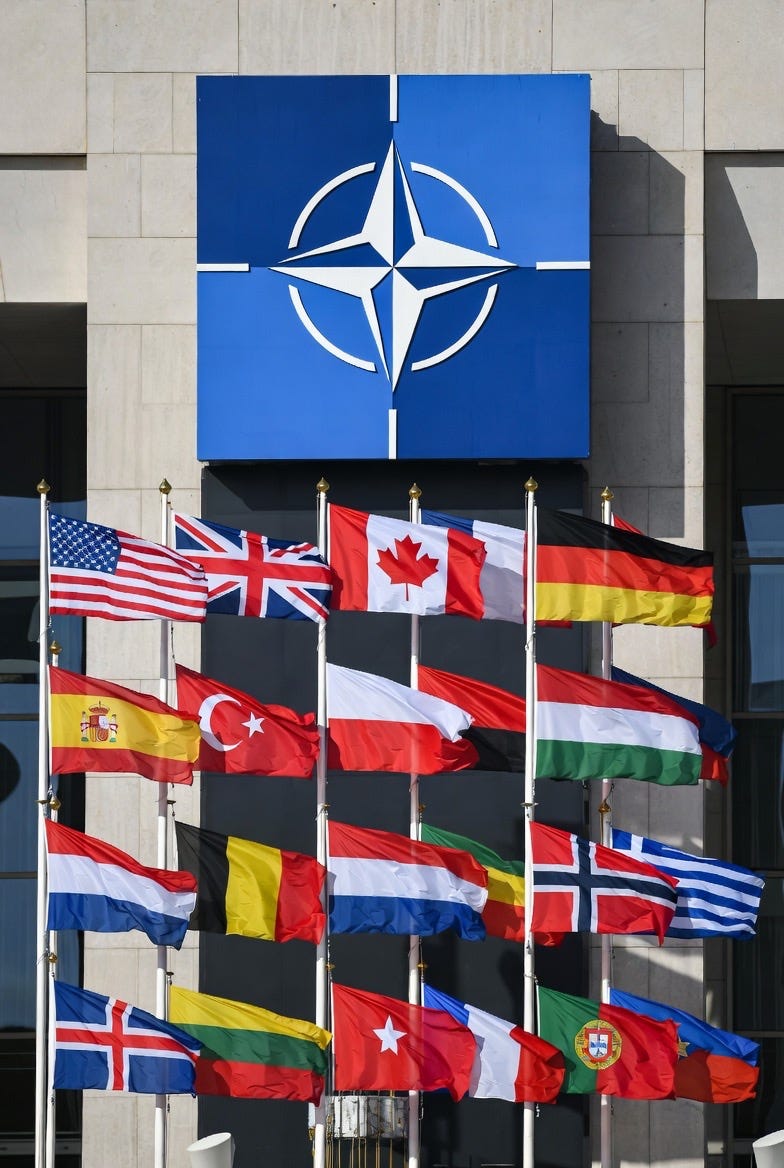
The warning comes as Russia’s invasion of Ukraine continues and as the Kremlin insists it is ready for conflict if Europe initiates it. Meanwhile, Nato officials argue that supporting Ukraine is essential for European security, warning that a Russian victory would increase the risk of a direct attack on the alliance. Rutte also cautioned that Nato’s current defences could hold only for now, calling for faster increases in military spending and production to counter Russia’s war-focused economy.
Sources: BBC, Axios

Amnesty International said Palestinian armed groups committed violations of international humanitarian law, war crimes and crimes against humanity during attacks in southern Israel that started on 7 October 2023, describing the mass killing of civilians as the crime against humanity of extermination.
It also cited the seizure and mistreatment of hostages by Hamas and other armed groups, saying this was done as part of an explicitly stated plan explained by the leadership of Hamas and other groups.
Hamas’s 7 October attack resulted in the deaths of 1,221 people and 251 people were taken hostage, 44 of whom were dead. However, Amnesty said it was not able to interview survivors except for one case and could not offer a conclusion on the scope or scale of sexual violence.
Hamas was deemed chiefly responsible for the crimes and rejected the report as flawed and unprofessional.
Sources: RFI, New York Times

The United States imposed new sanctions targeting three nephews of Venezuelan President Nicolás Maduro’s wife and a network of companies and vessels linked to Venezuelan oil shipments, as Washington ramps up pressure on Caracas.
The measures cover Franqui Flores, Efrain Antonio Campo Flores and a third nephew, as well as six crude oil tankers and shipping companies. The sanctions are intended to deny access to property or financial assets held in the United States and to bar US companies and citizens from doing business with those designated.
Meanwhile, the action followed Trump’s announcement that the United States had seized a sanctioned oil tanker off Venezuela’s coast, with an exclusive report from Reuters claiming that the administration is planning more tanker seizures.
Maduro and his government deny links to crime and accuse Washington of pursuing regime change to control Venezuela’s oil reserves.
Sources: Associated Press, Reuters

Russia and Belarus reached out to Venezuela’s leader Nicolas Maduro on Thursday as President Donald Trump ramps up pressure for his removal. The Kremlin said President Vladimir Putin spoke with Maduro by phone and reaffirmed support for Maduro’s policy of “protecting national interests and sovereignty in the face of growing external pressure”.
The call came a day after American forces seized an oil tanker off the coast of Venezuela. The U.S. has built up its largest military presence in the region in decades and launched a series of deadly strikes on alleged drug-smuggling boats. Maduro said the tanker seizure “constitutes a blatant theft and an act of international piracy”, and has insisted the real purpose of the U.S. military operations is to force him from office.
In Belarus, President Alexander Lukashenko met the Venezuelan ambassador to Russia, Jesus Rafael Salazar Velázquez, for the second time in just over two weeks.
Sources: Reuters, Associated Press

Bulgaria’s prime minister handed in his government’s resignation after weeks of mass street protests over perceived corruption and a draft budget that would have increased taxes, bringing down a coalition that had been in power since January.
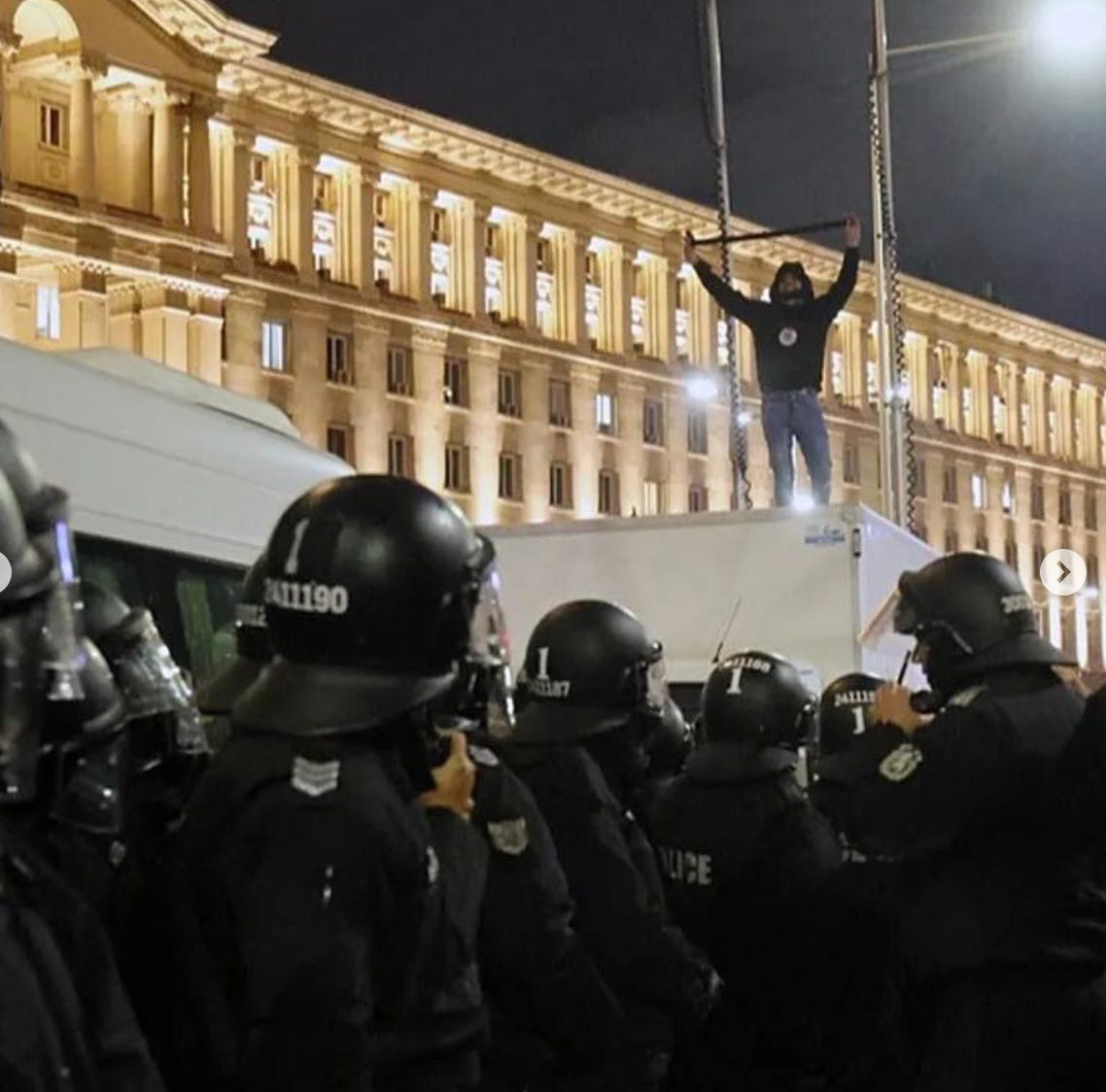
The announcement came shortly before parliament was due to vote on a no-confidence motion and just weeks before Bulgaria is due to join the eurozone on 1 January. Meanwhile, President Rumen Radev had also called on the government to resign.
Bulgaria has held seven national elections in the past four years, and Radev will now ask parties in parliament to try to form a new government. If that fails, he will appoint an interim administration and call a snap election. As a result, political uncertainty is rising as euro membership looms, with concerns that without strict oversight retailers may take advantage of public confusion over conversion to jack up prices.
Sources: The Guardian, Reuters
President Volodymyr Zelensky floated a referendum or elections on territorial concessions, as Kyiv faces mounting pressure to agree to terms of an emerging US peace plan and Russia presses its demands over Donbas.
He said Washington wants Ukraine to withdraw its troops from the Donbas region, with the area then framed as a “free economic zone” or “demilitarised zone”. However, Zelensky said Ukraine did not believe the plan was fair without guarantees that Russian troops would not simply take over after a Ukrainian withdrawal.
Zelensky said Russia wants “the whole of Donbas” and that Ukraine does not accept that. As a result, he said the Ukrainian people must have a say on any decision, and his negotiating team sent a revised plan to Washington while talks continue over a framework that is being revised and edited.
Sources: South China Morning Post, The Guardian

U.S. strategic bombers joined Japanese fighter jets in joint flight drills, defence officials said, as tensions with China escalated.
The exercise took place on Wednesday and included two U.S. B-52 strategic bombers flying alongside three Japanese F-35 stealth fighters and three F-15 jets. Japan’s Joint Staff said the drill was held as “the security environment surrounding our country is becoming even severer”, and that the allies “reaffirmed the strong resolve to prevent unilateral attempts to change the status quo by force”.
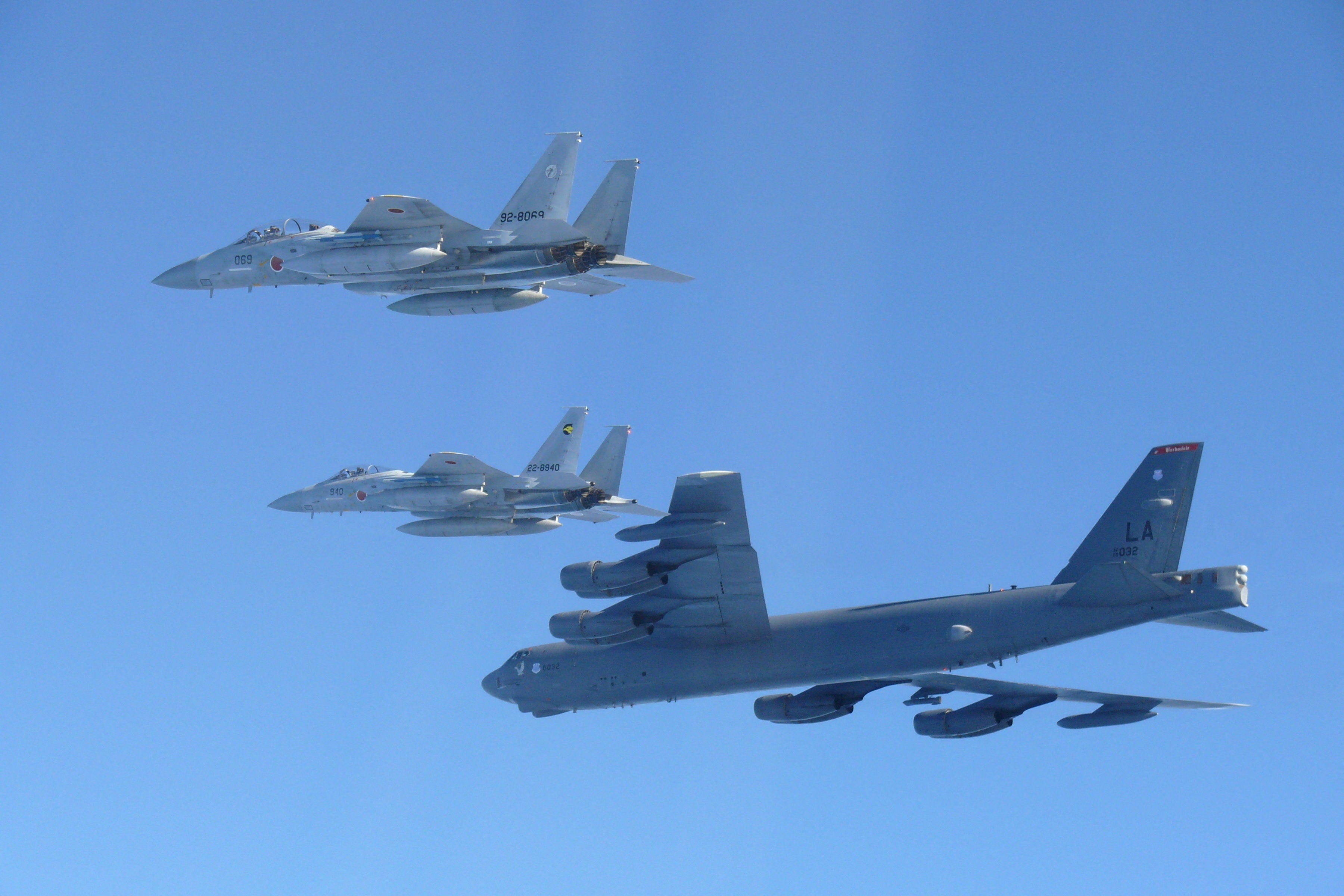
The drill followed Chinese and Russian bombers flying together around western Japan on Tuesday, prompting Tokyo to scramble fighter jets, and came after Japan said China’s military aircraft locked radar on Japanese jets on Saturday. Meanwhile, Japan said Defence Minister Shinjiro Koizumi and U.S. counterpart Pete Hegseth discussed the “increasingly severe security situation” in a phone call.
Sources: The Hindu, The Independent

Portugal’s first general strike in 12 years caused widespread disruption on Thursday, with dozens of flights and trains cancelled, schools closed and hospital operations postponed. Unions said refuse collections were at a standstill, while minimum service kept some public transport running and Lisbon’s streets were quieter.
However, the walkout was called by the communist-leaning CGTP and the more moderate UGT to oppose labour reforms with more than 100 measures. Unions say the bill would simplify firing procedures, extend fixed-term contracts and expand the minimum services required during industrial disputes, warning it would normalise job insecurity and make dismissals easier.
Prime Minister Luís Montenegro says the changes are needed to tackle labour-market “rigidities” so companies can be more profitable and workers have better salaries. His minority right-of-centre government lacks a parliamentary majority but is seeking support from liberals and the far right.
Sources: BBC, Al Jazeera
The United States is set to launch Pax Silica with the signing Friday of the Pax Silica Declaration, uniting Singapore, Australia, Japan, South Korea and Israel. The partnership aims to secure supply chains for minerals needed for artificial intelligence and reduce dependence on China as Washington flags China’s near monopoly in rare earths as a significant threat.
Meanwhile, Beijing has wielded its dominance through export restrictions intended to hit back against the Trump administration’s aggressive tariff policy on Chinese imports, and the declaration reflects concern about China’s massive investment in artificial intelligence and quantum computing. US officials said other countries would join, but were vague on practicalities beyond working together to ensure timely supply chains.
The signing in Washington also kicks off a one-day Pax Silica Summit with officials from the European Union, Canada, the Netherlands and the United Arab Emirates.
Sources: Politico, The Straits Times

China will impose a value-added tax on “contraceptive drugs and products” from Jan. 1, ending an exemption in place for more than three decades. Condoms and other items will be subject to the usual 13% value-added tax under the country’s newest value-added tax law, a shift aligned with Beijing’s effort to get families to have more children.
However, the change has drawn scepticism as it trends on Chinese social media, where some mocked the idea that taxing condoms would alter decisions given the costs of raising a child. Experts also raised concerns about potential increases in unplanned pregnancies and sexually transmitted diseases if higher prices reduce access.

In 2024, 9.5 million babies were born in China, down from 14.7 million in 2019, according to the National Bureau of Statistics. One demography researcher said a 13% tax on contraceptives was unlikely to influence reproductive decisions when weighed against the far higher costs of raising a child.