


US Seizure Marks Sharp Escalation With Venezuela
Trump’s Tense Call Deepens Rifts Over Ukraine Peace Plan
M23 Push Into Uvira Threatens US-Brokered Congo Peace Deal
Border Clashes Force Mass Evacuations In Thailand And Cambodia
Judge Blocks Trump’s Control Of California National Guard
US Plans Mandatory Social Media Checks For Tourists
Bolivia Arrests Ex-President Arce in Corruption Probe
Strike on Myanmar Hospital Kills Dozens
EU Sets 2040 Climate Goal With 90% Emissions Cut
Interest Rate Cut Exposes Deep Fed Divisions
On this day …
On 11 December 2001, China formally joined the World Trade Organization after years of negotiation, accelerating its integration into global markets. The decision unlocked rapid economic growth, drew foreign investment on an unprecedented scale and reshaped supply chains across nearly every sector.
Two decades later, the optimism that framed accession has given way to strategic rivalry, industrial competition and widespread debate over whether the rules of the global trading system can accommodate competing political and economic models.
Does China’s WTO accession now look like the start of a cycle the system was never designed to manage?

US forces seized a sanctioned oil tanker off Venezuela’s coast, in an operation involving armed personnel descending from helicopters onto the deck. President Trump confirmed the action and described the vessel as the largest tanker ever seized, while officials said it had long been sanctioned for transporting illicit oil linked to foreign terrorist organisations.
Brent crude prices edged higher after the news as shippers assessed the risk of further interdictions.

In contrast, Venezuela denounced the seizure as piracy and claimed it exposed Washington’s intention to seize the country’s natural resources. Senior figures accused the US of acting as “high seas criminals”, and the government said the tanker’s capture revealed the real motives behind US pressure.
Meanwhile, US officials framed the move as part of a broader effort targeting narcotics smuggling and sanction-evasion networks operating across the region.
Sources: Bloomberg, BBC

President Trump said he exchanged “pretty strong words” with the leaders of Britain, France and Germany during a call on Ukraine, reflecting widening disagreements over how to advance US-led peace efforts. He warned that European plans for a weekend meeting risked “wasting time” and criticised President Zelensky for delays and corruption concerns.
Meanwhile, European leaders described the talks as a critical moment and urged Washington to stay engaged as negotiations intensify.
In contrast, Kyiv and its European partners continue to resist elements of earlier US proposals, including territorial concessions to Russia and limits on Ukraine’s armed forces. Intensive work on revising the plan is under way, and leaders have highlighted the need for security guarantees once any agreement is reached. British, French and German officials said the process remains urgent, and further discussions are planned in the coming days.
Sources: Le Monde, Reuters

Rwanda-backed M23 rebels have entered the strategic DR Congo town of Uvira, marking the most significant escalation in months and deepening doubts over last week’s US-brokered peace agreement. Residents described heavy gunfire and chaotic scenes as fighters advanced, while officials offered conflicting accounts of whether the city had fully fallen.
The UN said some 200,000 people have fled in recent days, and rights groups warned of grave risks to civilians.
In contrast, Kinshasa and Kigali have traded accusations over who violated the deal. DR Congo’s foreign minister urged Washington to widen sanctions on Rwanda to restore credibility to its mediation, while Rwanda accused Congolese and Burundian forces of renewed attacks.
Regional and Western governments voiced profound concern about the violence’s destabilising potential, underscoring how quickly conditions have deteriorated since the agreement was signed.
Sources: South China Morning Post, BBC

Half a million people have fled fresh clashes along the Thai-Cambodian border as fighting escalates across multiple provinces, marking the deadliest confrontation since July’s brief truce. Officials said at least 15 people have been killed, and residents described jets, tanks and drones operating near civilian areas.
Thailand has evacuated more than 400,000 people, while Cambodia has moved over 100,000 to shelters as both governments blamed each other for reigniting the conflict.
Washington has urged an immediate halt to hostilities, insisting both sides follow de-escalatory measures agreed in a peace accord brokered in October. Trump said he plans to speak with the two leaders and predicted he could settle the violence “pretty quickly”.
Meanwhile, Cambodia accused Thailand of indiscriminate attacks on civilian sites, while Thailand said its actions were limited and followed rocket strikes near a hospital. The dispute has expanded sharply, prompting travel warnings from several countries.
Sources: The Guardian, BBC

A federal judge has ordered the Trump administration to end its control of California’s National Guard in Los Angeles, ruling that the president lacks authority to extend the federalization without a clear emergency. Judge Charles Breyer said the administration’s interpretation would permit a president to create a perpetual police force of state troops, warning that it would upend constitutional federalism.
His injunction follows months of legal challenges to the deployments made during protests over immigration enforcement.
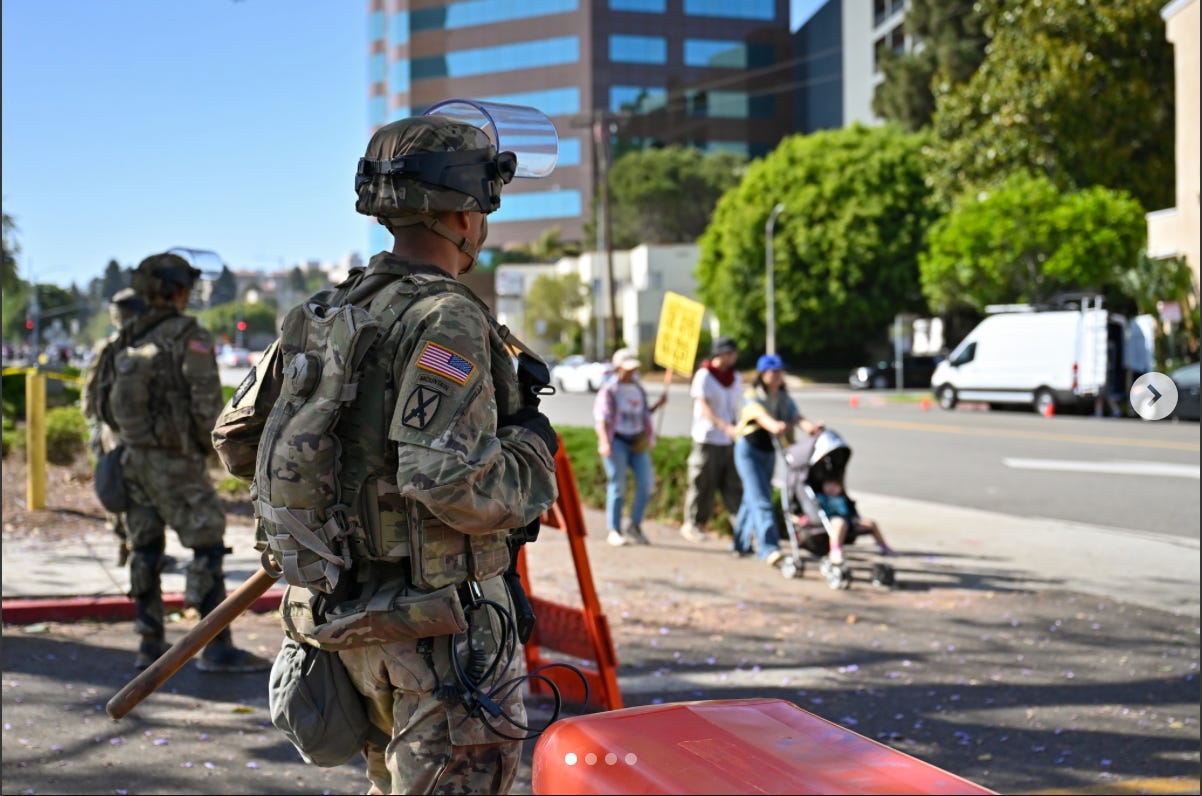
In contrast, the White House maintains the deployment is lawful and necessary to support federal officers after violent unrest. The administration argued that protests amount to a rebellion, but Breyer wrote that potential future threats are not enough to justify continued federal control.
Meanwhile, the ruling is stayed until Monday to allow for appeal, and earlier legal fights over the initial deployment remain unresolved as the broader question of presidential authority continues to play out in federal courts.
Sources: NPR, CNN

The United States is proposing major changes to its travel screening system that would require visitors from visa waiver countries to disclose up to five years of social media history. Customs and Border Protection filed the plan on Tuesday, outlining a significant expansion of the information collected through the Electronic System for Travel Authorization. It would also require details such as email addresses used over the past decade and additional family information.

However, officials stress that the proposal is only the first step in a public discussion. The draft rule will undergo a 60-day comment period, and the agency says it has not made any final decisions. In contrast, analysts, travel groups and digital rights advocates warn that the wider data collection could deter visitors, lengthen approval times and heighten concerns about privacy.
The administration argues the changes are consistent with broader efforts to strengthen national security and vet travellers more thoroughly.
Sources: New York Times, BBC

Former Bolivian president Luis Arce has been arrested in La Paz as part of an embezzlement investigation that dates back to his time as economy minister under Evo Morales. Officials say he was the “main person responsible” for tens of millions of dollars in losses from a fund intended for Indigenous and rural communities. Arce exercised his right to remain silent and is expected to be charged with corruption-related crimes. However, allies, including former minister Maria Nela Prada, insist he has been “kidnapped” and is innocent.
The case unfolds just a month after Arce left office, as the new administration under President Rodrigo Paz signals a break with nearly two decades of socialist rule.
Officials allege Arce authorised transfers of public money to political figures, including a lawmaker arrested last week. Vice President Edmand Lara said more prosecutions will follow as authorities pursue accountability.
Sources: Bloomberg, DW

A Myanmar military airstrike on the general hospital in Mrauk-U in western Rakhine state has killed at least 30 people and wounded more than 70, according to aid workers, witnesses and the Arakan Army.
The facility was struck late on Wednesday by bombs dropped from a military aircraft and was completely destroyed. The hospital had been overflowing with patients as healthcare services across much of Rakhine had been suspended amid renewed conflict. Officials and residents said the casualty toll was likely to rise.
The strike comes as the junta intensifies air operations ahead of elections scheduled for later this month, despite rebels vowing to block voting in areas they control. The attack follows a series of recent deadly airstrikes and reflects the widening frontlines after resistance groups joined major ethnic armies to challenge military rule.
Sources: Times of India, Reuters

The EU has agreed a legally binding target to cut greenhouse gas emissions by 90% from 1990 levels by 2040, following months of negotiations between member states and the European Parliament. The deal requires an 85% domestic reduction, with the remaining five percentage points achieved through high-quality international carbon credits. Officials said this represented a political compromise to balance climate action with concerns over competitiveness and energy costs.
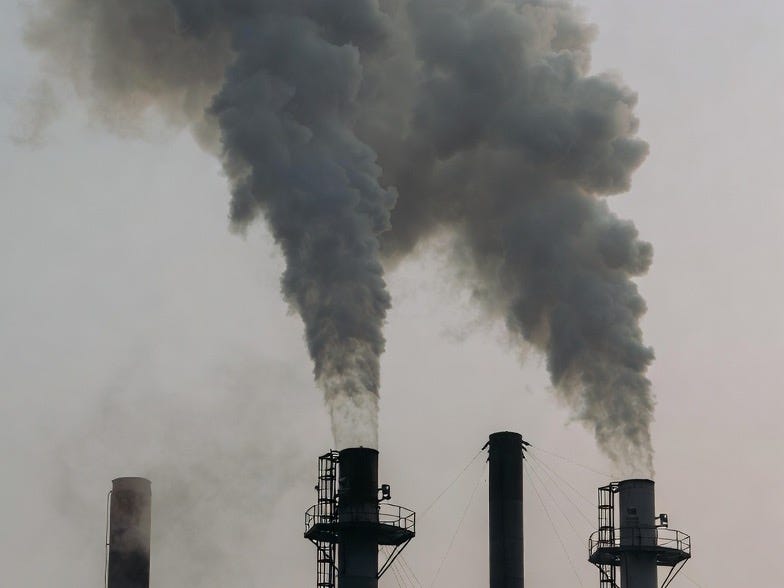
However, the agreement also introduces new flexibilities. From 2036, additional reductions could come from international carbon credits, while domestic permanent removals can be used to offset hard-to-abate emissions.
The EU will delay the launch of its emissions trading system for buildings and road transport by one year to 2028. Progress towards the 2040 target will be reviewed every two years, with the Commission empowered to propose amendments if required.
Sources: Reuters, European Parliament

The Federal Reserve cut its benchmark rate by a quarter point to 3.5–3.75%, its lowest level in three years, after a contentious meeting that revealed sharp divisions over how to balance a softening labour market with still-elevated inflation. Three officials dissented, the strongest revolt since 2019, as policymakers weighed rising unemployment against concerns that inflation in services remains persistent. Stocks and bonds rallied after the decision.
However, the projections released alongside the move underscored the scale of disagreement. Bloomberg reported that officials’ median outlook remains for just one cut in 2026, while seven favoured holding rates steady for all of that year and eight supported at least two reductions.
However, Fed Chair Powell suggested the Fed may now have done enough to stabilise employment while keeping pressure on prices. He added that the next move is not predetermined, even as he signalled that a rate hike is not any official’s base case.