


Trump Signals Iran War Could End “Pretty Quickly”
Trump Turns to Putin on Iran and Ukraine
Iran Threatens Oil Blockade as Trump Escalates
Trump Defends Claim On Iranian School Strike
Australia Grants Visas to Five Iranian Players
France Sends Naval Force as War Reaches Europe
Iran War Stalls Trump’s Gaza Plan
Haiti Drone Strikes Killed Civilians Human Rights Watch Says
Anthropic Sues Pentagon Over AI Blacklist
US and China Clash Over Fentanyl Before Summit

US President Donald Trump said the war with Iran could end “pretty quickly” as Washington and Israel continued their joint military campaign into its second week. Speaking to Republican lawmakers and in media interviews, Trump said US forces had destroyed roughly 80 percent of Iran’s missile launchers and sank 46 Iranian naval ships in the opening days of the conflict. He also claimed drones and missile capabilities had largely been knocked out.
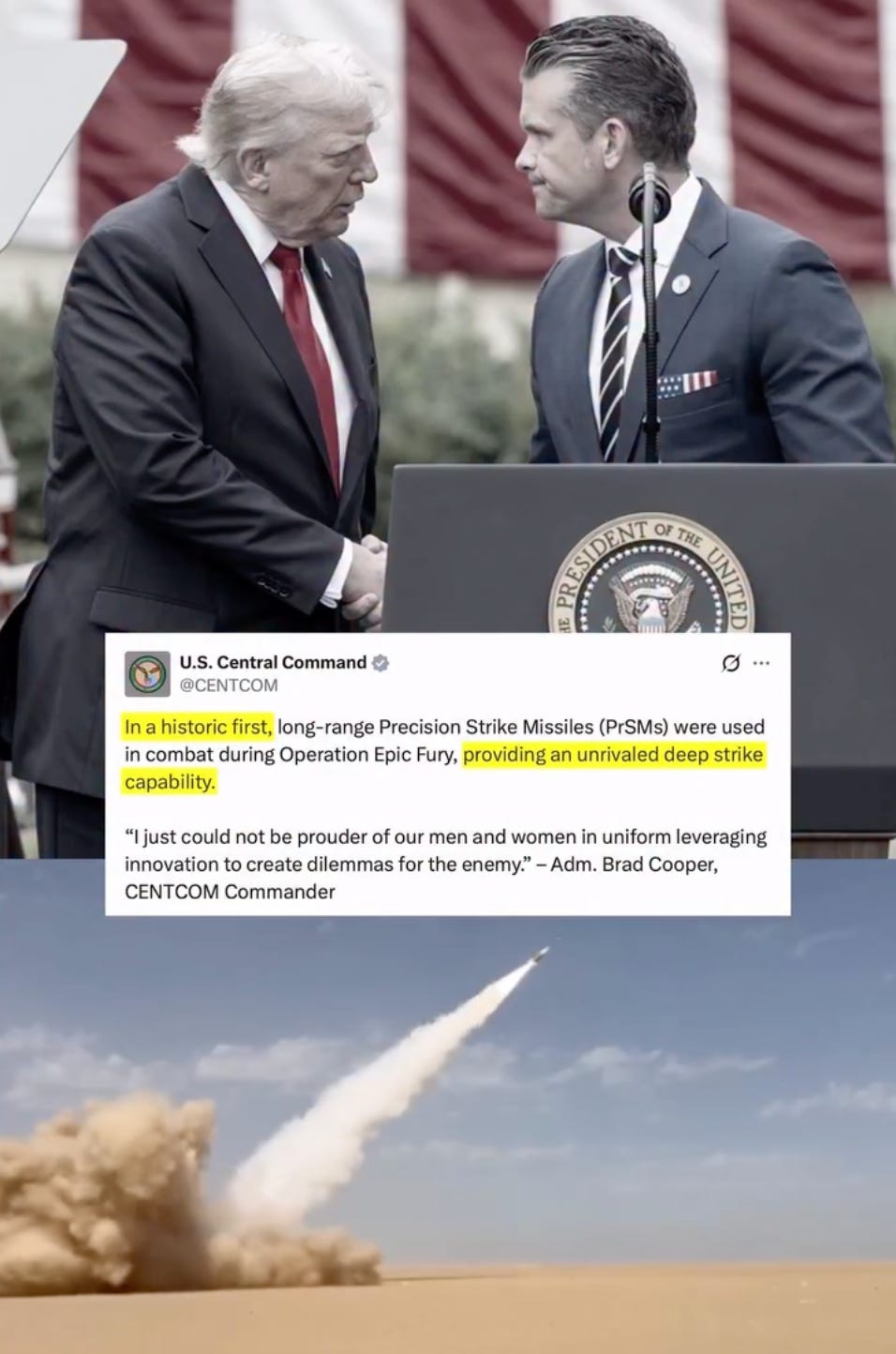
The campaign, launched on 28 February, targeted Iranian military infrastructure including air-defence systems, missile launchers and naval assets. The first day of strikes killed Iran’s supreme leader, Ayatollah Ali Khamenei. Trump framed the conflict as a “short-term excursion” but added that the United States had “not won enough” and would continue operations to achieve “ultimate victory”.
Meanwhile the conflict has widened across the region, with Iranian missile and drone attacks targeting Israel, Gulf states and US bases while oil trade through the Strait of Hormuz has been heavily disrupted.
Sources: Al Jazeera, The Guardian

Donald Trump held a phone call with Vladimir Putin on Monday to discuss the war with Iran and efforts to end the war in Ukraine, marking their first conversation since the Iran conflict began. According to the Kremlin, the call lasted about an hour and included what Putin’s adviser described as a “frank” and “businesslike” exchange. Putin was said to have offered several proposals for ending the war with Iran through a political and diplomatic settlement.
The discussion also reflected wider concern over energy markets. The two leaders talked about rising oil prices as the conflict intensified, with Putin warning that further destabilisation in the Middle East would threaten global supplies and push prices higher. He also stressed that Russia remained a reliable energy supplier and said Moscow was increasing exports to selected partners.
Trump later said Putin wanted to be helpful on Iran, but added that Russia could be more helpful by ending the war in Ukraine.
Sources: Axios, PBS

Iran said it would keep blocking oil shipments from the Middle East while US and Israeli attacks continue, raising the stakes in a war that is already disrupting global energy flows. The Revolutionary Guards said not “one litre of oil” would leave the region if the attacks went on, while Donald Trump warned the United States would strike Iran “TWENTY TIMES HARDER” if it stopped the flow of oil through the Strait of Hormuz.
The exchange came as the war entered a more dangerous economic phase. The conflict has already effectively shut the Strait of Hormuz for more than a week, leaving tankers unable to sail and forcing producers to halt pumping as storage fills. Brent crude fell sharply on Tuesday after surging on Monday, while global stock markets bounced. Iran’s foreign minister also said renewed talks with Washington were unlikely after what he called a “bitter experience” with past negotiations.
Sources: Reuters, Bloomberg

Donald Trump stood by his suggestion that Iran could be responsible for a missile strike near a girls’ elementary school in southern Iran that local officials say killed about 175 people, mostly children, even as US authorities say the incident remains under investigation. The strike occurred during the initial wave of US and Israeli air assaults on the country on 28 February.
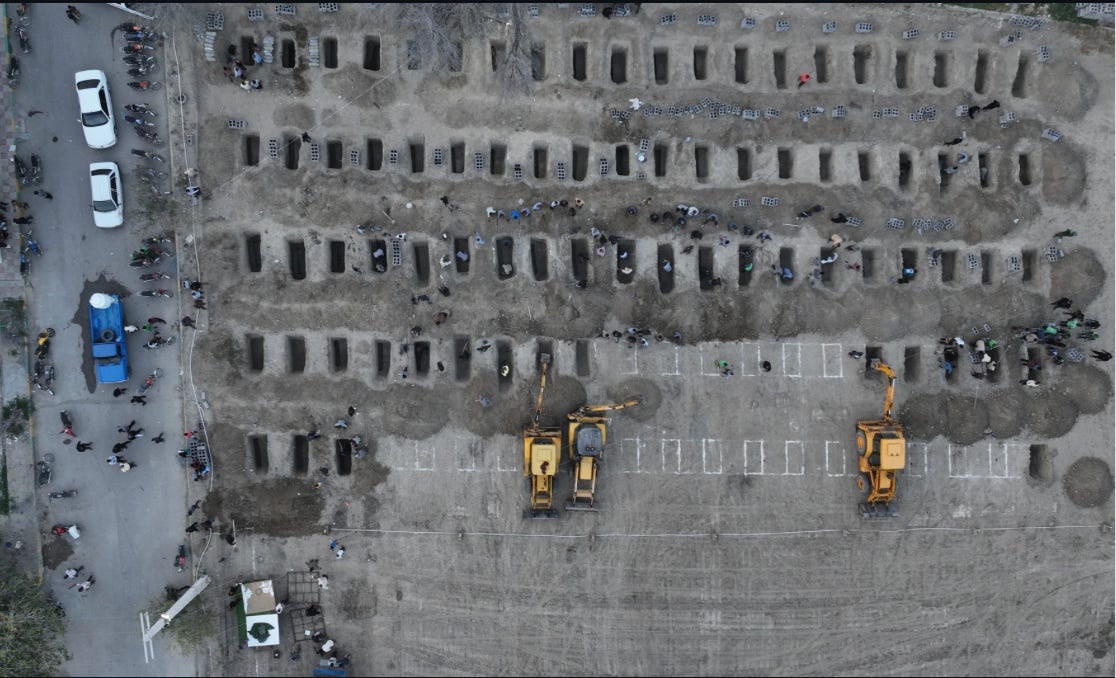
At a news conference, Trump said a Tomahawk missile had been used but suggested other countries also possess the weapon and could have fired it. Experts say Tomahawk missiles are produced by the United States and sold to close allies but not to Iran.
The president later said he had not seen video of the strike and did not know enough about the incident, adding that he would accept the findings of the US investigation once it is completed.
Sources: ABC News, Politico

Australia granted humanitarian visas to five members of Iran’s women’s football team after fears grew over their safety following an anthem protest at the Asian Cup.
The players had stood silently during the national anthem before a match against South Korea last week, prompting criticism in Iran and calls for punishment. Australian minister Tony Burke said the women were moved to a safe location by police and later approved for protection.

The decision followed pressure from activists, player unions and Donald Trump, who said Australia should give the women asylum and offered US protection if it did not. Burke said the rest of the squad had also been told they were welcome to stay. The players had been due to fly home after the tournament, but supporters warned they could face serious consequences if they returned to Iran.
Sources: Washington Post, BBC

France is sending a large naval force to the Middle East as the war with Iran disrupts shipping and reaches European territory through attacks on Cyprus. Emmanuel Macron said France would send 10 warships over the next 48 hours to the Eastern Mediterranean, the Red Sea and the Strait of Hormuz, in addition to forces already deployed. He said the mobilisation was intended to protect French citizens, support allies and potentially help escort ships through the strait.
Macron also said Europe would stand by Cyprus after drone and missile attacks on the island, describing an attack on Cyprus as an attack on Europe. He said France and its allies were preparing a defensive support mission to reopen the Strait of Hormuz once the most intense phase of the conflict had passed. Macron warned the war could continue for several more days, and possibly several weeks, as the region’s military and energy risks deepen.
Sources: New York Times, The Guardian

Talks to advance Donald Trump’s plan to end the Gaza war have been put on hold since the United States and Israel attacked Iran on 28 February, according to sources with direct knowledge of the negotiations. The pause has interrupted a central part of Trump’s Middle East initiative, which depends in part on whether Hamas would agree to disarm in exchange for amnesty, reconstruction and further Israeli military withdrawals.
The delay appears to reflect both regional disruption and shifting political focus. One source described it as a brief interruption caused by flight disruptions around the region, while another said a planned meeting with Egyptian, Qatari and Turkish mediators was scrapped and has not been rescheduled.
Hamas confirmed that talks on the plan were frozen for now. Senior US attention has also shifted towards the Iran war, though working-level discussions are continuing in the hope the initiative can resume once the war ends.
Sources: Reuters, South China Morning Post

Human Rights Watch said explosive drone strikes by Haitian security forces have killed 1,243 people since March 2025, including 43 adults not reported to be members of criminal groups and 17 children, in operations that appear unlawful. The attacks, carried out with quadcopter drones armed with explosives in densely populated areas of Port-au-Prince, also injured 738 people. The report said the number of operations rose sharply from November to January.
It linked the strikes to a security task force operating with support from private contractors and said some attacks appeared to amount to extrajudicial killings. In one September strike near a sports and cultural complex in Simon Pelé, 10 people not reported to be gang members, including nine children aged 3 to 12, were killed. The group said authorities should rein in the operations, investigate alleged unlawful killings and add safeguards before more civilians die.
Sources: Reuters, Human Rights Watch

Anthropic has sued the US government after the Pentagon designated the artificial intelligence company a supply chain risk, a move the firm says could cost it billions in revenue and damage market confidence. The label, usually applied to foreign adversary vendors, obliges companies working on military contracts to remove Anthropic from their supply chains and followed a breakdown in negotiations over military use of its technology.
The dispute centres on restrictions the company insists should apply to its AI models. Anthropic said it would not allow its systems to be used for lethal autonomous weapons or domestic mass surveillance, while defence officials demanded broader rights to deploy the technology for all lawful purposes.
After the talks collapsed, the Pentagon issued the risk designation and the president directed federal agencies to stop using the company’s tools. The company is now asking a federal court to block the measure and overturn the label.
Sources: FT, NPR

The United States and China exchanged accusations at a UN drugs meeting in Vienna, sharpening tensions ahead of a planned meeting between Donald Trump and Xi Jinping in China at the end of the month. Washington accused Beijing of failing to stop the sale of precursor chemicals used to make fentanyl, while China rejected the claim and accused the United States of using the drug issue as a pretext for bullying and interference.
The dispute also reopened wider trade tensions. The United States said China’s weak export controls and lax enforcement allowed its chemical industry to maintain ties with drug cartels, while also criticising Beijing’s controls over rare earth minerals.
Under a deal reached last year, Washington agreed to trim tariffs in exchange for a crackdown on illicit fentanyl trade, resumed soybean purchases and continued rare earth exports. But after the US Supreme Court struck down a fentanyl-related tariff last month, the administration said it expects to reimpose the levy under a different law.
Sources: South China Morning Post, Infobae
On this day ….
On this day in 1876, inventor Alexander Graham Bell made the first successful telephone call to his assistant Thomas Watson.
Bell reportedly spoke the words, “Mr Watson, come here, I want to see you,” transmitting the human voice through an electrical signal for the first time.
The invention transformed communication, shrinking distances between cities, countries, and eventually continents. Over the following decades, telephone networks spread rapidly, becoming essential infrastructure for commerce, diplomacy, and daily life.
The basic idea of transmitting voice electronically would ultimately evolve into the global telecommunications systems that underpin the modern digital economy.
Few inventions have so profoundly reshaped how societies connect and exchange information.