


Hormuz Still Restricted Despite Iran Ceasefire Deal
Israel Digs In As Washington Tries To Save Truce
Netanyahu Opens Lebanon Talks But Keeps Strikes Going
China Turns Iran Ceasefire Into Summit Leverage
Khamenei Claims Victory As Iran Hardens Its Line
Netanyahu Trial Returns As Wartime Freeze Ends
UK Says It Deterred Russian Cable Surveillance
Putin Declares Easter Truce As Kyiv Signs On
Melania Trump Reopens Epstein Questions At White House
Judge Says Pentagon Defied Press Access Order

Maritime traffic through the Strait of Hormuz remains severely constrained despite a US-Iran ceasefire intended to reopen the route, keeping global energy markets on edge. Sultan Al Jaber, CEO of the Abu Dhabi National Oil Company (ADNOC), warned that passage through the waterway still depended on Iranian permission and conditions, while roughly 230 loaded oil vessels remained waiting to sail as Brent crude moved towards $100 a barrel.
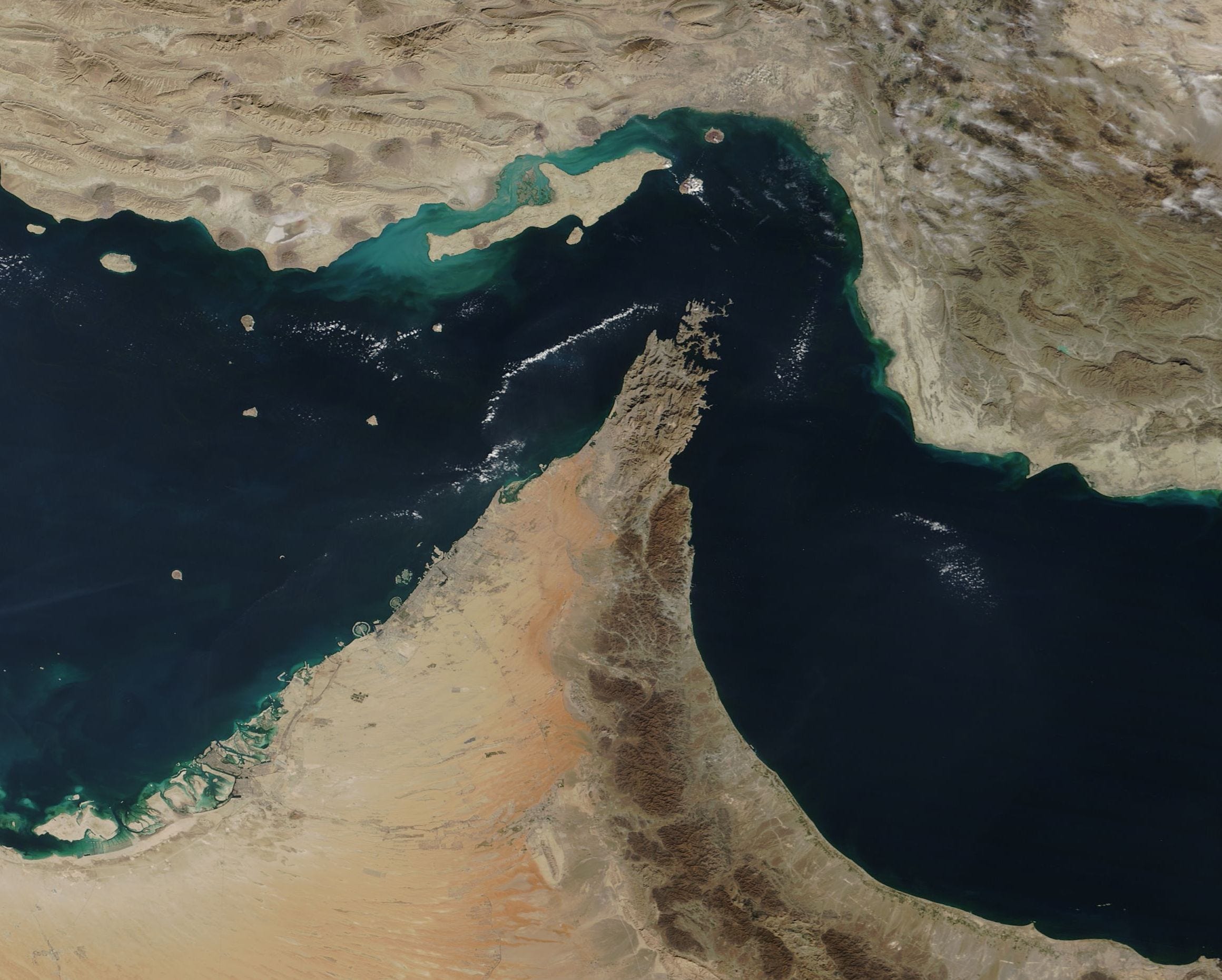
Iran has continued to control transit routes through the strait and requires coordination with its military for passage, with only a handful of vessels departing compared with about 135 a day under normal conditions.
Tehran has also signalled plans to formalise tolls for ships crossing the corridor, reinforcing uncertainty for shipowners and insurers and prolonging pressure on global oil supply flows.
Sources: The Guardian, Bloomberg

As Vice President JD Vance heads to Islamabad for talks with Iran, the ceasefire he is meant to stabilise is already under strain. Iran says the truce should cover Israel’s war in Lebanon, but Benjamin Netanyahu and Donald Trump say it does not, and Israeli operations there continue. Trump also complained that Iran was doing “a very poor job” of allowing oil tankers through Hormuz.
At the same time, Israel is expanding buffer zones in Gaza, Syria and Lebanon, reflecting what six Israeli military and defence officials described as a shift towards a semi-permanent state of war.
Nathan Brown of the Carnegie Endowment for International Peace said Israeli leaders had concluded they were in a “forever war”, while Netanyahu said Israel had established security belts deep beyond its borders. Even supporters of the approach warn that policing multiple fronts could place major strain on the military.
Sources: Reuters, WTOP

Benjamin Netanyahu said Israel would begin direct negotiations with Lebanon as soon as possible, while making clear that military action against Hezbollah would continue. He said the talks would focus on disarming Hezbollah and establishing peaceful relations, and praised Lebanese Prime Minister Nawaf Salam’s call to demilitarise Beirut. A senior Israeli official said the first meeting would take place next week at the State Department in Washington.
The shift followed calls with Donald Trump and Steve Witkoff, as Washington pushed Israel to calm the fighting amid concern that the Lebanon front could undermine the Iran ceasefire. Israel continued strikes, and Israeli officials said there would be no ceasefire in Lebanon.
Iran, Pakistan and Lebanese officials have argued that Lebanon was included in the wider truce, while the US and Israel have said it was not.
Sources: Washington Post, Axios

China emerged as an important player in efforts to secure the Iran ceasefire, with Iranian officials reportedly crediting a last-minute Chinese push for Tehran’s acceptance and Donald Trump later validating Beijing’s role.
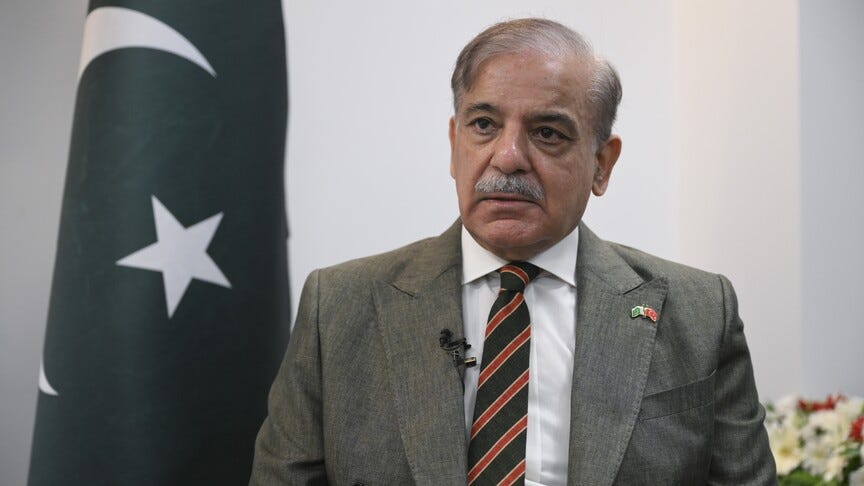
Pakistani Prime Minister Shehbaz Sharif thanked China for its support, while the White House said Beijing’s involvement took place at the “top levels” of both governments.
The diplomatic move gives Xi Jinping added leverage before Trump’s planned visit to Beijing next month. The conflict threatened China’s energy supplies and broader economy, while officials and analysts said Beijing also saw value in turning influence over Iran into political capital ahead of the summit. Even so, China has not confirmed its precise role and analysts said Beijing is unlikely to accept the security guarantees Tehran wants after the ceasefire.
Sources: Bloomberg, Wall Street Journal

Iran’s supreme leader, Mojtaba Khamenei, used a televised statement to claim “final victory” in the war and signal that Tehran would not soften its position during the ceasefire. Marking 40 days since his father Ayatollah Ali Khamenei was killed, he said Iran had “astonished the world”, was not seeking war, but would not forfeit its rights. He also said Tehran would demand compensation for wartime damage and warned that “our hands are on the trigger”.
Khamenei linked that message to the wider negotiations, saying Iran would move the management of the Strait of Hormuz into a “new phase” and that the “entire resistance front” should be treated as a whole.
His remarks came as Israeli air strikes killed more than 300 people in Lebanon and as Iran and Pakistan argued Lebanon was covered by the ceasefire while the US and Israel held a contrary view.
Sources: Al Jazeera, Jerusalem Post

Benjamin Netanyahu’s corruption trial will resume on Sunday after war-related restrictions on Israel’s courts were lifted, bringing one of the country’s most consequential criminal proceedings back into public view.
A court statement said the judicial system’s return to work cleared the case to continue, with the next hearing scheduled for Sunday morning in the Jerusalem District Court for the testimony of a defence witness.
The trial had been interrupted after the outbreak of the war with Iran, when the Justice Ministry placed the courts under a special emergency format that sharply limited regular proceedings. Netanyahu was indicted in 2019, has pleaded not guilty, and denies wrongdoing in the three cases. He faces allegations in two cases involving favourable media coverage and a third involving claims that he accepted more than US$260,000 in luxury gifts from billionaires in exchange for political favours.
Sources: South China Morning Post, Jerusalem Post

Britain said it deployed military vessels and aircraft earlier this year after Russian submarines spent more than a month in and around British waters, tracking what Defence Secretary John Healey described as a covert operation targeting undersea cables and pipelines. He said British forces and allies including Norway monitored the submarines, that the vessels had now left the area, and that there were no signs of damage to underwater infrastructure.

Healey said the operation involved an Akula-class attack submarine and two specialist submarines from Russia’s Main Directorate for Deep-Sea Research. Britain sent a frigate, a support tanker and a maritime patrol aircraft after detecting the vessels in international waters near Britain’s Exclusive Economic Zone and the waters of allies.
Russia’s embassy in London rejected the allegation, saying Moscow does not threaten undersea infrastructure and calling Healey’s account impossible to verify.
Sources: Reuters, BBC

Vladimir Putin has announced a 32-hour Orthodox Easter ceasefire in Ukraine, with the Kremlin saying Russian forces will halt military action in all directions from Saturday afternoon until midnight on Sunday. Volodymyr Zelenskiy said Ukraine would act accordingly, adding that Kyiv had repeatedly proposed a ceasefire for the Easter holiday and wanted “a real move towards peace”.
The pause comes as US-led efforts to reach a broader settlement remain stalled. Dmitry Peskov said the ceasefire proposal had not been discussed in advance with the United States and was not linked to any resumption of three-way talks.
Previous Easter ceasefire attempts have quickly broken down, with each side accusing the other of violations. Zelenskiy also called for both sides to stop targeting energy infrastructure over the holiday, saying the offer had been made through the United States.
Sources: Reuters, The Guardian

Melania Trump made a surprise White House statement denying any relationship with Jeffrey Epstein or Ghislaine Maxwell, saying she had no knowledge of Epstein’s crimes and was not one of his victims. She said “the lies” linking her to Epstein needed to end, insisted he did not introduce her to Donald Trump, and called on Congress to hold a public hearing for Epstein’s victims.
The statement triggered confusion inside Washington because it came as the White House had been trying to move past the Epstein issue. Reporters said it was not clear why she chose to speak out now, and accounts differed over whether Donald Trump knew in advance what she planned to say.
Melania Trump acknowledged a 2002 email to Maxwell but described it as casual correspondence, despite renewed attention to past photographs and documents linking her to the same social circle.
Sources: The Guardian, New York Times

A federal judge ruled that the Pentagon failed to comply with a court order restoring press access, saying revised restrictions introduced after a March ruling were unconstitutional and amounted to an effort to sidestep the court. Judge Paul Friedman said the Defense Department’s closure of the Correspondents’ Corridor, its ban on unescorted movement, and its plan to move journalists to an external annex were “transparent attempts” to negate the effect of his earlier order.
The ruling stemmed from a lawsuit brought by the New York Times after the Pentagon last year stripped credentials from prominent outlets and tightened access rules. Sean Parnell, the Pentagon spokesman, said the department disagreed with the decision and intended to appeal, insisting it had complied with the order.
Friedman directed the department to restore access for Times journalists and other regulated parties and file a sworn declaration by April 16 detailing compliance.
Sources: Washington Post, Le Monde
On this day …
On this day in 1998, political leaders in Northern Ireland, alongside the British and Irish governments, signed the Good Friday Agreement, creating a framework to end three decades of sectarian violence known as the Troubles.
The settlement established power-sharing institutions, recognised competing constitutional identities, and embedded cross-border cooperation between Belfast and Dublin.
While tensions did not disappear, the agreement transformed the political landscape and reduced violence dramatically. It remains one of the most significant peace settlements in modern European history and a reference point for conflict resolution elsewhere.
What lessons from the Good Friday Agreement remain relevant for divided societies today?
Thank you 👍