


October brought encouraging developments across medicine, conservation, energy and human development.
A personalised cancer vaccine delivered promising clinical results, new research documented Indonesia’s extraordinary reduction in poverty and Brazil recorded its lowest Amazon deforestation rate since satellite monitoring began.
Elsewhere, scientists confirmed the remarkable recovery of giant tortoises, Finland reached a milestone in nuclear waste management and a factory in Bangladesh demonstrated a different approach to industrial design.
Here are ten positive developments from October that deserve a little more attention.
10 Good Things is our monthly counterpoint to some of the less uplifting reality that faces us in the daily news cycle
1. HEALTH | Personalised Cancer Vaccine Shows Major Promise
A personalised cancer vaccine has delivered encouraging results in a major international clinical trial, offering new hope for patients with high-risk melanoma.
Developed by Moderna and Merck, the experimental mRNA vaccine is individually manufactured using genetic information from each patient’s tumour. It trains the immune system to recognise mutations specific to the cancer, helping it identify and attack remaining cancer cells after surgery.
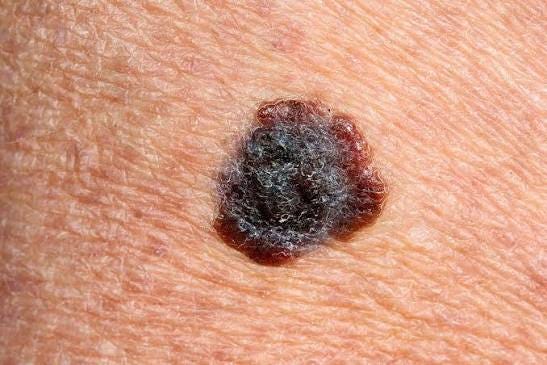
In a Phase III trial involving more than 1,100 patients, combining the vaccine with the immunotherapy drug Keytruda reduced the relative risk of cancer recurrence or death by 42% compared with Keytruda alone. After two years, 82.2% of patients receiving both treatments remained recurrence-free, compared with 70% receiving standard immunotherapy.
The treatment has not yet received regulatory approval and longer-term results are still being assessed.
Nevertheless, the findings represent an important advance in the development of personalised cancer therapies.
Sources: Reuters, Associated Press
2. HUMAN DEVELOPMENT | Indonesia’s Remarkable Poverty Reduction
New research has highlighted one of the world’s most significant, yet relatively overlooked, achievements in reducing extreme poverty.
An October analysis by Our World in Data found that in 1984, approximately 86% of Indonesians lived on less than US$3 per day, the international threshold used to measure extreme poverty. By 2025, that proportion had fallen to just 3.7%.
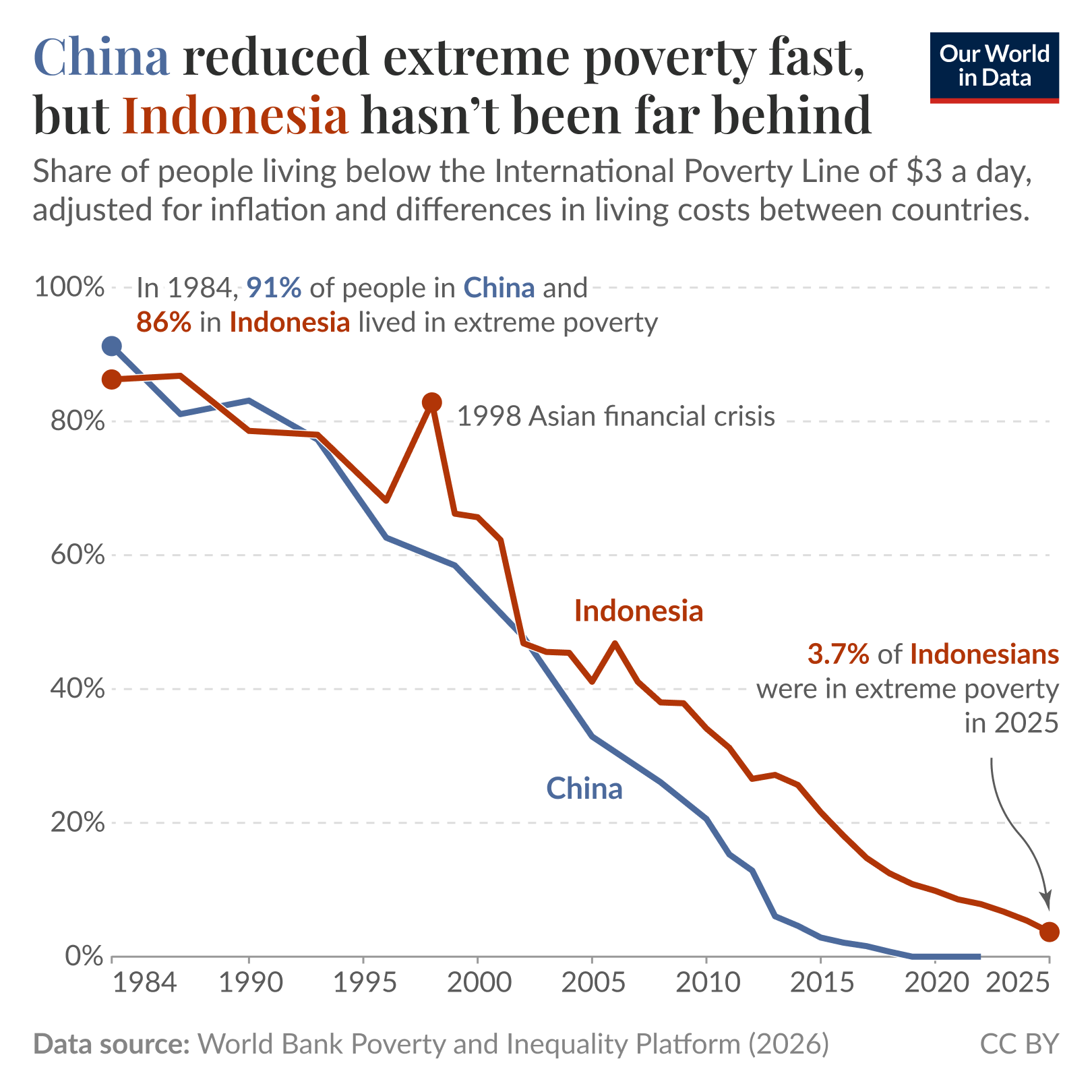
In absolute terms, the number of Indonesians living in extreme poverty declined from approximately 140 million to 10 million, despite substantial population growth over the intervening four decades.
China’s extraordinary poverty reduction is widely recognised but Indonesia’s experience demonstrates that major improvements in living standards have occurred across other large developing economies.
The US$3 threshold represents an extremely low standard of living and poverty remains a challenge in Indonesia. Nevertheless, the scale of the improvement documented in the October analysis is an important reminder of how much progress is possible over time.
Sources: Our World in Data, World Bank
3. HUMAN DEVELOPMENT | Basic Income Trial Transforms Amazon Communities
A pioneering experiment in the Peruvian Amazon suggests that providing people with greater financial security can improve livelihoods while supporting environmental conservation.
Over two years, 211 Indigenous participants across three Asháninka communities received unconditional cash payments equivalent to approximately £2 per day. The programme also offered voluntary training in financial management, Indigenous rights and environmental protection.
An October assessment by researchers at the University of Bath found that the proportion of households unable to afford nutritious food fell from 73% to 26%. The share of participants forced to migrate for work also declined, while nearly 90% reported adopting environmentally beneficial practices, including reforestation and protecting water sources.
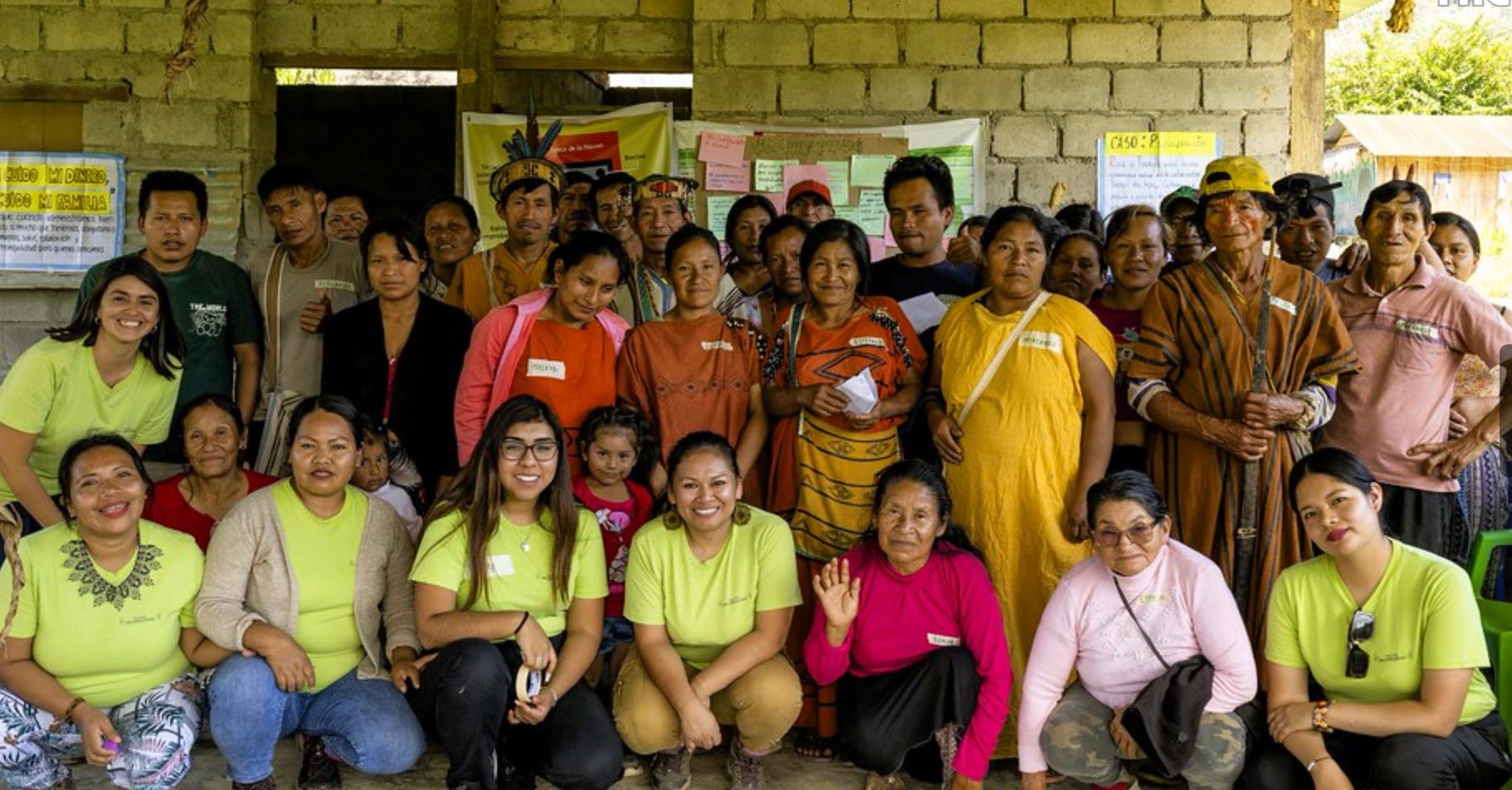
The findings are encouraging, although the relatively small trial did not include a control group, making it difficult to isolate the effects of the payments.
The project offers an interesting approach to improving economic security while helping Indigenous communities protect their environment.
Sources: University of Bath, The Guardian
4. ENVIRONMENT | Amazon Deforestation Falls to Record Low
Brazil has recorded its lowest annual Amazon deforestation rate since satellite monitoring began in 1988, marking a significant improvement in efforts to protect the world’s largest tropical rainforest.
Figures released in October by Brazil’s National Institute for Space Research showed that approximately 3,335 square kilometres of Amazon rainforest were cleared between August 2025 and July 2026. That represents a decline of almost 42% compared with the preceding year.

The country’s Cerrado savanna, another globally important ecosystem, also recorded its lowest deforestation rate since monitoring began, with clearing falling by approximately 24%.
The results were measured using Brazil’s established PRODES satellite-monitoring programme, which provides annual assessments of forest loss.
Deforestation has certainly not ended, and thousands of square kilometres of natural habitat continue to disappear each year.
The figures demonstrate that the destruction of major ecosystems is not inevitable and that sustained conservation efforts can deliver measurable improvements.
Sources: Brazilian Institute for Space Research, Reuters
5. CONSERVATION | Giant Tortoises Make an Extraordinary Recovery
A new scientific survey has confirmed the remarkable recovery of the Aldabra giant tortoise, a species that came close to extinction during the nineteenth century.
Researchers from the Seychelles Islands Foundation and the University of Exeter estimate that approximately 183,000 adult and subadult giant tortoises now inhabit Aldabra Atoll in the Indian Ocean. Heavy exploitation had reduced their population to fewer than 1,000 animals during the 1800s.
Aldabra became a strict nature reserve in 1981 and was designated a UNESCO World Heritage Site the following year. Decades of protection have allowed the tortoises to recover, creating the world’s largest free-roaming giant tortoise population.
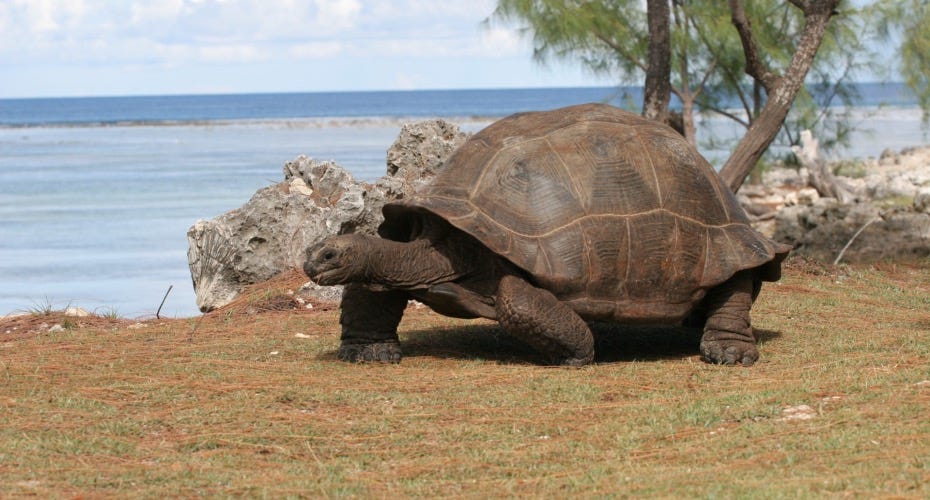
The new estimate is based on five years of monitoring and more sophisticated population modelling. Researchers caution that it should not be interpreted as evidence of a recent population explosion.
Instead, the findings demonstrate what sustained protection and long-term conservation monitoring can achieve for a once-threatened species.
Sources: University of Exeter, The Guardian
6. ENERGY | Battery Storage Becomes Cheaper Than Gas
Battery storage has reached an important economic milestone, with new research finding that four-hour battery systems are now cheaper than gas-fired peaking plants across a wide range of global electricity markets.
An October analysis by energy consultancy Wood Mackenzie compared the levelised cost of electricity from battery storage and open-cycle gas turbines in 43 markets worldwide. Batteries were cheaper in every market examined.
The shift reflects falling battery manufacturing costs, expanding production capacity and higher costs associated with gas turbines and fuel.
In the United States, Wood Mackenzie estimated that four-hour battery storage could be 65-75% cheaper than newly constructed open-cycle gas peaking plants, depending on local carbon-pricing arrangements.
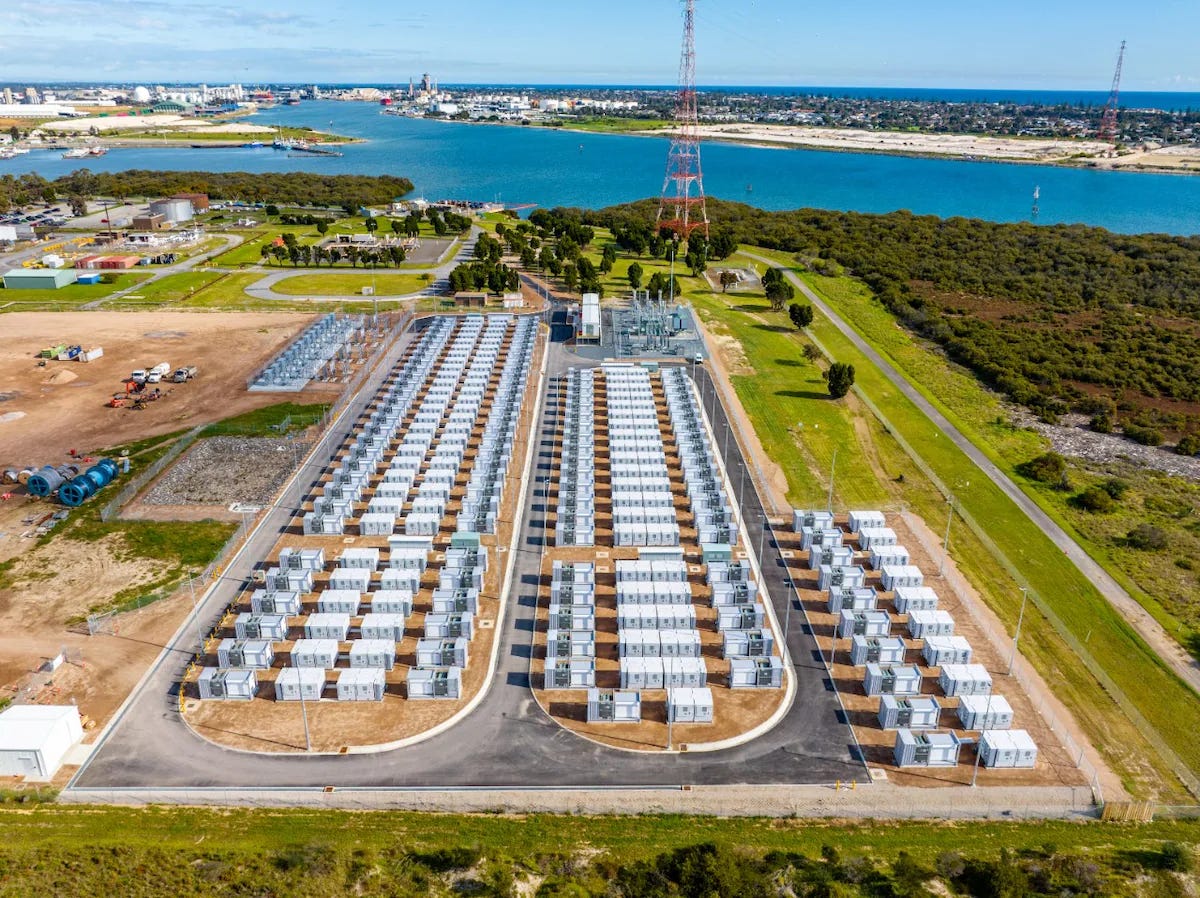
The comparison does not mean batteries can replace every function of gas generation, particularly during prolonged periods of limited renewable electricity production.
The findings demonstrate how rapidly the economics of energy storage are changing, strengthening the commercial case for cleaner electricity systems.
Sources: Wood Mackenzie, Utility Dive
7. TECHNOLOGY | Finland Reaches Nuclear Waste Milestone
Finland has achieved a world first in addressing one of nuclear energy’s most persistent challenges: the permanent disposal of spent nuclear fuel.
On 22 October, the Finnish Government granted Posiva an operating licence for its encapsulation and geological disposal facility at Olkiluoto. It is the first operating licence issued anywhere in the world for the permanent underground disposal of spent nuclear fuel.

The facility, known as Onkalo, has been developed over more than four decades. It is designed to isolate radioactive waste deep within stable bedrock, using engineered barriers and geological protection to prevent harmful releases over extremely long periods.
The licence authorises the disposal of spent fuel from Finland’s Olkiluoto and Loviisa nuclear power stations.
Final preparations and regulatory requirements must still be completed before disposal operations begin.
The decision represents a significant technological and regulatory achievement, demonstrating that a permanent solution to nuclear waste management can progress from research and planning to an authorised facility.
Sources: Finish Government, Posiva
8. ENVIRONMENT | Global Restoration Reaches 252 Million Hectares
A landmark United Nations assessment has documented the largest global ecosystem restoration effort yet recorded, offering encouraging evidence of progress in reversing environmental degradation.
Published on 29 October, the report found that approximately 252 million hectares of degraded ecosystems across 149 countries are currently undergoing restoration. That is an area roughly the size of Kazakhstan.
The assessment covers forests, grasslands, wetlands, freshwater systems and marine environments. Internationally recognised restoration programmes have also been associated with the creation of more than one million green jobs.
Importantly, the 252 million hectares are undergoing restoration, rather than having already returned to full ecological health.
The report also warns that progress remains insufficient to meet international restoration commitments for 2030, particularly for freshwater and marine ecosystems.
The findings demonstrate that environmental restoration has moved well beyond isolated projects, with substantial programmes now underway across much of the world.
Sources: UN Environment Program, UN FAO
9. HEALTH | Malaria Vaccine Price Falls by 40%
A new international agreement will substantially reduce the cost of a malaria vaccine, potentially allowing more children in vulnerable countries to receive protection against the disease.
Announced on 22 October, the agreement between UNICEF and Gavi will reduce the price of the RTS,S malaria vaccine by approximately 40%, bringing it to €5.50 per dose.

The arrangement is expected to generate around US$50 million in savings between 2027 and 2029. Those savings could enable up to one million additional children to receive the full four-dose vaccination course, or support other childhood immunisation programmes.
The agreement is linked to the transfer of vaccine manufacturing to India’s Bharat Biotech, which is intended to support more sustainable production and supply.
The lower price is expected to take effect in early 2027, subject to regulatory and manufacturing milestones.
It represents an important step towards making an increasingly valuable public-health intervention more affordable.
Sources: GAVI, Reuters
10. HUMAN DEVELOPMENT | Bangladesh Factory Wins Global Design Award
A textile factory in Bangladesh has won one of architecture’s most prestigious international awards for demonstrating how industrial buildings can be designed around the wellbeing of their workers.
The Green Field Factory in Rangpur, designed by Nakshabid Architects, received the 2026 RIBA International Prize in October.
The facility accommodates more than 5,000 employees, predominantly women, and incorporates extensive gardens, courtyards, natural ventilation and daylight. Its design draws inspiration from traditional Bengali homes, creating a working environment that differs considerably from conventional industrial buildings.
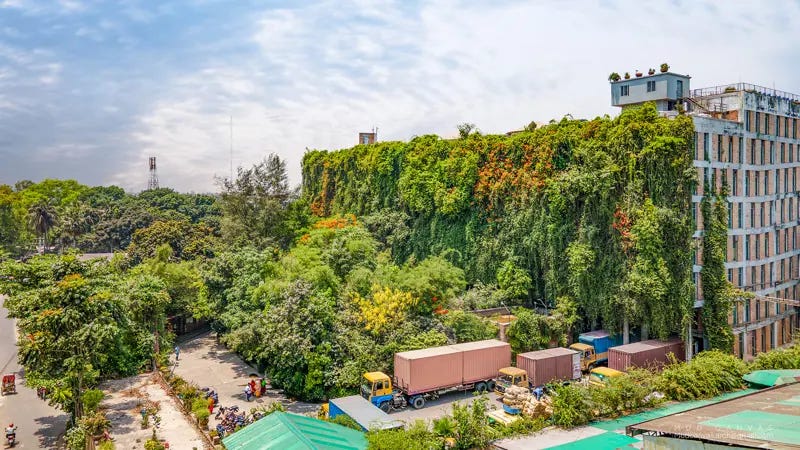
Employees also have access to childcare, medical facilities and recreational spaces.
The judges praised the project for challenging established approaches to factory design and placing human wellbeing at the centre of an industrial workplace.
The award does not establish that wages or employment conditions have improved. The project provides a practical example of how thoughtful architecture can create more welcoming and environmentally responsive workplaces.