


10 Good Things is our monthly counterpoint to some of the less uplifting reality that faces us in the daily news cycle
1. Global Health: WHO Reports Massive 40% Drop in HIV Infections
The World Health Organization (WHO) released its flagship World Health Statistics 2026 report on May 13, documenting monumental structural victories in the multi-decade battle against major infectious diseases. Chief among the findings is that new global HIV infections have plummeted by 40% compared to 2010 benchmarks, demonstrating the long-term, compounding impact of expanded global health initiatives.
The progress is particularly pronounced in the WHO African Region, which outpaced global averages by achieving a dramatic 70% reduction in new cases. Beyond HIV, the report highlighted a 36% decline in the number of people requiring interventions for neglected tropical diseases (NTDs).
These massive public health milestones reflect a highly successful global scale-up of localised diagnostic access, affordable antiretroviral therapies, and preventative care networks.
Sources: WHO, Health Policy Watch
2. Society: UK Renters’ Rights Act Takes Effect
The landmark Renters’ Rights Act officially came into force across England on May 1, 2026, fundamentally shifting the legal landscape for millions of private tenants. The legislation’s primary focus is the total abolition of Section 21 “no-fault” evictions, meaning landlords must now provide a legally defined reason to end a tenancy.
Additional provisions protect tenants by banning rental bidding wars and restricting rent increases to once per year with a mandatory two-month notice period. Private rentals must also comply with strict property standards regarding damp and mold.
This long-awaited overhaul establishes unprecedented stability, prioritizing tenant security and fairness while offering predictable guidelines for responsible property owners.
Sources: UK Government, England Shelter
3. Conservation: Kiwi Bird Population Milestone in New Zealand
Wellington celebrated a profound conservation milestone on May 5, 2026, as community organizers confirmed the successful return of the iconic kiwi bird to the capital’s wild landscapes. The Capital Kiwi Project announced the monitoring of the first wild-hatched kiwi chicks in the region in over a century.
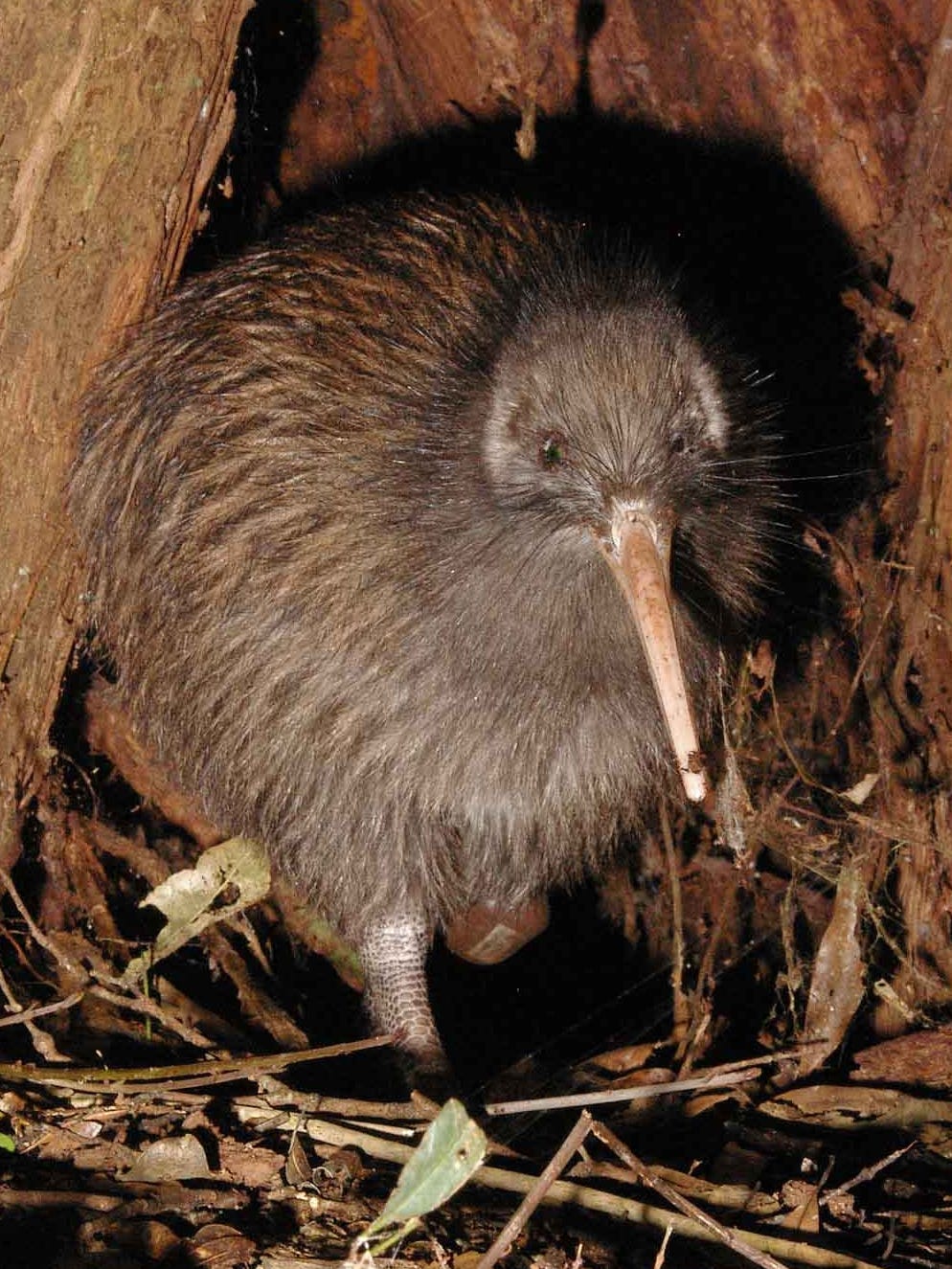
This milestone is the result of intensive, community-led predator control covering more than 23,000 hectares of public and private land. By systematically eradicating invasive pests, residents have safely transitioned the national bird from a managed conservation project back into a wild neighbor. The victory serves as an inspiring blueprint for grass-roots rewilding initiatives worldwide.
Sources: Capital Kiwi, NZ News
4. Energy: Battery Prices Reach Sub-$100 Milestone
Global energy market analysis from mid-May 2026 confirms that average lithium-ion battery pack prices have officially fallen below the critical $100/kWh threshold. Economists widely recognise this figure as the tipping point where electric vehicles achieve manufacturing cost parity with traditional internal combustion engines without relying on government subsidies.

The dramatic price drop stems from raw material stabilization and the aggressive scaling of international gigafactories. Lower battery costs concurrently transform utility grids by making large-scale renewable energy storage significantly cheaper than fossil-fuel alternatives.
This milestone marks a structural shift, making sustainable transit and energy infrastructure the superior economic choice.
Sources: Guiness, IEA
5. Marine Biology: New Giant Squid Habitats Discovered
An international marine expedition exploring deep underwater canyons off the coast of Western Australia announced a remarkable discovery on May 14, 2026. Utilising advanced deep-sea submersibles and environmental DNA (eDNA) sampling, scientists mapped hidden, thriving deep-sea ecosystems containing rare giant squid breeding grounds.
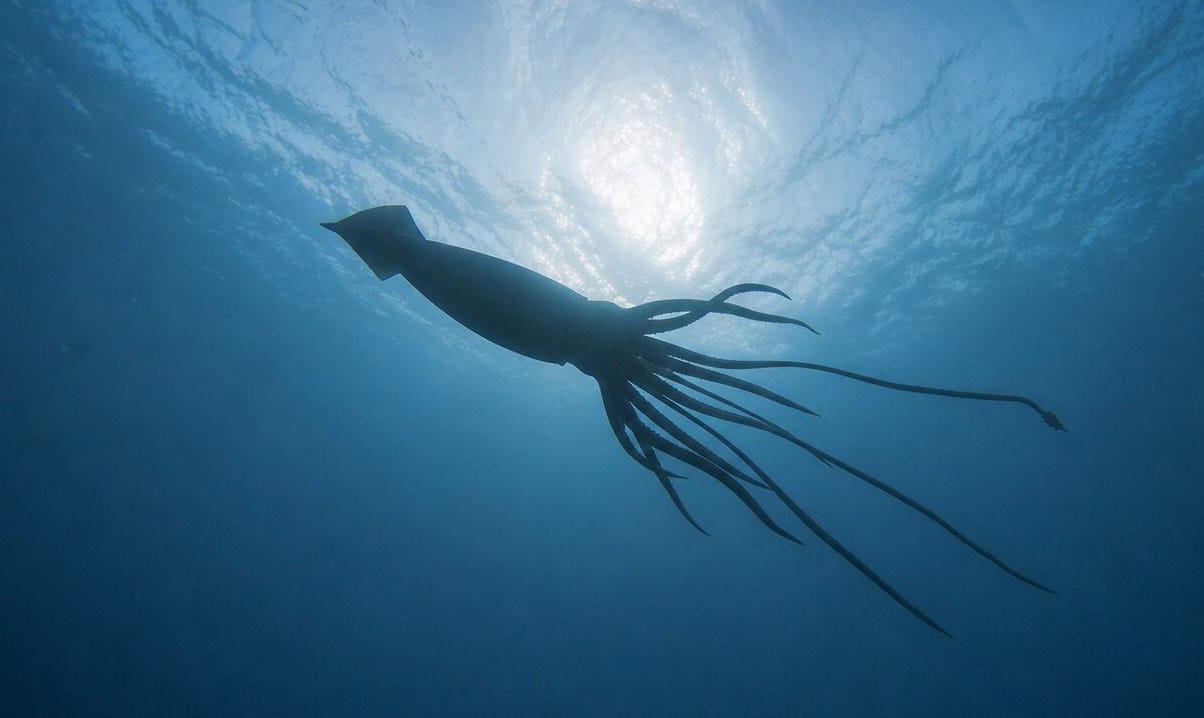
These deep ocean trenches serve as vital thermal refuges, sheltering diverse marine life from changing surface temperatures. The discovery provides invaluable insights into deep-sea biology and breeding behaviors.
Ocean advocacy groups are already leveraging the comprehensive mapping data to establish new Marine Protected Areas, shielding these delicate ecosystems from future industrial disruptions.
Sources: Science Daily, Marine Science
Restacking or sharing this publication means more people can read it. Commenting extends the conversation. Liking shows your appreciation.
6. Conservation: Leatherback Turtle Populations Rise in Indo-Pacific
NOAA Fisheries and the World Wildlife Fund jointly reported an 85% reduction in leatherback turtle nest poaching across Indonesia’s Kei Islands on May 15, 2026. This monumental success stems from a decade-long community initiative that successfully replaced turtle harvesting with locally managed eco-tourism opportunities.
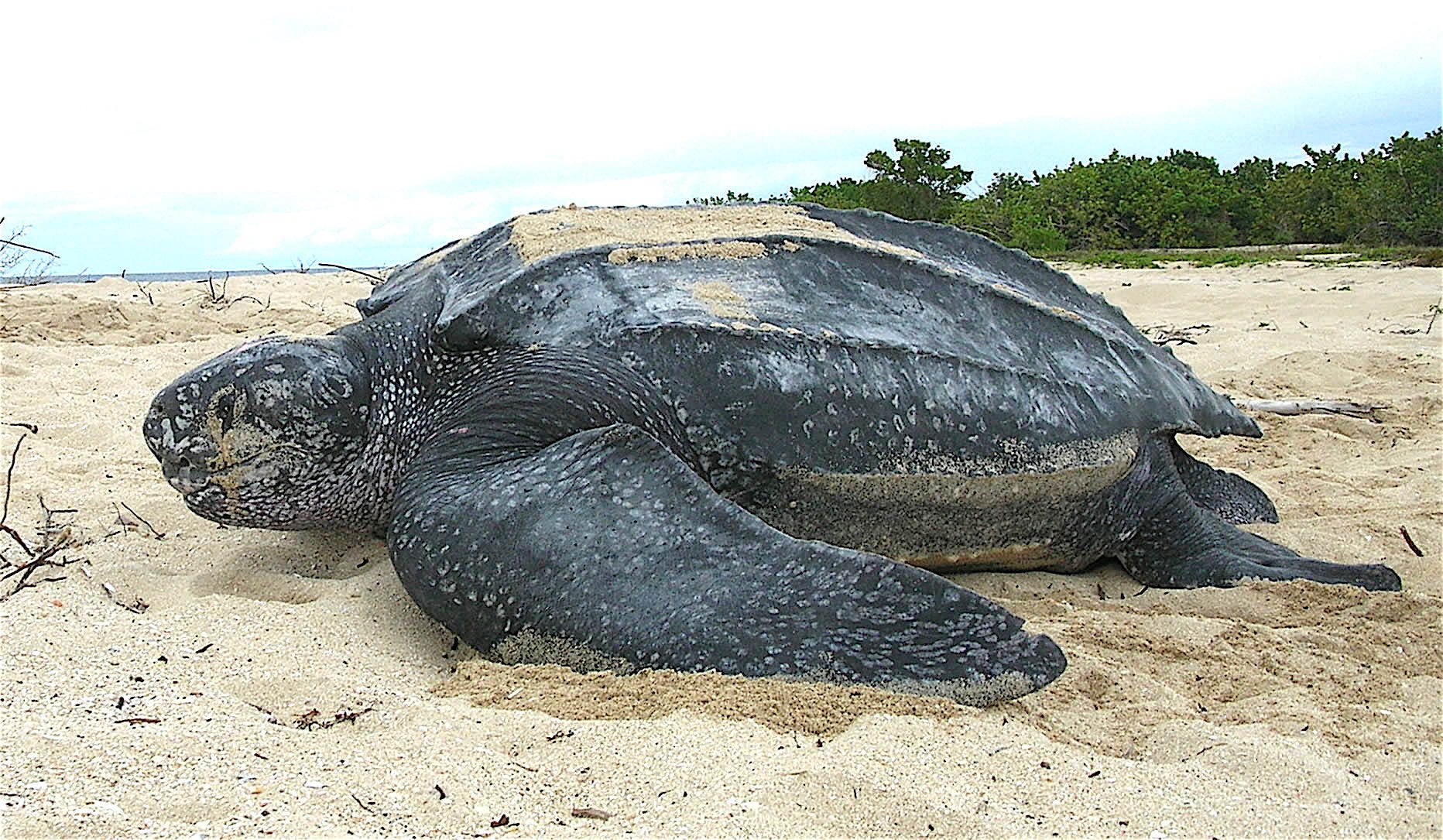
By empowering coastal residents to become active guardians of the nesting beaches, the project has stabilized the regional population of the world’s largest sea turtle.
Leatherbacks act as a critical indicator of broader ocean health. Their steady recovery demonstrates how aligning community economic incentives with wildlife preservation creates sustainable, long-term conservation success.
Sources: NOAA Fisheries, World Wildlife
7. Wildlife: Platypus Reintroduction Success in Royal National Park
Wildlife biologists from UNSW Sydney confirmed on May 24, 2026, that the reintroduced platypus population just south of Sydney has established a stable, self-sustaining presence. Three years after being brought back from a half-century absence, extensive river surveys confirmed multiple generations living along the Hacking River system.
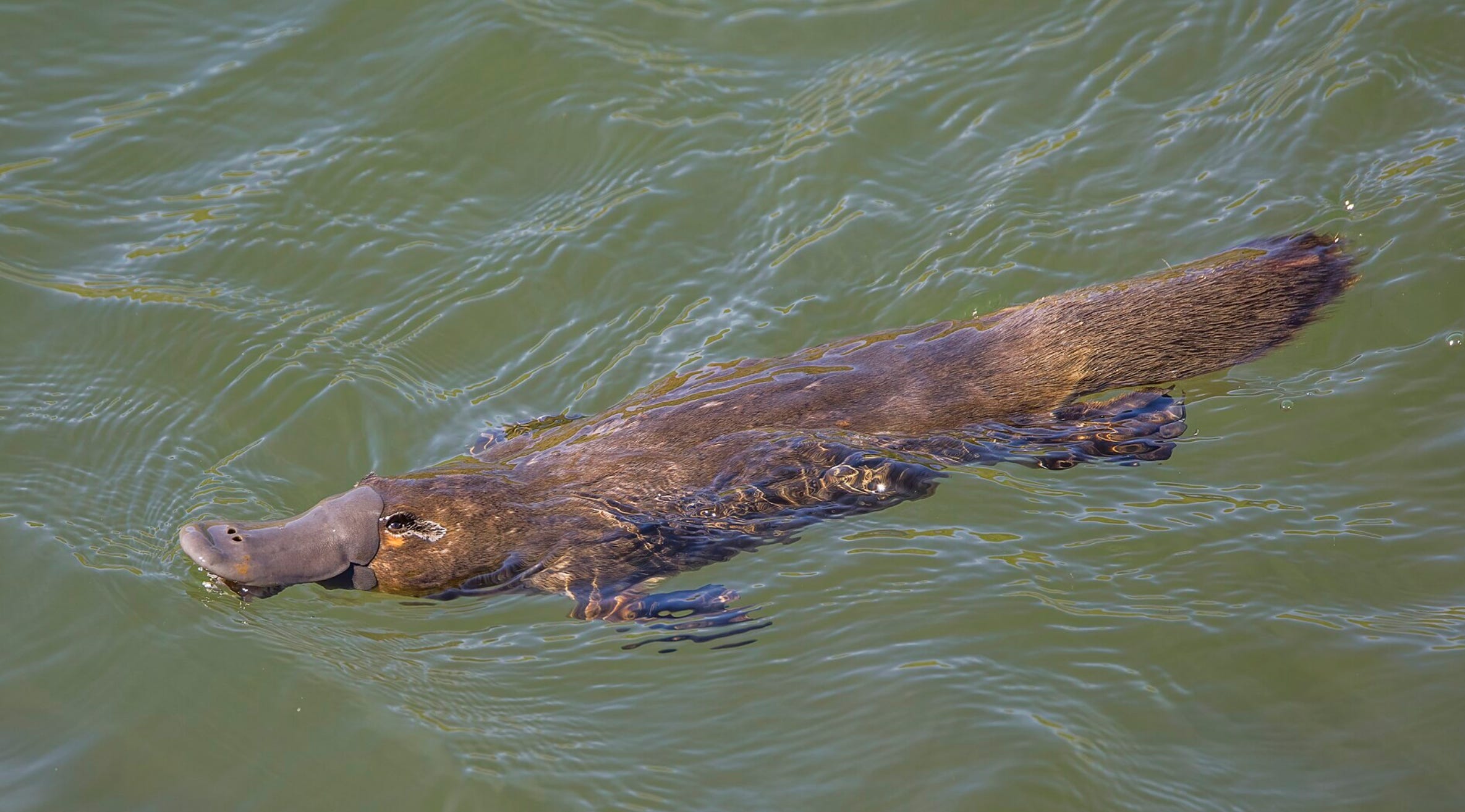
The tracking data revealed excellent health metrics and consistent, independent breeding cycles across the population. This successful reintroduction proves that intensive habitat restoration can effectively lure highly sensitive native species back to historical ranges. It stands as a profound victory for Australian biodiversity and watershed conservation.
Sources: Mongabay, ABC
8. Climate Science: Beaver Wetlands Identified as High-Density Carbon Sinks
A long-term study published by the University of Birmingham on May 26, 2026, revealed that riverbeds engineered by rewilded beaver populations serve as extraordinarily dense carbon sinks. The research demonstrates that beaver wetlands trap organic sediment that stores up to 14 times more inorganic carbon than surrounding forest soils.
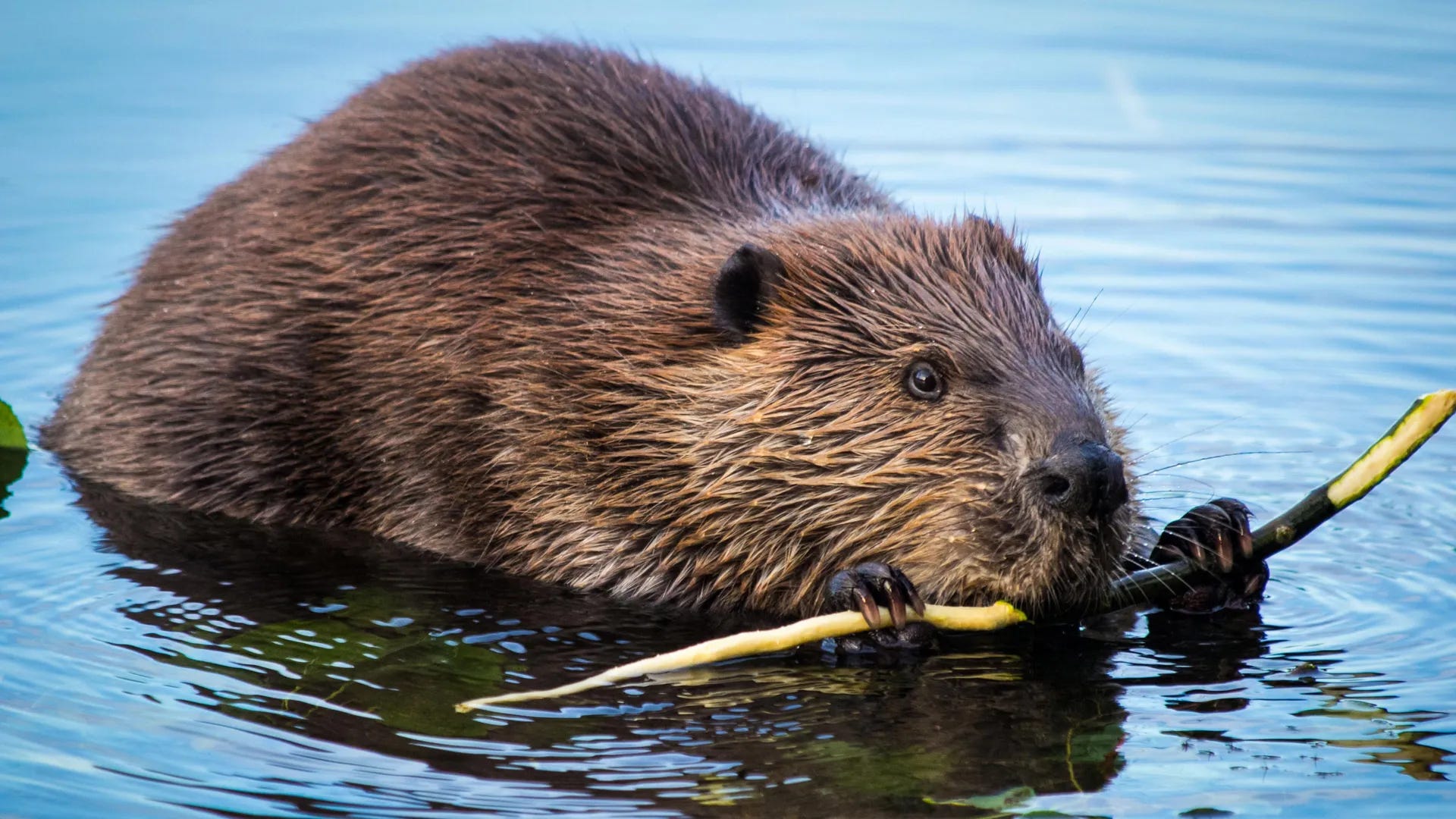
The waterlogged, low-oxygen environments created by beaver dams permanently lock away carbon while releasing negligible greenhouse emissions. This provides communities with an entirely natural, low-cost strategy for climate resilience. The findings bolster the global push for rewilding rivers, proving nature’s own engineers are highly effective allies in carbon capture.
Sources: Science Daily, University of Birmingham
9. Clean Energy: Perovskite-Silicon Tandem Solar Cells Hit 34.2% Efficiency
European solar infrastructure manufacturers finalized extensive real-world grid testing on a revolutionary commercial-grade tandem solar cell in late May 2026. By layering a thin film of perovskite over traditional silicon, the tandem panels shattered existing commercial efficiency barriers, converting a record-breaking 34.2% of sunlight into operational electrical energy during outdoor testing.

Standard silicon-only panels face a hard physical limit of around 29% efficiency, making this breakthrough a massive leap forward for global clean energy capacity. Crucially, the engineering consortium successfully resolved long-standing material degradation issues that previously plagued perovskite in outdoor elements.
Proving these panels can reliably survive harsh weather for 25 years clears the path for immediate mass manufacturing and cheaper, high-yield solar farms worldwide.
Sources: Fraunhofer, Solar Quarter
10. Marine Tech: AI Acoustic Buoy Network Deployed for Whale Safety
An international maritime coalition finalized the deployment of an autonomous “whale-safe” acoustic buoy network across major Mediterranean shipping corridors on May 30, 2026. The advanced system uses real-time underwater acoustic monitoring and machine learning to isolate and identify the distinct vocalisations of endangered whales.

Upon detecting a whale, the system instantly transmits speed-reduction and automated course-correction coordinates directly to nearby commercial cargo vessels. Initial tracking data from late May showed an incredible 90% reduction in close-encounter risks.
This technology successfully bridges artificial intelligence with marine safety, protecting ocean giants without slowing global supply chains.
Sources: Oceancare, Frontiersin
Restack this post to help it reach more readers interested in the world.