


This month we see a consistent theme shift as we swing from “slowing the decline” to “active recovery.”
1. Chile Officially Eliminates Leprosy
In March 2026, the World Health Organization (WHO) verified Chile as the first country in the Americas to eliminate leprosy (Hansen’s disease) as a public health concern. This milestone marks the culmination of over 30 years without a single locally acquired case.
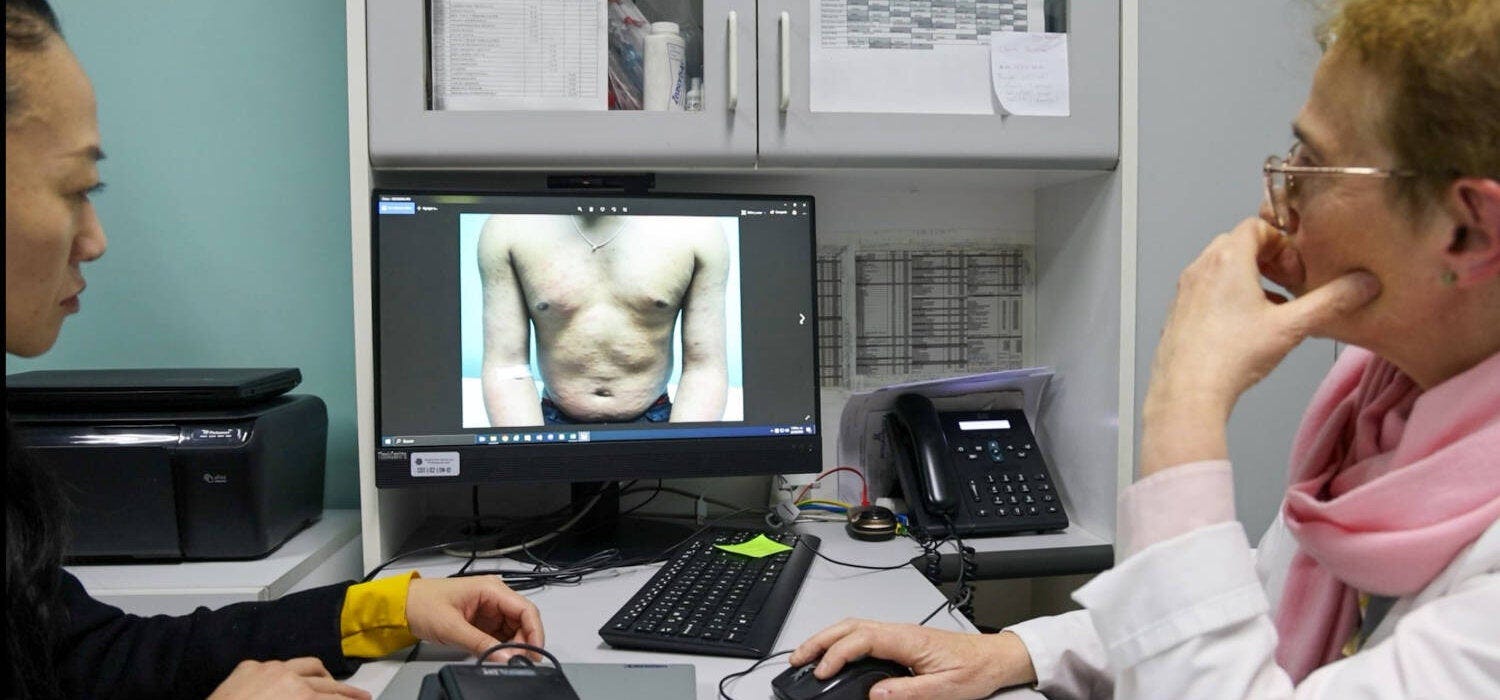
Chile’s success is built on a “low-incidence” model that kept the disease legally notifiable even as it faded from public memory, ensuring that health professionals remained trained to spot and treat rare imported cases immediately. By providing free multidrug therapy and prioritizing patient confidentiality, Chile has proven that even ancient, stigmatized diseases can be defeated through sustained political will and strong primary healthcare.
Sources: PAHO, Vax Before Travel
2. “Stunning” Results in Prostate Cancer Immunotherapy
A Phase I trial for the experimental drug VIR-5500 has delivered breakthrough results for men with advanced, treatment-resistant prostate cancer. Traditionally, prostate tumors are “cold,” meaning they successfully hide from the immune system, making immunotherapy ineffective. However, this new “T-cell engager” acts like a homing beacon, linking the body’s killer T-cells directly to cancer cells.
In results presented this March, 82% of patients saw their PSA levels drop by half, and nearly 50% experienced actual tumor shrinkage. Researchers are particularly optimistic about the drug’s “cloaking device” design, which allows it to activate only inside the tumor, significantly reducing the harsh side effects usually associated with intensive cancer treatments.
Sources: San Francisco Today, Black Enterprise
3. Monarch Butterfly Population Surges 64%
The annual monarch butterfly census released in March revealed a significant recovery in the overwintering population in Mexico. The area of forest occupied by the butterflies jumped to 7.24 acres, a 64% increase from the previous winter’s record lows.
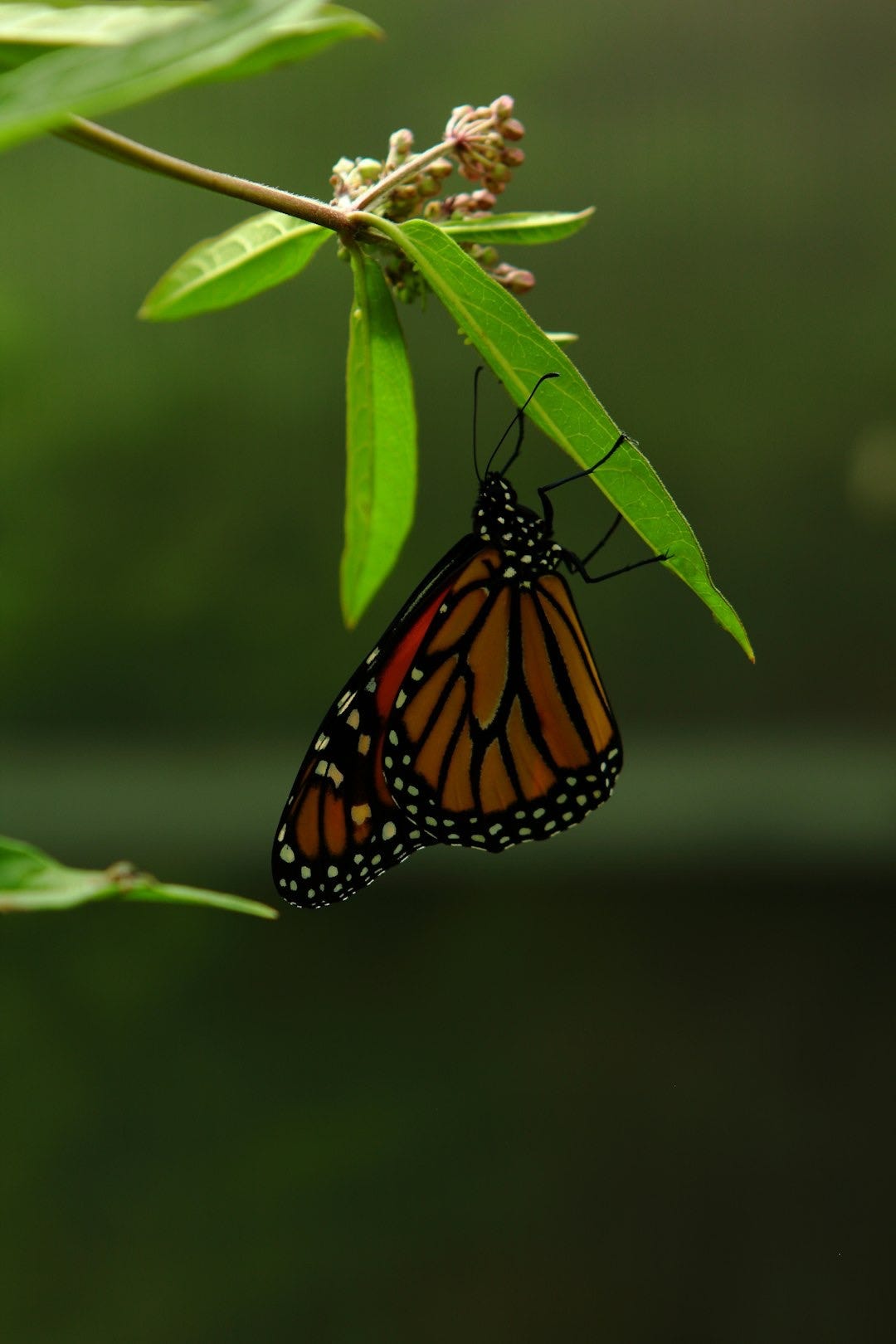
This bounce-back is attributed to a rare combination of favourable spring weather and a massive tri-national effort between Mexico, the U.S., and Canada to restore milkweed habitats along the 2,800-mile migratory corridor. While scientists warn that the species remains vulnerable to climate change, this surge provides a critical demographic buffer and proves that coordinated, continental-scale conservation can effectively pull iconic species back from the brink.
Sources: Xerces Society, The Guardian
4. Chile Signs Protocol for Cape Froward National Park
On March 10, 2026, the Chilean government signed the official protocol to create the Cape Froward National Park at the southernmost tip of the American continent. Spanning over 300,000 acres of sub-Antarctic forests and peat bogs, the park was established through a historic donation from the NGO Rewilding Chile and public land designations.
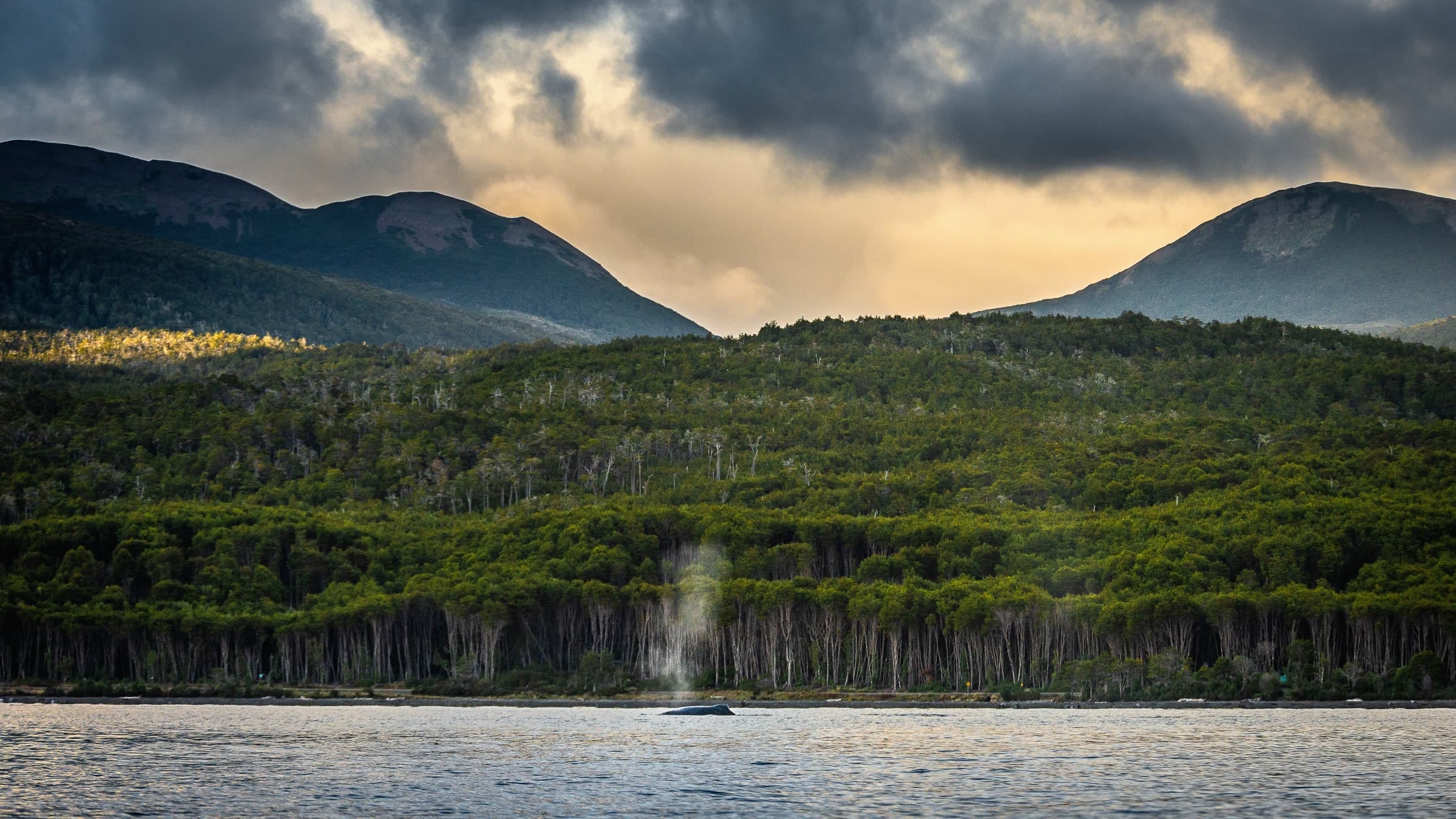
The territory is ancestral to the Kawésqar Indigenous people, who will co-manage the park to ensure their cultural heritage is protected alongside the habitat of endangered species like the huemul deer and the puma. This new “Route of the Parks” addition ensures that one of the world’s most rugged and pristine wildernesses remains a permanent public asset.
Sources: GOB, Voyagers Travel
5. Amazonian Bees Win Legal Standing
In a global first for insect conservation, the Peruvian municipalities of Satipo and Nauta granted legal rights to native stingless bees this month. The ordinance recognizes these bees- essential for pollinating 80% of Amazonian flora - as “legal subjects” with the inherent right to exist, flourish, and inhabit a pollution-free environment.
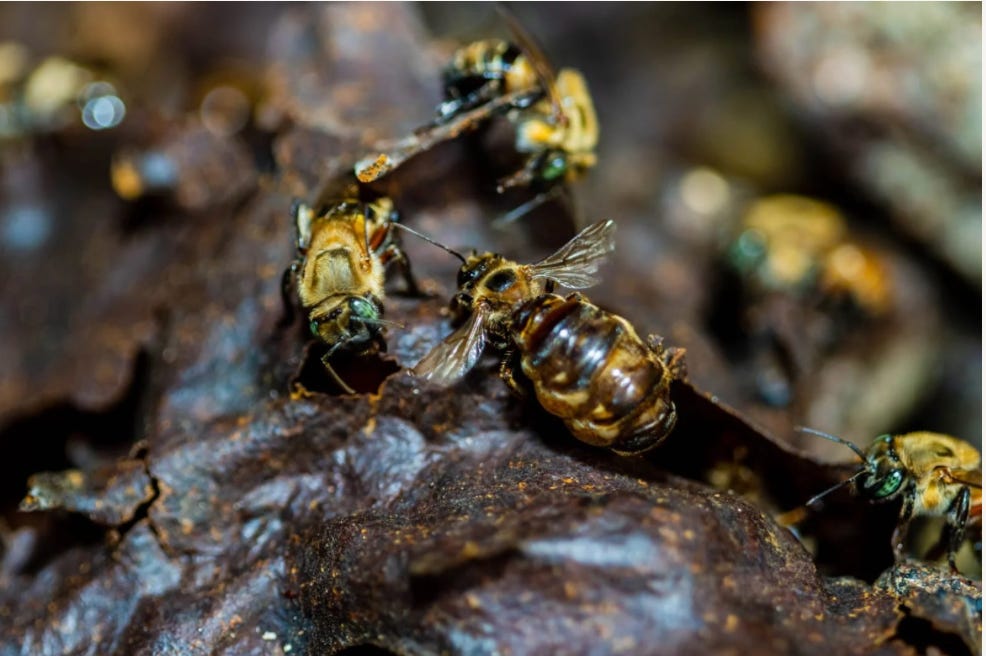
For the first time, “guardians” (Indigenous leaders and environmental experts) are legally empowered to represent the bees in court to block activities like illegal logging or pesticide use that threaten their survival.
This marks a radical evolution in environmental law, moving protection beyond large “charismatic” animals to the tiny, foundational pillars of the entire rainforest ecosystem.
Sources: Nation Of Change, Drishti
6. King Charles III Inaugurates England Coast Path
On March 19, 2026, His Majesty the King officially inaugurated the King Charles III England Coast Path at the Seven Sisters cliffs in East Sussex. Stretching 2,700 miles, it is now the longest continuous managed coastal walking route in the world. The project has successfully connected previously fragmented stretches of beaches and clifftops, granting the public a permanent “right to roam” around the entire nation.

A key innovation of the path is its “rolling edge” legal status, which ensures that as the coastline naturally erodes, the path’s boundaries automatically move inland. This protects public access for future generations, regardless of the physical changes brought by climate change.
Sources: National Trails, UK Government
7: “Rx Kids” Poverty Antidote Expands
One year after its launch, the Rx Kids program released data on March 4, 2026, showing transformative results in Michigan. The program—which “prescribes” unconditional cash: $1,500 during pregnancy and $500 monthly for an infant’s first six months—expanded this month to cover the entire Upper Peninsula.

The data confirms that by treating poverty as a preventable medical condition, the program has significantly reduced maternal stress and infant food insecurity.
Unlike traditional welfare, Rx Kids removes the “bureaucracy of poverty,” trusting parents to use the funds for their family’s immediate needs. It is currently being studied as a highly efficient model for improving long-term health outcomes through direct financial dignity.
Sources: Human Medicine, Rx Kids
8. CrossSense Smart Glasses Win £1M Longitude Prize
The prestigious Longitude Prize on Dementia was awarded on March 18, 2026, to the CrossSense smart glasses, a revolutionary tool for preserving independence. Developed by a team including University of Sussex scientists, the glasses use augmented reality and a soft-spoken AI assistant named “Wispy” to guide users through daily routines.
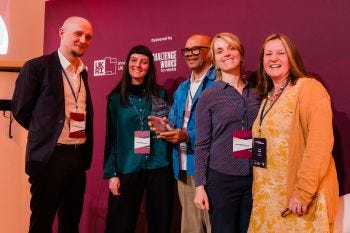
The AI learns a user’s unique habits and provides gentle prompts, such as naming objects or highlighting potential hazards like a hot stove. By focusing on lived experience and safety rather than just a clinical cure, the technology allows people in the early stages of dementia to stay in their own homes longer, maintaining their confidence and connection to their surroundings.
Sources: Challenge Works, University of Sussex
9. 19 Global Cities “Breathe Better”
A comprehensive report released on March 11, 2026, by the group Breathe Cities named 19 global metropolises—including San Francisco, London, and Beijing—as champions of air quality. These cities have successfully cut toxic air pollution by at least 20% over the last 15 years, with some achieving drops as high as 45%.

The data shows that these improvements were not accidental but the result of deliberate urban design, such as pedestrianizing city centers, expanding electric vehicle fleets, and doubling bike lane networks.
Most significantly, the report proves that cities can grow economically while simultaneously slashing the pollution that causes thousands of premature deaths annually.
Sources: San Francisco Environment, Travel Tomorrow
10. EU Nature Restoration Targets Go Live
In March 2026, the European Commission officially opened the implementation and funding phase for the landmark Nature Restoration Law. This marks a historic transition from voluntary conservation to a binding legal requirement for all EU member states to restore 20% of the continent’s land and sea areas by 2030.

With a dedicated biodiversity budget rising to 10% this year, nations are now submitting draft plans to replace concrete with “micro-forests,” restore degraded peat bogs, and remove river barriers. The law is the first of its kind in the world, putting ecological recovery on an equal legal footing with carbon reduction targets to ensure long-term climate resilience.
I’m LOVING this Good Things edition. I haven’t felt this happy reading “news” in a LONG time. Thank you.