


10 Good Things is our monthly counterpoint to some of the less uplifting reality that faces us in the daily news cycle
1. Environment | European Air Quality Continues Decadal Improvement
Fresh data released by the European Union’s Copernicus Atmosphere Monitoring Service (CAMS) reveals a sustained, continent-wide reduction in major air pollutants.
Long-term tracking confirms that key hazardous emissions, specifically sulfur oxides and nitrogen oxides have decreased at an average rate of 3% to 5% annually across Europe since 2015.

The decline is primarily driven by rigorous industrial regulations, cleaner transport infrastructure and the transition toward renewable energy systems.
Researchers emphasise that despite regional weather challenges, multi-decade policy commitments are delivering measurable public health benefits, significantly reducing premature respiratory illnesses and improving overall quality of life for urban populations.
Sources: ECMFW, Atmosphere Copernicus
2. Public Health | Anti-Inflammatory Diet Linked to Reduced Dementia Risk
A landmark neurological study from Karolinska Institutet in Sweden demonstrated that dietary choices can significantly alter cognitive decline outcomes in genetically predisposed individuals.
Researchers evaluated participants possessing high baseline levels of p-tau217 - a critical blood protein marker indicating preclinical Alzheimer's disease and structural neurodegeneration.
The longitudinal data revealed that individuals adhering strictly to an anti-inflammatory diet rich in whole foods, plant nutrients, and healthy omega fatty acids reduced their actual risk of developing clinical dementia by up to 30% compared to control groups.
Neurologists emphasise that proactive lifestyle interventions offer a high-impact, accessible, and non-pharmacological line of defense against progressive cognitive disorders.
Sources: Medical News Today, Medpage
3. Energy | Global Power Sector Hits Clean Demand Milestone
The global energy sector achieved a historic transition milestone, according to the 2026 Statistical Review of World Energy published by the Energy Institute.

Data confirms that while total worldwide electricity consumption grew by 3% over the trailing twelve months, 100% of this net demand growth was satisfied entirely by clean renewable sources. Wind, solar, hydro, and secondary renewables expanded at a pace that fully absorbed new global demand without requiring increased net fossil fuel generation.
Economists and energy analysts state that this structural tipping point proves clean generation technology can scale dynamically alongside global economic growth, accelerating baseline grid decarbonisation targets globally.
Sources: Energy Institute, Reuters
4. Public Health | Malaria Vaccine Inventor Earns European Inventor Award
Sir Adrian Hill and his Oxford University research team were awarded the prestigious European Inventor Award 2026 by the European Patent Office for developing the R21/Matrix-M malaria vaccine.

Malaria continues to pose a severe global threat, claiming hundreds of thousands of lives annually, predominantly among young children in sub-Saharan Africa.
The R21 vaccine demonstrated an unprecedented 75% to 80% efficacy rate during rigorous clinical trials, triggering widespread rollout following World Health Organisation approval.
Millions of doses manufactured worldwide have already saved thousands of lives, drastically lowering child mortality and reducing severe economic strain on developing healthcare systems.
Sources: European Patent Office, Oxford University
5. Materials Science | Ancient Sea Worm Jaws Reveal New Class of "Bio-Metals"
Biophysicists at TU Wien and the University of Vienna discovered that the structural jaws of the ancient marine bristle worm Perinereis cultrifera represent an entirely new class of natural materials termed "bio-metals".

Published in Biophysics Reviews, detailed nanoindentation tests showed that the worm’s jaw tips combine concentrated metal ions with structural proteins, generating copper-like mechanical hardness alongside unique strain-dependent elasticity.
Unlike conventional crystalline metals, these protein-metal architectures resist structural deformation through microscopic atomic defect interlocking.
The discovery opens groundbreaking pathways in bio-inspired materials engineering, offering scientists a blueprint to synthesise lightweight, hyper-durable synthetic materials without relying on high-temperature industrial smelting processes.
Sources: Science Daily, Biophysics Review
6. Energy | World’s Largest Sand Battery Cuts District Heating Emissions by 70%
In Pornainen, Finland, clean energy developer Polar Night Energy completed operational integration of the world's largest commercial sand-based thermal storage battery.
Standing 13 meters tall and containing 2,000 metric tons of crushed soapstone—a byproduct of local manufacturing - the silo stores 100 megawatt-hours of thermal energy.
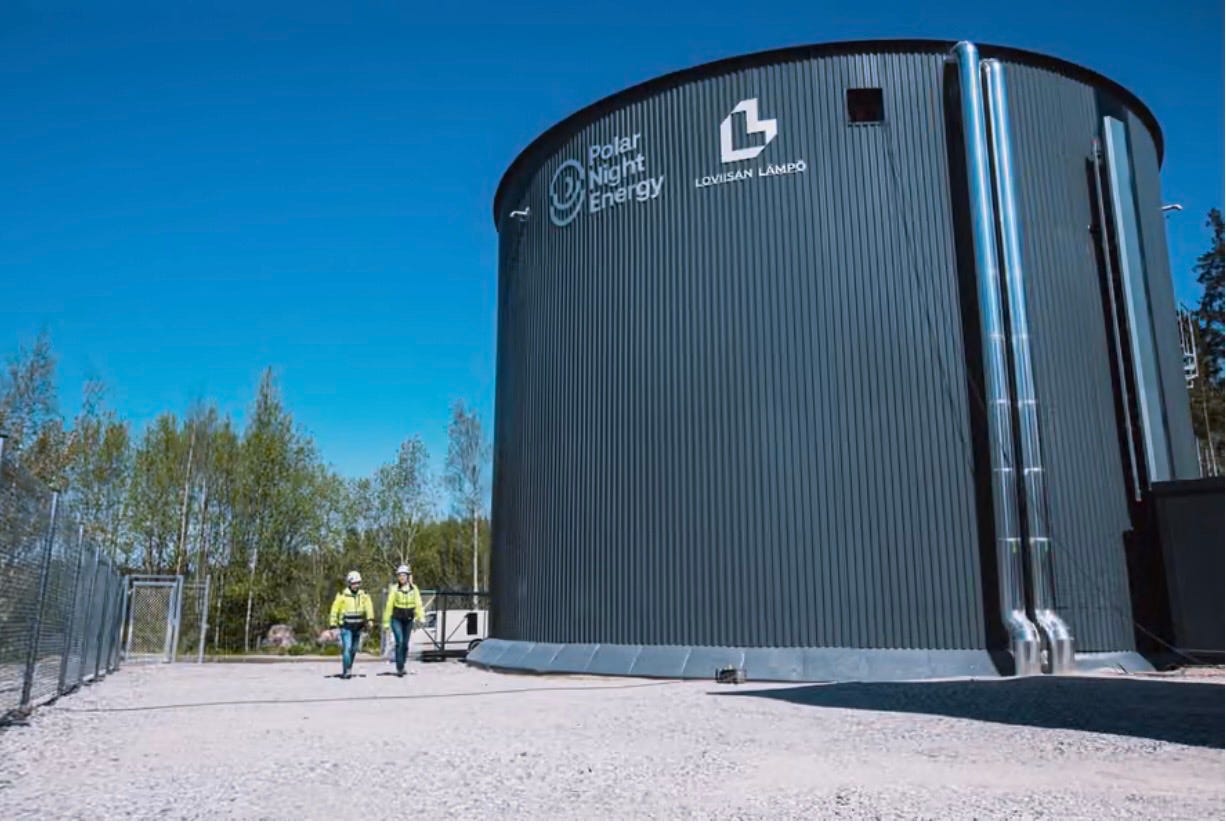
Using clean grid electricity during periods of low spot prices, resistive elements heat the internal air to over 500°C, retaining thermal energy for weeks.
The system discharges heat directly into the municipal district network, cutting local heating emissions by nearly 70% and slashing woodchip combustion by 60%, proving the viability of scalable, low-cost long-duration energy storage without rare-earth materials.
Sources: Kalkine, The Guardian
7. Oncology | Fully Human Antibody Halts Aggressive Prostate Cancer Spread
Biomedical researchers at Umeå University developed a novel, fully human monoclonal antibody that halted both tumor growth and metastatic progression in aggressive prostate cancer models.
Published in Signal Transduction and Targeted Therapy, the preclinical study demonstrated that the therapeutic antibody targets specific oncogenic signaling pathways involved in cell invasiveness and tissue migration.
Because the molecule is constructed entirely from human proteins, it exhibits enhanced physiological stability and significantly lowers the potential risk of systemic toxic side effects compared to traditional chemotherapy.
The successful trial marks a pivotal milestone toward human clinical trials for advanced solid tumors that have resisted standard androgen-deprivation therapies.
Sources: Science Daily, Nature
8. Vision Care | Breakthrough Retinal Eye Implant Approved for European Clinical Deployment
European health regulators approved the PRIMA bionic vision system, a revolutionary miniature eye implant designed to restore functional sight in patients suffering from geographic atrophy, an advanced form of age-related macular degeneration.
The subretinal micro-chip features hundreds of light-sensitive photovoltaic pixels that convert light beamed from augmented smart glasses into localized electrical signals. These pulses stimulate surviving optic nerve cells directly, allowing the brain to process real-time visual patterns.

Clinical validation trials confirmed significant improvements in central reading vision, marking a landmark transition from experimental medical engineering to accessible, life-changing treatment for thousands facing irreversible visual impairment.
Sources: Science, New Scientist
9. Women’s Health | AI Blood Test Safely Rules Out Cancer
A major clinical evaluation of the PinPoint AI-driven blood test published in Mayo Clinic Proceedings: Digital Health demonstrated significant progress in oncology diagnostics.
Evaluated across 16,481 patients in the UK NHS system, the machine-learning model successfully and safely ruled out gynaecological cancer in 20% of symptomatic women without requiring invasive secondary examinations.
By analyzing standard blood biomarkers, the algorithm accurately identifies low-risk cases, drastically reducing patient anxiety and preventing unnecessary, painful procedures.
Crucially, this rapid triaging mechanism optimizes healthcare infrastructure, allowing specialist oncology teams to dedicate immediate capacity and resources to high-risk patients who require urgent clinical intervention.
Sources: Pinpoint, The Guardian
10. Clean Energy | UK Legalises Plug-In Balcony Solar Systems
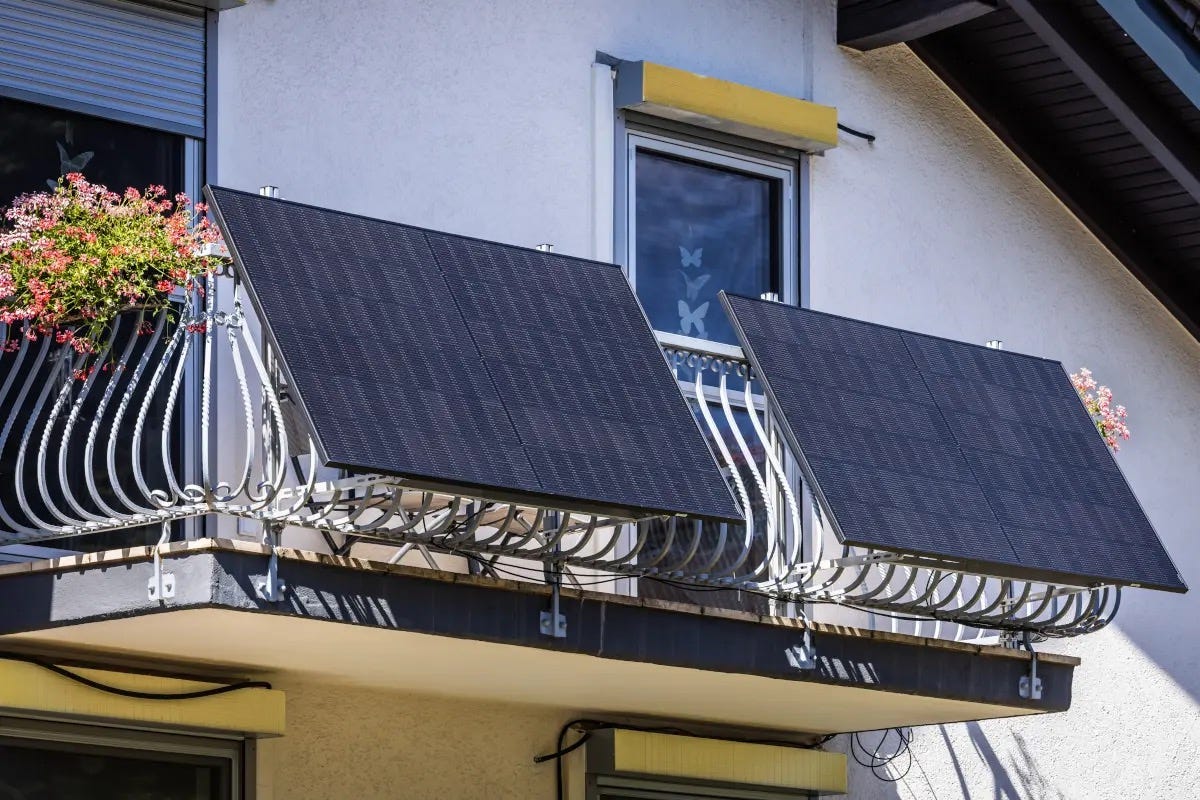
The United Kingdom has formally passed legislation legalising plug-in balcony solar systems for residential use starting August 27, 2026.
Under the amended regulations, households and renters can purchase compact photovoltaic units up to 800 watts and plug them directly into standard three-prong wall sockets without requiring professional electrical installation.
Similar to systems widely deployed across Germany and Spain, these units allow flat owners and tenants to generate clean electricity from balconies, terraces, or garden sheds.
The policy shift aims to expand clean energy access to millions of non-homeowners, lower household electricity costs during ongoing energy market volatility, and support national decarbonisation targets through decentralised urban power generation.