


Below you will find the first edition of 10 Good Things - a monthly post of ten positive (but still succinct) news stories to counterbalance some of the doom and gloom that dominates the usual 24 hour news cycle.
We would appreciate any comments or feedback and please share it with your friends.
A free subscription will deliver you 10 Things Global News (succinct, unbiased global news each weekday), 10 Things Weekly Roundup (a recap of what happened in the week and how it all tied together) and this publication.
1. India’s Bionic Breakthrough: AI for Rural Agency
At the India AI Impact Summit (February 16–20), a collaboration between UN Women and the social enterprise Bioniks showcased AI-driven bionic limbs tailored for female agricultural workers.
In rural India, injuries from harvesting machinery often lead to permanent social and economic exclusion.
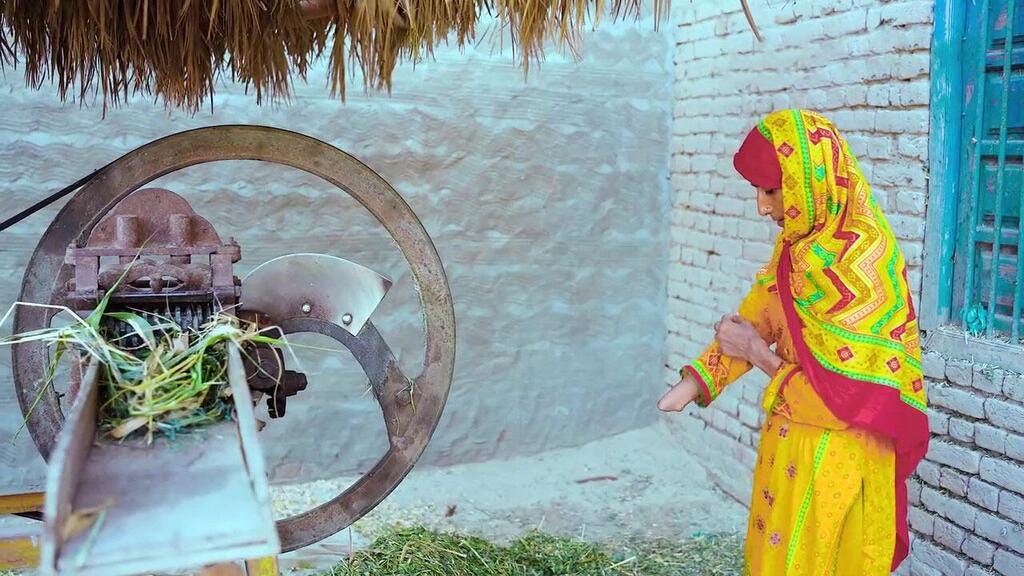
These new prosthetics use “frugal AI” and 3D scanning to create a lightweight, custom-fitted solution that restores the fine motor control required for tasks like crop harvesting and hand embroidery. This initiative was a headliner of the “Casebook on Real-World Impact of AI in Gender Empowerment” launched this month, moving advanced medical tech out of high-end clinics and into the hands of those who need it most.
Sources: UN News, Veloxx Media
2. The Yangtze Resurrection: Biomass Doubles
A definitive study published in Science on February 12th confirmed that Asia’s longest river is undergoing a historic ecological recovery. Just five years into a mandatory 10-year commercial fishing ban, the total fish biomass in the Yangtze River has more than doubled (a 209% increase). Researchers also observed a significant rebound in endangered flagship species, including a 50% increase in the population of the critically endangered Yangtze finless porpoise.
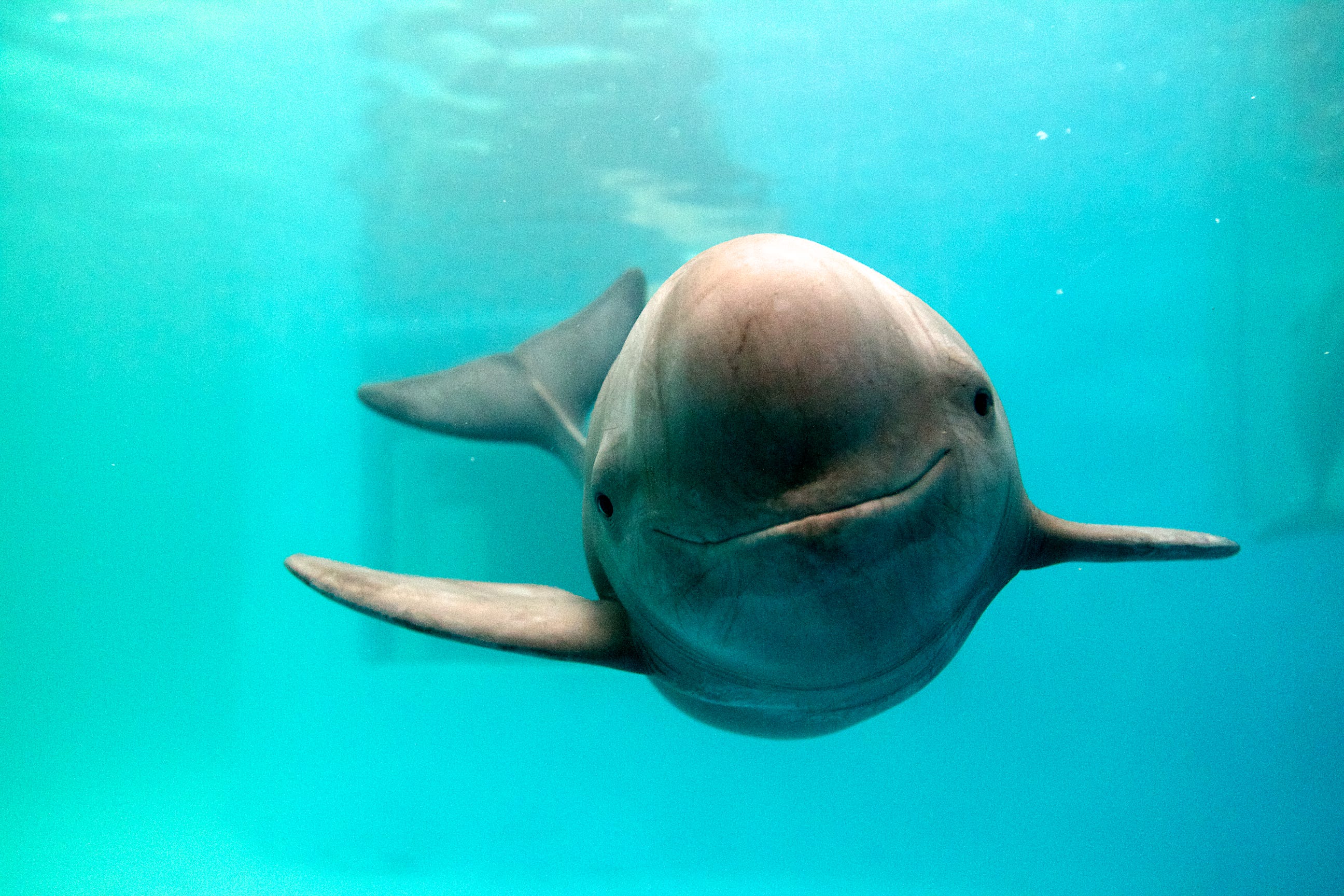
The recovery is credited to a “community-first” model that provided alternative livelihoods for over 200,000 former fishers. This February report offers global proof that ambitious, large-scale political mandates can reverse decades of industrial degradation in record time.
Sources: Eureka Alert, The Guardian
3. The $1 Million Teacher: Walls of Learning
On February 5th Indian artist and educator Rouble Nagi was awarded the $1 million Global Teacher Prize at the World Governments Summit in Dubai. Nagi’s “Misaal” project has revolutionised education in India’s most underserved slums by turning over 800 neglected walls into interactive “Living Walls of Learning.”

These murals serve as massive, open-air textbooks teaching literacy, hygiene, and environmental science.
Over two decades, Nagi has brought over one million children into the education system who previously had no access to formal schooling. She announced that the entirety of the prize money will be used to launch a “Skilling Institute,” providing free vocational training and digital literacy to help marginalised youth achieve economic independence.
Sources: Global Teacher Prize, Teacher Magazine
4. The Return of Floreana: 158 Giant Tortoises
In a landmark conservation achievement, 158 giant tortoises were released onto Floreana Island in the Galápagos in February. This marks the first time in 180 years that tortoises from this specific lineage - extinct on the island since the 1840s have returned home.
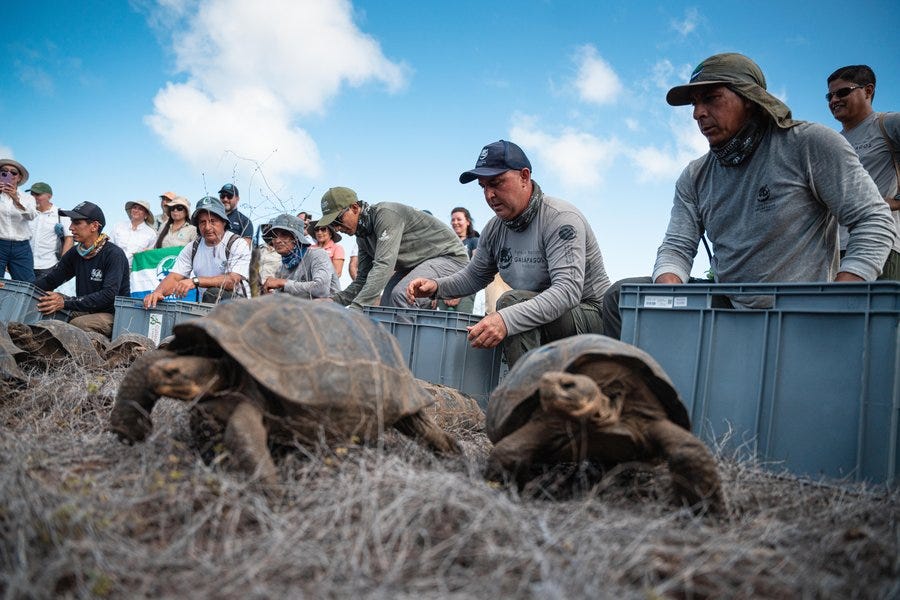
The project is the result of decades of genetic back-breeding using hybrid tortoises found on other islands. These juvenile tortoises act as “ecosystem engineers,” whose grazing and seed dispersal are vital for restoring the island’s native vegetation.
This reintroduction is a central pillar of the Galápagos’ largest ecological restoration project, representing a massive victory for conservation genetics and a symbolic reversal of human-driven extinction.
Sources: Charles Darwin Foundation, Galapagos Conservancy
5. EU Bans the “Burn” for Unsold Fashion
On February 9th, the European Commission officially adopted new measures under the Ecodesign for Sustainable Products Regulation (ESPR), banning the destruction of unsold apparel, accessories, and footwear. This legislation targets the “fast fashion” practice of burning or landfilling excess stock to maintain brand exclusivity.

Large companies must now comply with strict transparency rules, disclosing how much stock they discard and why. The regulation marks a major pivot toward a circular economy, forcing the industry to prioritize durable design and responsible inventory management.
This move is expected to save millions of tonnes of textile waste annually and serves as a global precedent for textile sustainability.
Sources: European Commission, Baker McKenzie
6. UK Geothermal Live: Deep Power in Cornwall
On February 26, the UK’s first deep geothermal plant at United Downs in Cornwall began delivering zero-carbon electricity to the national grid. By tapping into 190°C water from 5km beneath the Earth’s crust, the deepest well ever drilled on UK soil, the plant provides 24/7 baseload renewable power independent of weather conditions.
In an additional breakthrough, the facility also started commercial-scale production of lithium carbonate extracted from the geothermal fluid.
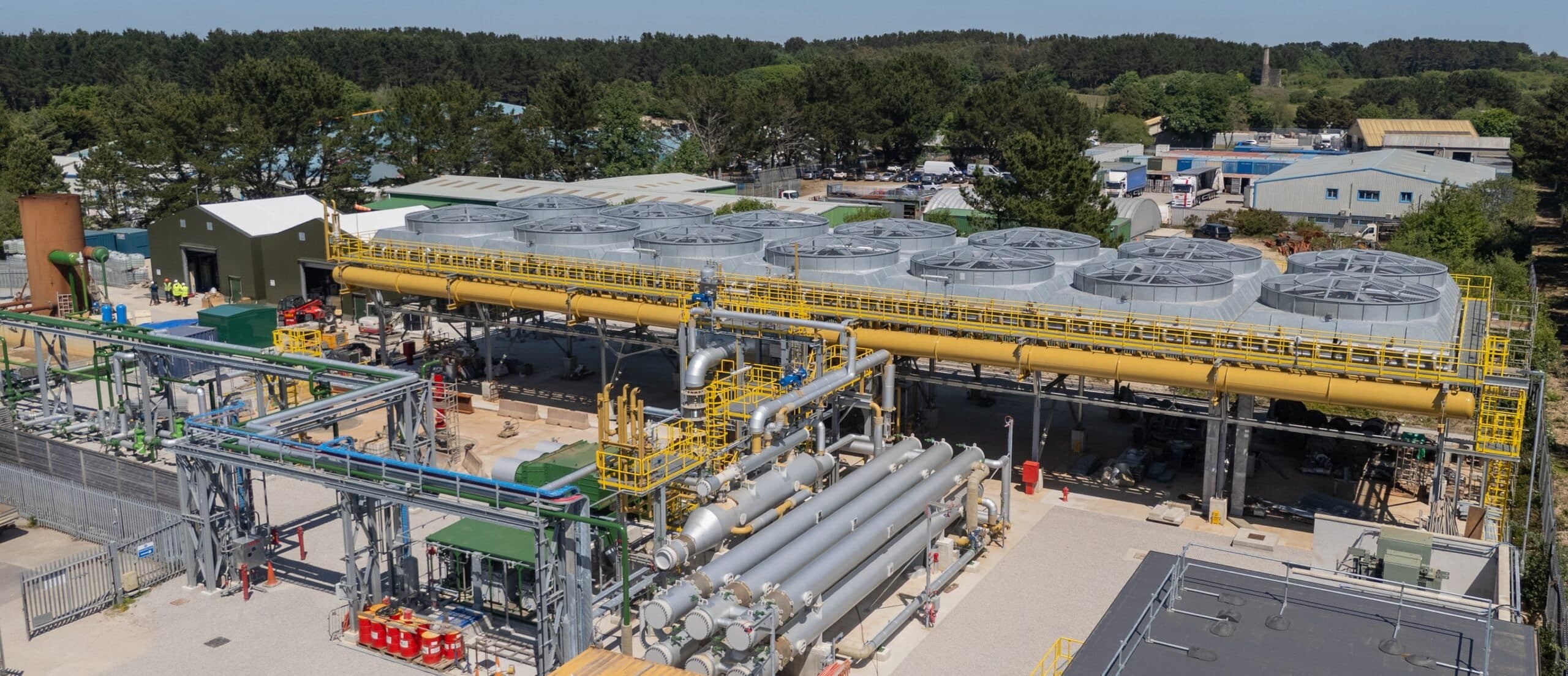
This “double-first” provides both clean energy for 10,000 homes and a critical domestic supply of lithium for the UK’s electric vehicle industry, demonstrating a sustainable model for unlocking the vast thermal energy stored beneath the feet of the nation.
Sources: Business Cornwall, Renewable Energy Magazine
7. HIV Treatment Victory: The Single Tablet
On February 25th results from the ARTISTRY-1 Phase 3 trial published in The Lancet revealed a major simplification in HIV care. The study demonstrated that a new single-tablet daily regimen (combining bictegravir and lenacapavir) is highly effective at maintaining viral suppression, even in patients with complex treatment histories and drug resistance.
For long-term survivors who previously had to take up to 11 pills a day, this “one-and-done” pill offers equivalent efficacy with fewer metabolic side effects.
This breakthrough significantly reduces “pill fatigue” and the long-term chemical burden on the body, representing a life-changing advancement for those living with chronic HIV who have struggled with traditional, multi-pill regimens.
Sources: Queen Mary University, Gilead Sciences
8. France Enforces the PFAS Ban
As of February 2026, France has officially entered the active enforcement phase of its world-leading ban on PFAS (”forever chemicals”) in consumer goods. Under legislation that took effect at the start of the year, French authorities began market surveillance this month to ensure cosmetics, clothing, and textiles are free from these toxic, non-degradable substances.

The law prohibits the manufacture, import, and sale of products containing PFAS, which are linked to serious health risks including cancer and immune disruption.
While the rest of the EU continues to debate timelines, France’s immediate enforcement is forcing global brands to reformulate their products, accelerating the global transition toward safer, PFAS-free alternatives in the fashion and beauty industries.
Sources: SGS News, Safe Food Advocacy Europe
9. Stanford’s Universal Nasal Shield
On February 19th scientists at Stanford Medicine published a study in Science detailing a revolutionary “universal” nasal vaccine. Unlike traditional vaccines that target specific viral strains, this nasal spray supercharges the lungs’ innate immune defenses, putting them on “amber alert” for several months.
In preclinical trials, a single dose provided broad protection against a wide array of respiratory threats, including COVID-19 variants, diverse flu strains, and bacterial pneumonia, while also reducing allergic reactions to dust mites.
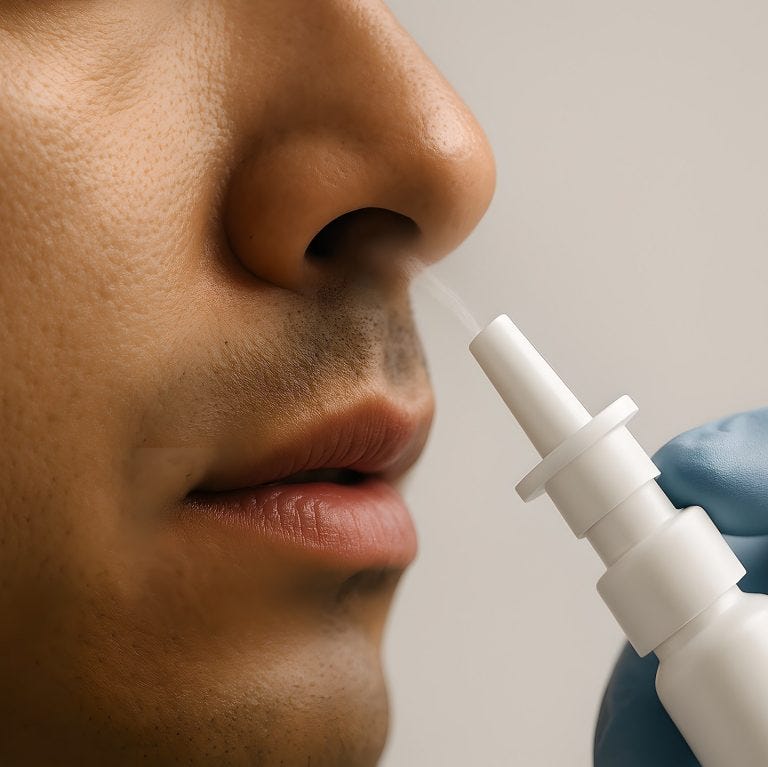
By creating a high-alert shield at the point of entry, this technology could prevent future pandemics before they start and offers a simple, needle-free method to protect global populations from evolving biological threats.
Sources: Science Daily, Stanford Medicine
10. Wearable Hope: FDA Approves Optune Pax
On February 11th the FDA granted approval for Optune Pax, a wearable medical device that uses “Tumor Treating Fields” (TTFields) to treat locally advanced pancreatic cancer. This marks the first new treatment for the disease in nearly 30 years.
The device delivers low-intensity electric fields through adhesive patches on the abdomen, disrupting cancer cell division without the toxic systemic side effects of chemotherapy.
Phase III clinical trial results showed that patients using Optune Pax alongside standard chemotherapy experienced a statistically significant improvement in overall survival and a 6.1-month extension in time to pain progression.
This non-invasive, biophysical approach provides a critical new tool for one of the most difficult-to-treat forms of cancer, significantly improving patient quality of life.
Thanks for the positive headlines - keep up the good work!