


10 Good Things is our monthly counterpoint to some of the less uplifting reality that faces us in the daily news cycle
1. Astrophysics | Spectroscopic Data Verifies Atmosphere on Habitable-Zone Exoplanet
Astronomers analysing spectrographic data from the WINERED spectrograph at the Magellan Observatory confirmed escaping helium gas around LHS 1140 b, a temperate rocky exoplanet orbiting a red dwarf star 48 light-years away.
The landmark discovery marks the first time an atmosphere has been verified surrounding a terrestrial planet located directly within its star's habitable zone.

LHS 1140 b is less dense than Earth, pointing to a water-rich planetary composition shielded by a cold-trap atmosphere capable of preserving a surface liquid ocean.
The empirical finding firmly establishes temperate red-dwarf exoplanets as high-priority targets in the ongoing scientific search for atmospheric biosignatures outside our solar system.
Sources: Science Daily, Earthsky
2. Public Health | Multi-Country Trial Validates Single-Dose HPV Vaccine Efficacy
On August 8, 2026, results from an international clinical trial led by the World Health Organisation confirmed that a single-dose HPV vaccine protocol provides long-term protection against cervical cancer equivalent to the traditional multi-dose regimen.
Tracking thousands of young women over five years across low and middle-income nations, researchers documented sustained antibody responses alongside exceptionally high efficacy against high-risk oncogenic viral strains.

This pivotal clinical validation enables public health agencies in under-resourced regions to double their national immunization coverage using existing vaccine stockpiles immediately, significantly accelerating global public health efforts to eliminate cervical cancer as a major killer within a generation.
Sources: NIH, Gavi
3. Clean Technology | Corrosion-Resistant Super Steel Lowers Green Hydrogen Costs
On August 11, 2026, materials scientists at the University of Hong Kong unveiled a breakthrough stainless steel alloy (SS-H2) specifically engineered to withstand intense seawater corrosion.
Green hydrogen production via commercial electrolysis traditionally currently relies on expensive, scarce titanium components to survive harsh, corrosive saltwater environments.

The newly synthesised super steel delivers mechanical and structural performance comparable to titanium at a small fraction of the raw material cost. By drastically reducing capital equipment manufacturing costs for marine electrolysers, this major engineering milestone removes a critical economic barrier, potentially enabling the rapid scaling of global green hydrogen production directly from ocean water worldwide.
Sources: Science Daily, HKU
4. Grid Modernisation | Australia Hits Record Rooftop Solar and Battery Expansion
On August 28, 2026, Australia’s Clean Energy Regulator reported unprecedented growth in distributed clean energy generation, with one full gigawatt of rooftop solar capacity installed across the nation in a single quarter.

Driven by falling domestic battery costs and expanded government rebate programs, over 500,000 Australian households have now integrated home energy storage systems alongside solar arrays.
Additionally, large-scale commercial solar investment reached a record 1.8 gigawatts nationwide. Expanding public support schemes to mid-scale commercial installations helps local businesses, agricultural producers, and community facilities generate on-site clean power, effectively reducing reliance on fossil fuels while driving down retail energy costs across the national grid.
Sources: Aust. Clean Energy Regulator, Australian Govt
5. Public Health | Intensive Blood-Pressure Control Cuts Dementia Risk
On August 30, 2026, researchers presenting at the ESC Congress unveiled major findings from the China Rural Hypertension Control Program involving 33,995 total participants.

The comprehensive seven year trial demonstrated that intensive blood pressure management delivered directly by trained community health workers reduced all cause dementia by 15% and general cognitive impairment by 13% compared to standard care.
By decentralizing healthcare delivery and utilising localized community staff to manage chronic hypertension effectively, this low-cost public health initiative provides a practical, scalable blueprint for preventing age related cognitive decline and protecting long term brain health across under resourced, rural populations on a global scale.
Sources: European Society of Cardiology, Eureka Alert
6. Indigenous Conservation | Māori Co-Managed Marine Reserves Protect Coastlines
In August 2026, New Zealand officially designated five new marine reserves spanning 308 square kilometers of protected waters along the Otago coastline.
Managed under an innovative joint decision making model between the Department of Conservation and local Māori leadership, the coastal network directly combines indigenous ecological knowledge (kaitiakitanga) with statutory government enforcement.
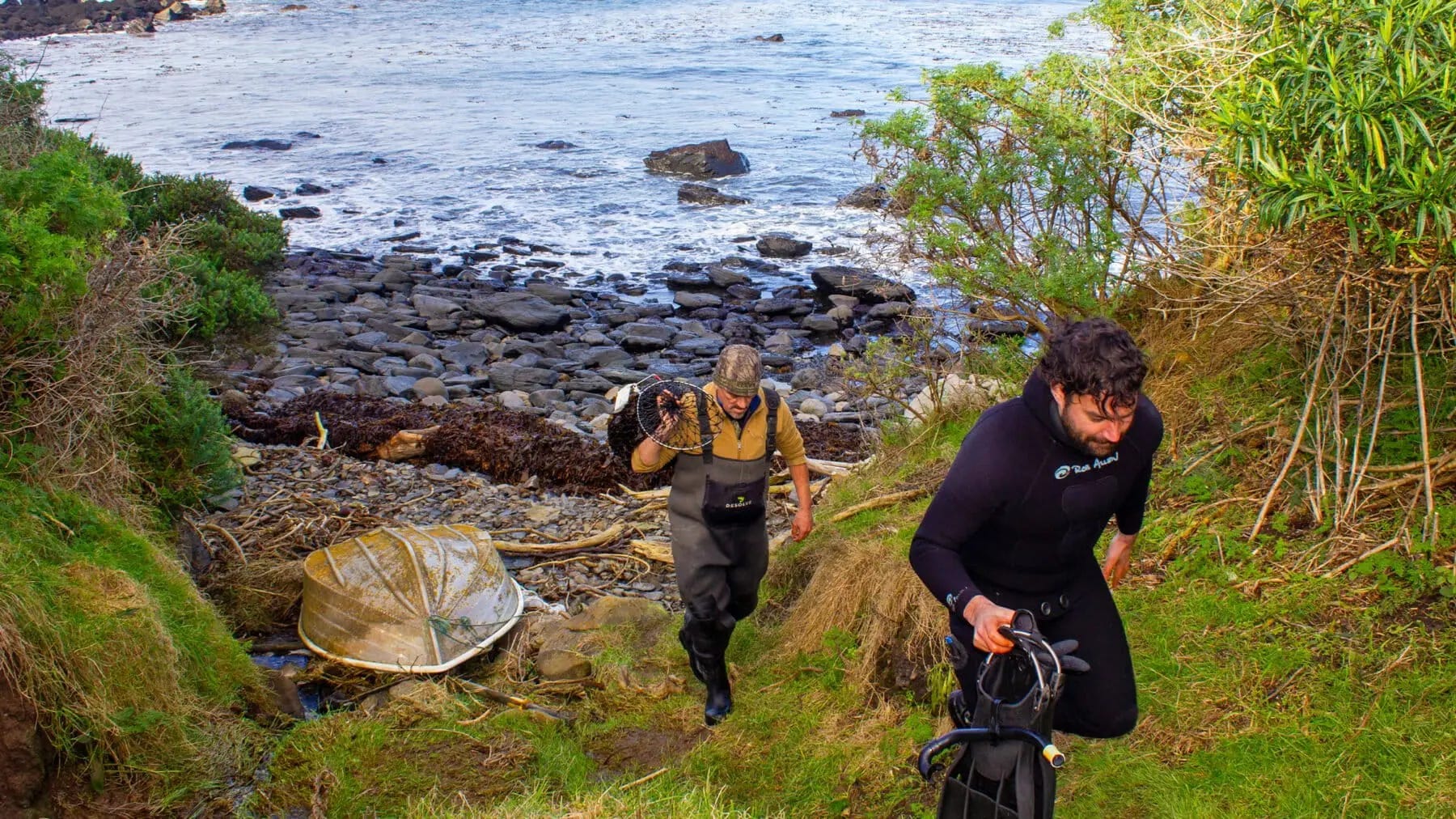
Dedicated ranger teams actively safeguard regional fisheries, protect vital giant kelp forests, and monitor critical nesting habitats for threatened yellow eyed penguins and royal albatrosses.
The collaborative governance model successfully establishes an inclusive, highly practical blueprint for future state-indigenous partnerships in marine biodiversity conservation and coastal ecosystem management.
Sources: Happy Eco News, Times of India
7. Medical Research | Personalised mRNA Vaccine Shows Success in Phase 3 Trial
On August 19, 2026, clinical researchers published positive Phase 3 trial results for an individualised mRNA cancer vaccine, intismeran, administered alongside standard Keytruda immunotherapy for high-risk melanoma patients.

By sequencing and targeting up to 34 patient specific tumour mutations, the custom therapy trains host T-cells to identify, track down, and eliminate residual micro-metastatic cancer cells throughout the body.
The late stage trial successfully met its primary clinical endpoint, demonstrating a statistically significant reduction in overall disease recurrence following surgery. The published readout marks a historic milestone for personalised oncology, proving the clinical viability of custom neoantigen mRNA cancer treatments in human populations
Sources: Aim at Melanoma, Melanoma Focus
8. Urban Resilience | Floating Wetlands Cut Wastewater Emissions by 40%
On August 31, 2026, environmental engineers in Australia published operational performance data demonstrating that floating wetland gardens planted over municipal wastewater lagoons reduced overall greenhouse gas emissions by nearly 40%.
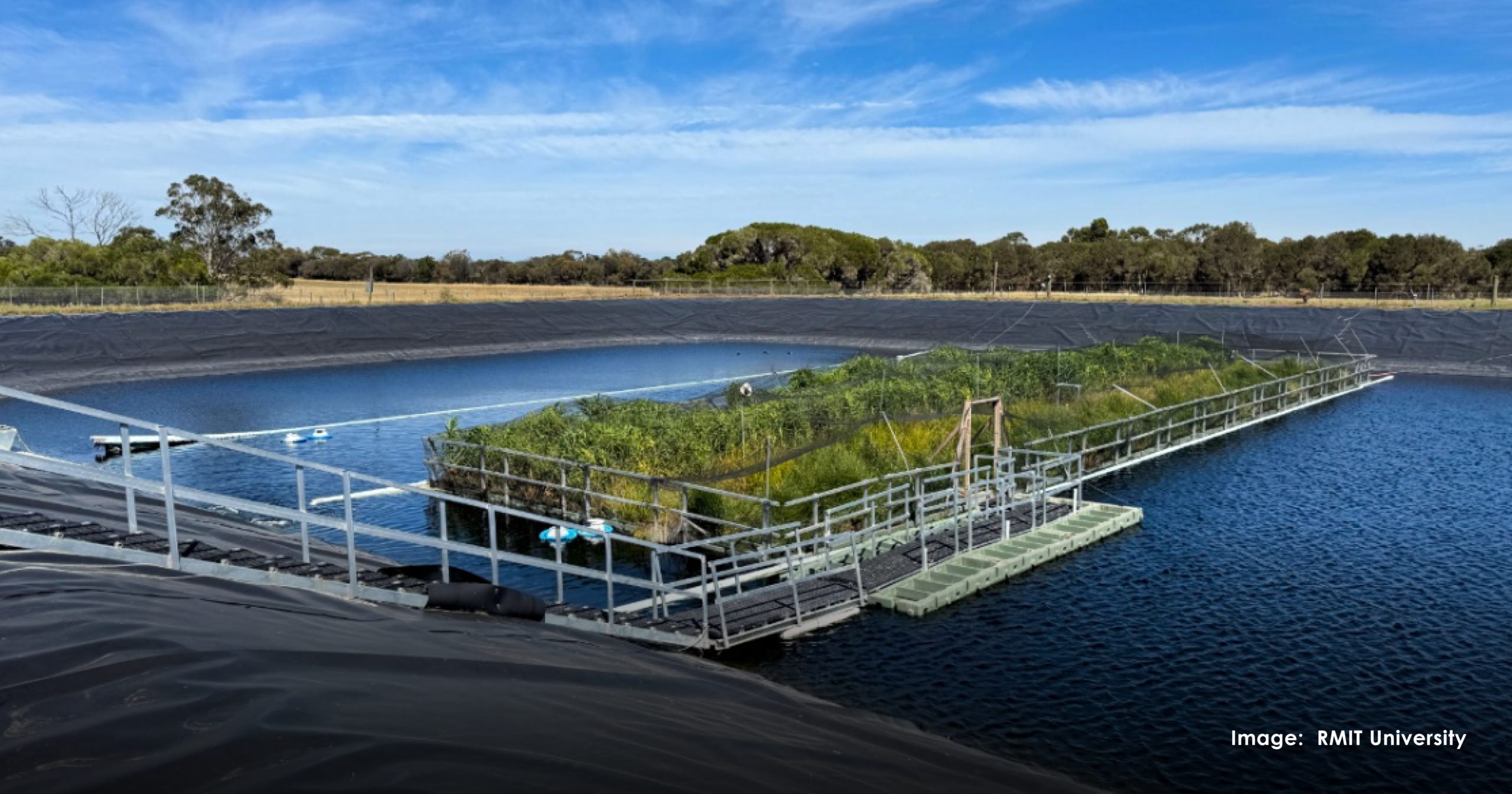
These modular floating installations utilise specialised native aquatic plants whose dense root systems absorb surplus organic nutrients, suppress methane producing anaerobic bacteria and filter heavy metals from the water column without requiring artificial chemical additives.
Beyond purifying regional water discharges, the floating vegetation provides critical breeding habitat for local waterfowl and aquatic insects, delivering an affordable, nature based infrastructure solution for suburban wastewater management and urban climate resilience globally.
Sources: AWA, The Good News Movement
9. Humanitarian Health | Mobile Medical Clinics Reach Remote Communities in Ethiopia
On August 28, 2026, Médecins Sans Frontières published its first operational review for a new rural health initiative operating across Ethiopia’s West Wollega zone.
Deploying mobile medical teams directly to isolated rural villages, the humanitarian program provided essential primary care to 4,243 patients and supported 137 safe hospital deliveries in its opening month alone.
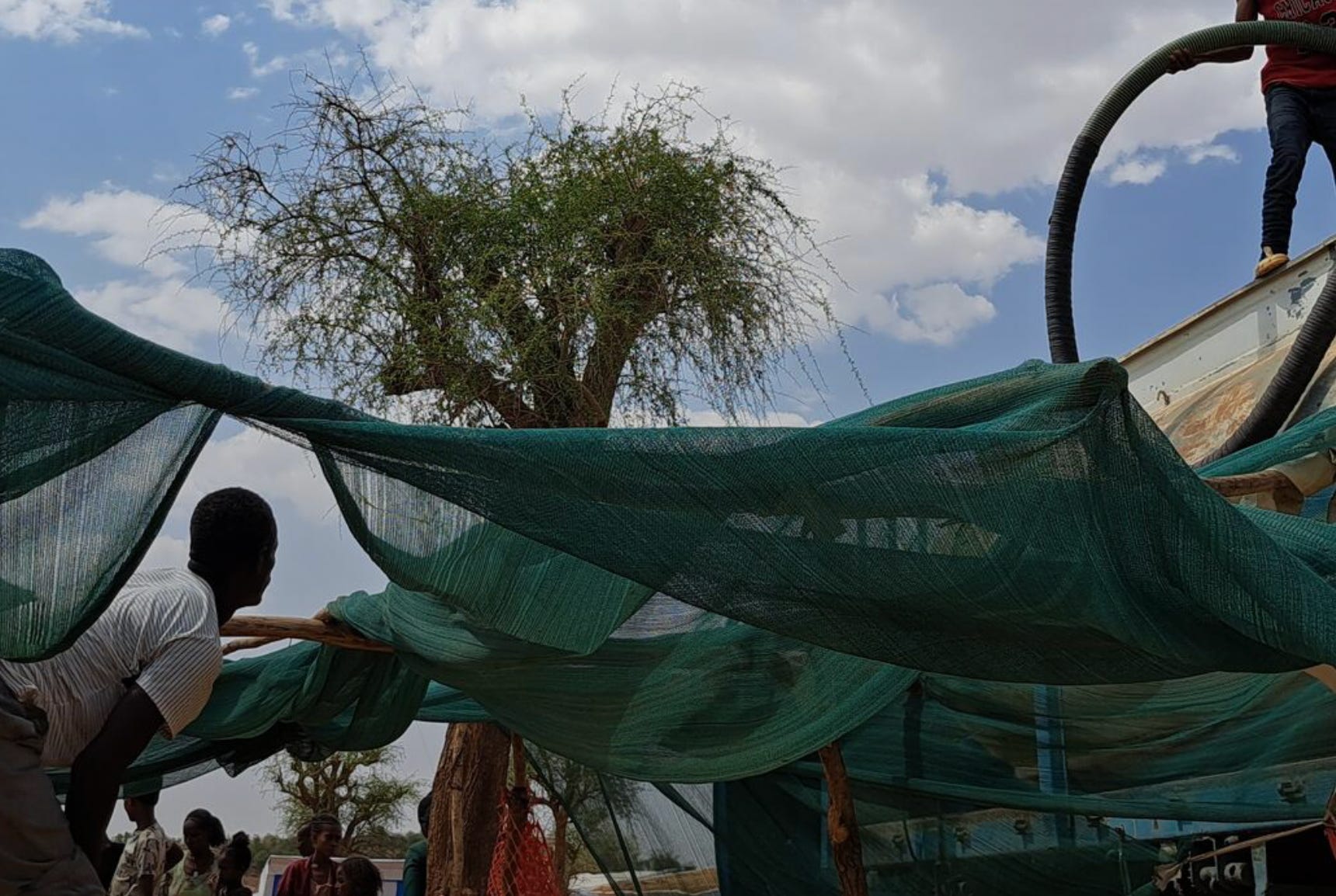
By delivering essential medicines, maternal health checks, and pediatric vaccinations straight to hard to reach communities previously cut off by regional conflict and geography, the initiative drastically reduced local infant and maternal mortality risks while establishing a sustainable, repeatable template for mobile healthcare delivery across remote under resourced regions.
Sources: MSF, Leaves of Dawn
10. Rewilding | European Rivers Reconnected as 500 Obsolete Dams Removed
On August 22, 2026, the Dam Removal Europe coalition reported that over 500 obsolete dams, weirs, and locks were successfully dismantled across European waterways over the past year.
Led by active river restoration projects across Spain, France, and Sweden, removing these unused agricultural barriers successfully reconnected over 2,500 kilometers of free-flowing natural river channels.

Ongoing environmental monitoring confirmed the remarkably rapid return of endangered migratory fish species, including native Atlantic salmon and sea trout, to historic headwater spawning grounds that had been completely blocked by concrete structures for over a century, marking a major triumph for continental freshwater ecosystem restoration.