


10 Good Things is our monthly counterpoint to some of the less uplifting reality that faces us in the daily news cycle
1. Climate: The “Green Jacket” Watershed Success
The United Nations Environment Programme (UNEP) released a pivotal update on April 14, 2026, confirming the success of the “Green Jacket” initiative in the Comoros. Between 2017 and early 2026, local communities successfully replanted 1.4 million trees, effectively restoring 1,300 hectares of critical forest.
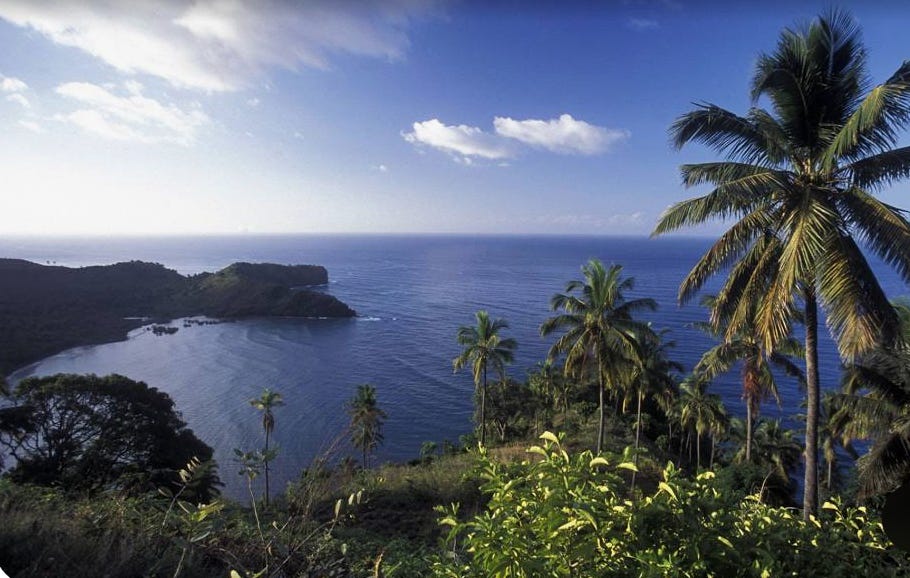
This “natural infrastructure” has replenished over 500 dry watersheds, securing freshwater access for 38,000 residents on Anjouan island. By repairing the “mountain sponge,” the project has stabilized rainfall patterns and created a robust biological defense against tropical cyclones. This model is now being studied as a scalable blueprint for climate-vulnerable island nations globally, proving that ecological restoration directly yields humanitarian security and economic stability.
Sources: UNEP, UN Media
2. Nature: Southern Bell Frog Recovery
The Australian Department of Climate Change, Energy, the Environment and Water (DCCEEW) reported on April 10, 2026, that targeted “environmental water” flows triggered a record breeding season for the endangered Southern Bell Frog. Following a successful spring-summer program, authorities delivered 300 megalitres of water per day to the lower Murrumbidgee wetlands to maintain critical refuge habitat during the autumn drying cycle.
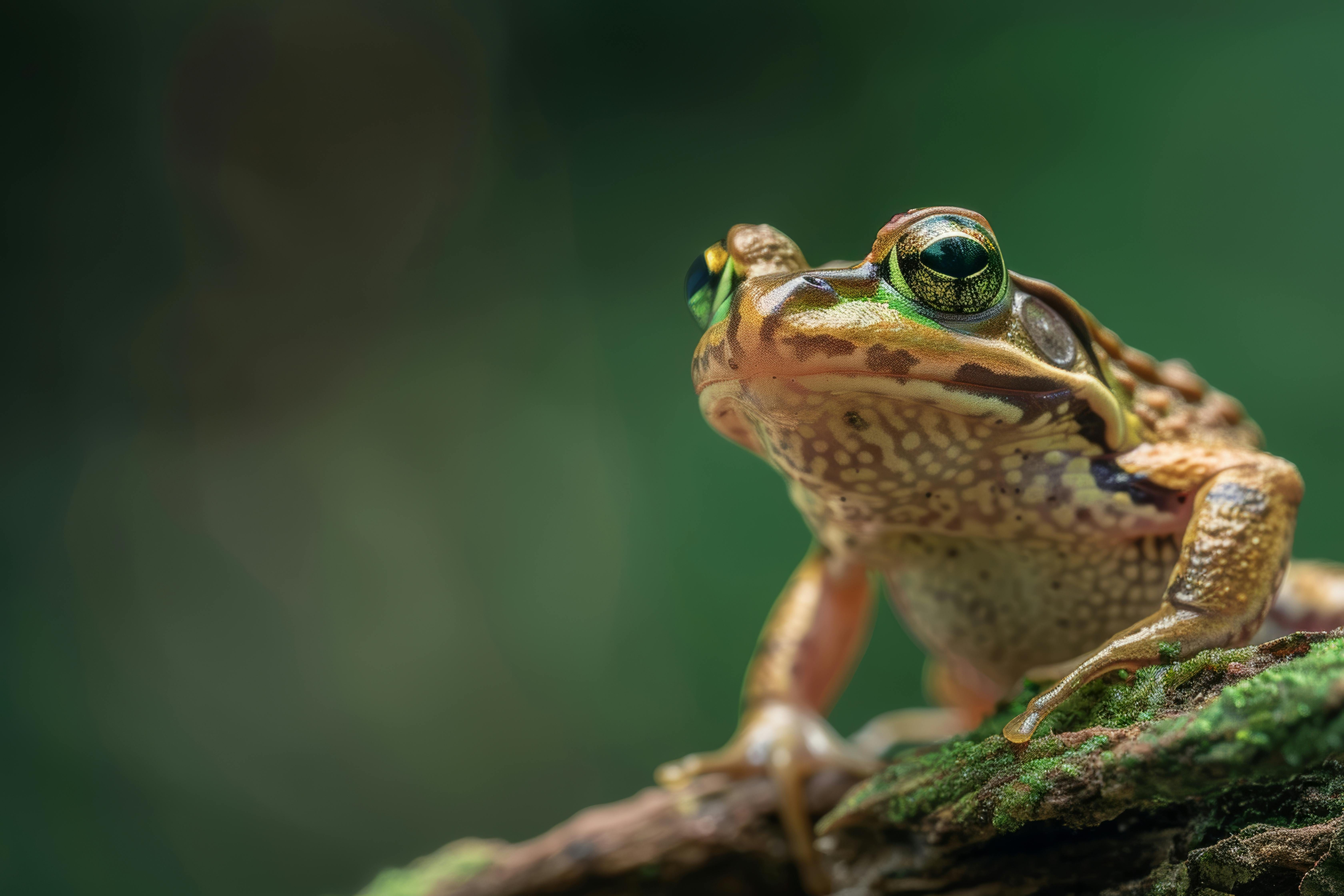
Monitoring surveys by the Flow-MER program confirmed the presence of over 1,200 tadpoles undergoing metamorphosis in the Murrundi Swamp. This strategic intervention ensures that juvenile frogs survive the winter to become the next generation of breeders.
The project highlights how precision water management can effectively reverse the decline of threatened amphibians in increasingly arid climates.
Sources: Australian Government, Flow Mer
3. Transport: Norway’s “Flying” Electric Ferry Fleet
On April 10, 2026, Norwegian maritime operator Boreal AS finalized a landmark order for 20 Swedish Candela P-12 electric hydrofoil ferries. These innovative vessels utilize computer-guided carbon-fiber wings to lift the hull above the water at high speeds, reducing drag and cutting energy consumption by a significant 80%.
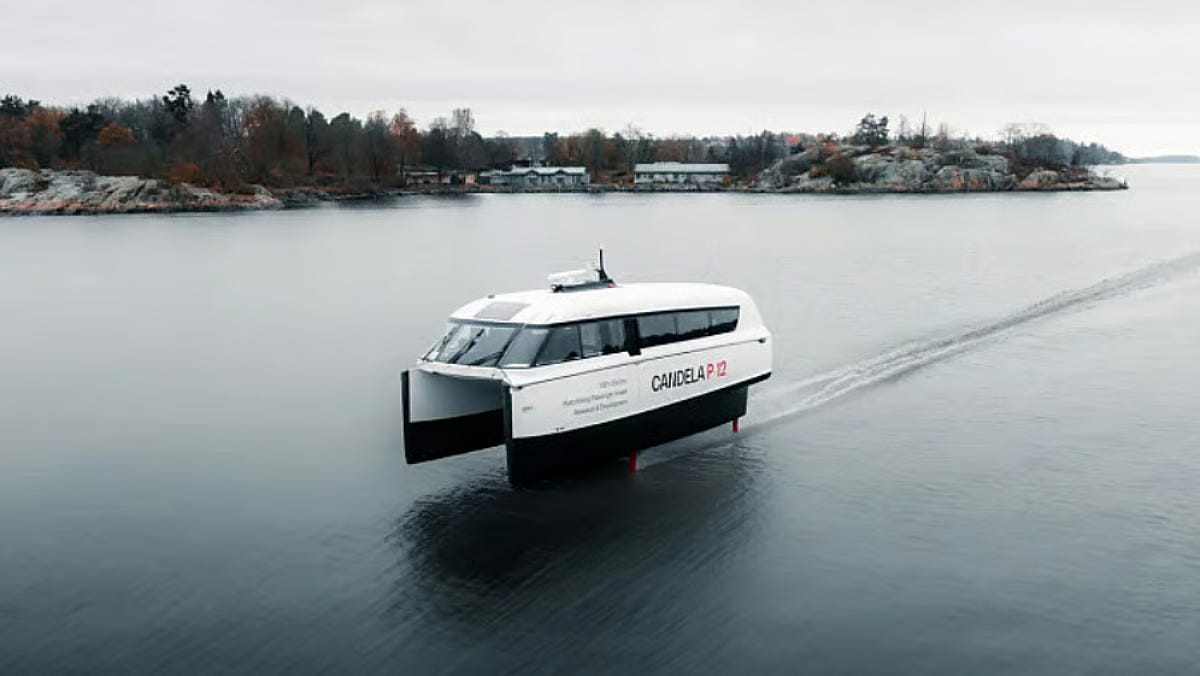
This order represents the world’s largest commitment to an electric high-speed passenger fleet, enabling zero-emission transit across Norway’s coastal fjords. The technology allows for 25-knot cruising speeds with a 40-nautical-mile range, effectively replacing diesel-guzzling predecessors.
By eliminating the wake that damages shorelines and reducing operating costs by 90%, Boreal is setting a new international standard for sustainable, efficient, and quiet maritime transportation.
Sources: Ferry Shipping News, Baird Maritime
4. Health: NHS Galleri Cancer Trial Milestone
GRAIL announced on April 21, 2026, that it will present primary results from the 142,000-participant NHS-Galleri trial at the upcoming ASCO meeting. This multi-cancer early detection (MCED) blood test identifies signals from over 50 cancer types by detecting tumor DNA fragments in the bloodstream. Preliminary data confirms the test’s high accuracy in pinpointing the location of the cancer, often before physical symptoms manifest.
The trial’s findings are expected to show a significant reduction in late-stage diagnoses, shifting the oncology landscape toward more treatable early interventions.
If fully integrated into standard NHS screening protocols, the technology could save thousands of lives annually by making early detection a routine part of population-level preventative healthcare.
Sources: Grail Investor Release, NHS
5. Biotech: NIH-Funded “Miniature” CRISPR Breakthrough
On April 13, 2026, the NIH announced that researchers at UT Austin engineered a “miniature” CRISPR enzyme named Al3Cas12f. Unlike traditional CRISPR tools, which are often too bulky for effective delivery, this “shrunk” molecule is small enough to fit into standard adeno-associated virus (AAV) vectors.
This allows for direct, in-vivo gene editing, enabling treatments for complex diseases like ALS, cancer, and atherosclerosis to be delivered precisely into a patient’s cells. The engineered variant, Al3Cas12f RKK, demonstrated an editing efficiency increase from less than 10% to over 80% in human cell trials.
This breakthrough bridges the gap between lab-based genetic discovery and scalable, non-invasive clinical therapies for previously untreatable genetic conditions.
Sources: NIH, Eurekalert
Restacking or sharing this publication means more people can read it. Commenting extends the conversation. Liking shows your appreciation.
6. Food Tech: “Omega Origins” Sustainable Algal Oil
Fermentalg officially launched its OMEGA ΩRIGINS™ product line on April 14, 2026, introducing the most naturally concentrated algal oil on the market. Utilizing a patented fermentation process, the oil achieves a record-breaking 40% EPA and 20% DHA concentration without the need for additional chemical concentration steps.

This innovation provides a direct, high-potency vegan alternative to traditional fish oil. One ton of this algal oil effectively replaces the need to harvest 44 tons of wild anchovies, addressing the critical global overfishing crisis.
By providing a scalable source of essential fatty acids for dietary supplements and pet nutrition, the product supports the “One Health” principle, benefiting human well-being while significantly reducing the ecological pressure on marine ecosystems worldwide.
Sources: Fermentalg, Actifs Connect
7. Conservation: AI-Driven Coral Seeding (AIMS)
The Australian Institute of Marine Science (AIMS) provided a significant update on its “ReefSeed” project in April 2026. This technology uses portable, containerized aquaculture systems and AI-driven robotics to mass-produce millions of coral larvae. The project recently successfully tested these methods in the Caribbean, combining high-tech Australian robotics with international restoration efforts.

By automating the settling of coral polyps onto specialized devices, researchers can restore damaged reefs at a scale and speed that manual diving could never achieve.
This global technology transfer provides a critical lifeline for tropical reef ecosystems currently facing unprecedented mortality rates due to rising sea temperatures. The system ensures genetic diversity is maintained by harvesting wild spawn to boost long-term reef resilience.
Sources: AIMS, AIMS
8. Energy: Thailand’s Floating Solar Expansion
In April 2026, the Electricity Generating Authority of Thailand (EGAT) confirmed that its hydro-floating solar hybrid model is now serving as a global blueprint for renewable energy infrastructure. By placing solar panels on existing hydropower reservoirs, Thailand has created a hybrid system that generates solar power during the day while reserving hydropower for peak nighttime demand.
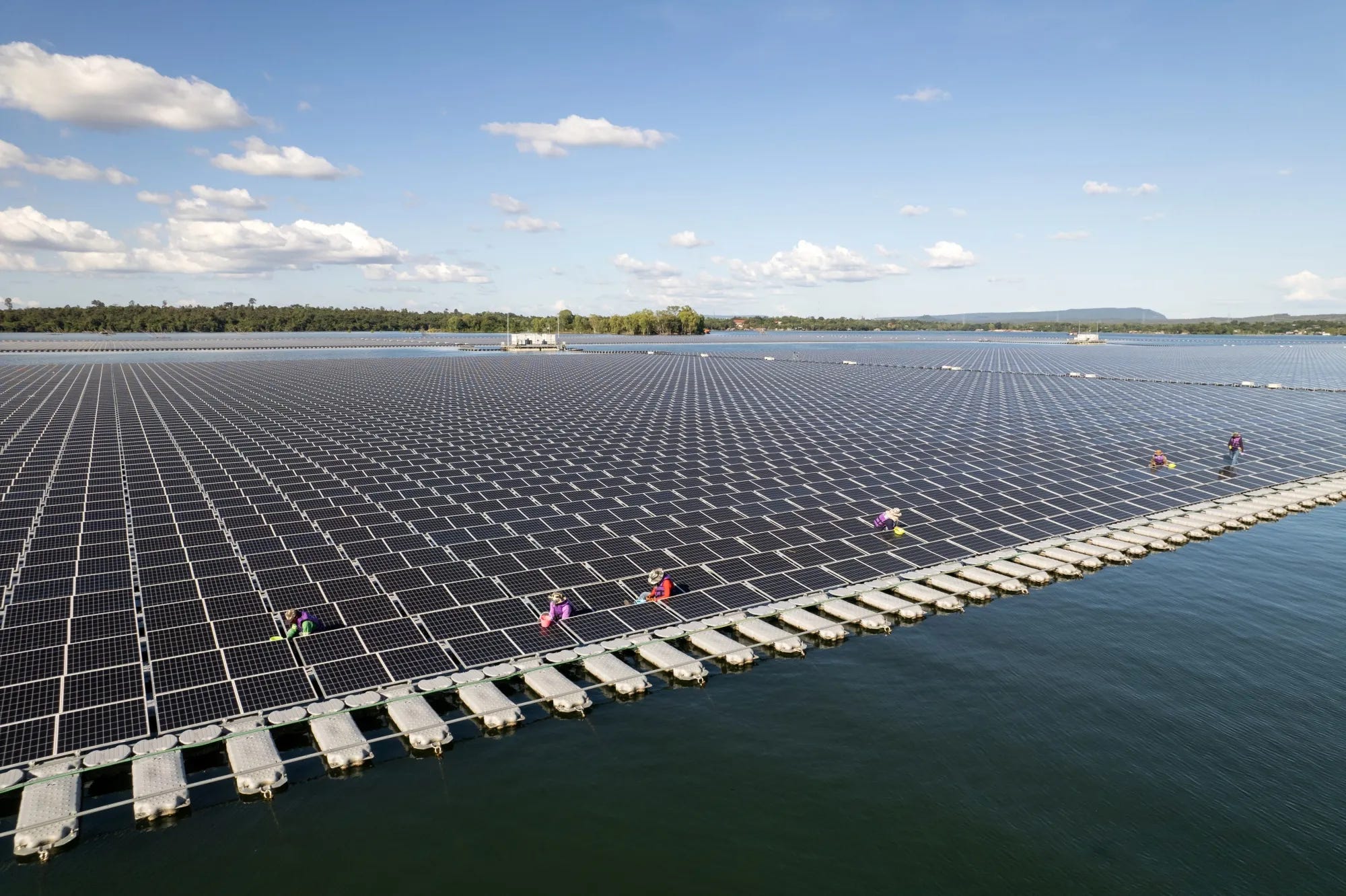
This dual-use approach reduces water evaporation and eliminates the need for land clearing. EGAT recently exported this technical expertise to assist in stabilizing energy grids in Nepal, demonstrating the model’s international scalability. With a target of 2.7 GW of capacity across nine dams by 2037, Thailand’s innovative strategy successfully balances energy security with environmental preservation in a cost-competitive manner.
Sources: Energy Storage News, SCRIBID
9. Housing: Paris Olympic Village Legacy Handover
In April 2026, the “Les Quinconces” district of the Paris Olympic Village reached its final handover milestone following an 18-month “reversibility” conversion phase. This 46-hectare site has transitioned from athlete quarters into a permanent urban neighborhood featuring 652 low-carbon social homes. Developed by the Icade-led consortium, the reconstruction involved installing 2,800 permanent kitchens and removing temporary partitions to create housing for 6,000 residents.

The project utilized 16,000 cubic meters of eco-managed wood and is designed to withstand 2050 climatic projections. This handover marks the successful fulfillment of the Games’ legacy promise: converting a high-intensity event space into a low-carbon district focused on social housing for the Saint-Ouen and Saint-Denis communities.
Sources: Ouvrages Olympiques, Icade
10. Medical: Targeted Joint Cartilage Regeneration
In April 2026, research updates confirmed the efficacy of a localized treatment that reverses age-related cartilage loss. By inhibiting the protein 15-PGDH—a master regulator of aging—scientists triggered human chondrocyte cells to regenerate functional cartilage tissue in clinical samples.
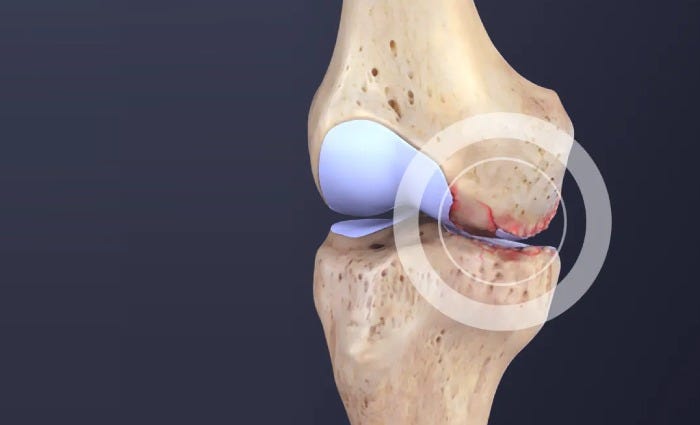
This shift represents a move away from simple pain management toward biological restoration for osteoarthritis, a disease affecting one in five adults. The treatment, which can be delivered via local injection, has shown dramatic regeneration beyond any previous pharmacological intervention.
By addressing the root cause of tissue degradation, this medical breakthrough could soon eliminate the need for millions of invasive hip and knee replacement surgeries worldwide, potentially offering a biological cure for mobility-limiting joint diseases.
Sources: Science Alert, Stanford University
Restack this post to help it reach more readers interested in the world.
99.9% of all the fish died floating on top the lake all summer, the smell was terrible. It was because a factory dumped their pollution in Lake Michigan.
Prior to the pollution, there were so many fish, when you walked in the water the fish swarmed around your legs
Prior to the pollution, the waterfalls connected to Lake Michigan were so full of fish, that people took little nets and caught fish filling their nets within a couple minutes.
Prior to the pollution there were millions of Monarch Butterflies cacoons in spring in the meadow next to the Lake Michigan, you had to tip-toe otherwise you'd crush the cacoons.
Prior to pollution, there were ladybugs, honey bees, wild strawberries....and so forth…..
Just this one big dump of pollution, destroyed the environment.
The University nearby, got raft-like floating boats with machines, to clean the water.
But, unfortunately all they did was scoop up all the dead fish that smelled bad a mile or two away.
We all thought the fish would come back.
The fish never came back.